What Is a Compact Over-the-Range Microwave?
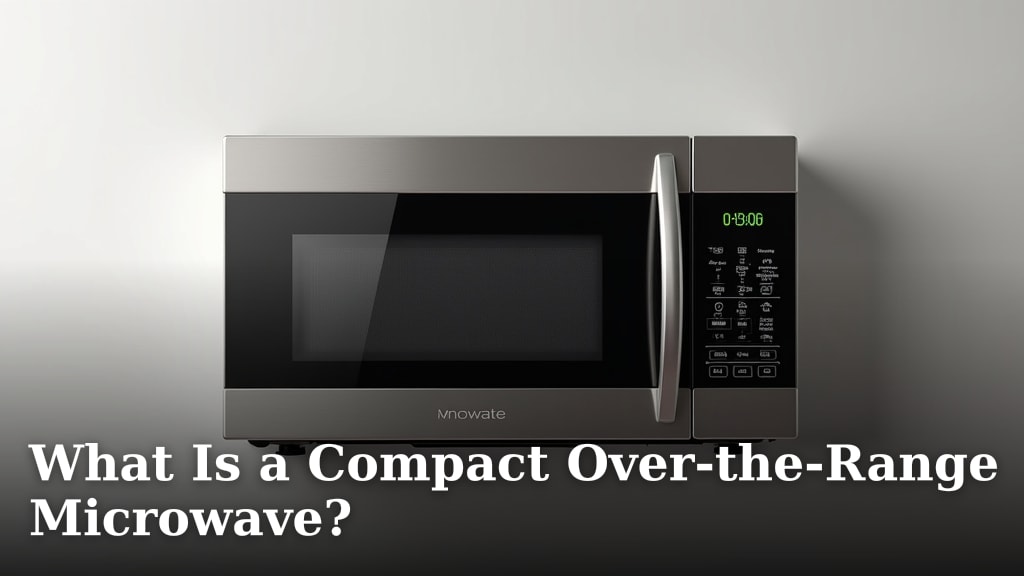
A compact over-the-range microwave is a kitchen appliance that combines a microwave oven with a ventilation system. It’s designed to be mounted above your stovetop. This saves valuable counter space and helps remove cooking odors and smoke from your kitchen.
These units are a smart choice for smaller kitchens or anyone looking to maximize their kitchen’s layout. They offer the convenience of a microwave along with the functionality of a range hood. Many models also include features like built-in lighting for your stovetop below. You get two appliances in one convenient package.
- It’s a microwave and vent hood combined.
- Mounts above your stove.
- Saves counter and kitchen space.
- Removes cooking odors and smoke.
- Often includes a stovetop light.
Let’s dive into what makes a compact over-the-range microwave a great addition to your kitchen and what to consider when choosing one.
Understanding the Compact Over-the-Range Microwave
So, what exactly is a compact over-the-range microwave? Think of it as a kitchen superhero. It’s a microwave oven and a ventilation system rolled into one convenient appliance. It’s specifically designed to hang above your stovetop. This clever design means it doesn’t take up precious counter space. It also helps keep your kitchen air fresh by clearing out cooking smells and smoke.
For folks with smaller kitchens, these microwaves are a real space-saver. They’re a smart way to get a microwave and a range hood without needing separate units. You get the best of both worlds. Many also come with a built-in light to illuminate your cooking surface below. It’s like getting two essential kitchen tools in one neat package.
Key Benefits of a Compact Over-the-Range Microwave
Why might a compact over-the-range microwave be the right choice for your kitchen? Let’s look at the main advantages.
Space-Saving Design
The biggest perk is certainly the space efficiency. Countertops can get crowded quickly with appliances, ingredients, and everyday items. By mounting the microwave overhead, you free up valuable real estate. This is a huge win for smaller kitchens, efficiency apartments, or any home where you want a more open feel. You can finally put that toaster back on the counter!
Ventilation Powerhouse
Beyond just reheating leftovers, these units act as range hoods. They have built-in fans that pull cooking fumes, smoke, and odors right out of your kitchen. This keeps your living space smelling fresh and clean, especially after frying or cooking strong-smelling foods. Some models offer ducted ventilation, which exhausts air outside your home. Others are ductless, recirculating air through charcoal filters to clean it before releasing it back into the room.
Added Convenience Features
Many compact over-the-range microwaves offer more than just basic heating. You’ll often find helpful features like an integrated stovetop light. This little light is surprisingly useful for seeing what’s cooking on your burners at night or in dim lighting. Some models also include multiple fan speeds for the vent and dishwasher-safe filters for easy cleaning. You’re getting a multi-functional appliance.
Understanding Compact Microwave Sizes and Dimensions
When we say “compact,” what does that really mean in terms of size? It’s important to know that these units are generally smaller than standard microwaves. However, “compact” can still vary.
Typical Widths
Most compact over-the-range microwaves measure around 24 inches wide. This is narrower than the standard 30-inch width you might see in larger models. Always measure the space above your stove carefully. You want to ensure a proper fit, both for aesthetics and safety. A tight fit is good; too tight and you won’t be able to install it. Too loose, and it might look awkward.
Depth and Height Considerations
The depth is also a key factor. These microwaves typically extend about 15-17 inches from the wall. This is usually enough to clear the handles of most standard stovetops. The height is typically around 15-17 inches as well, fitting neatly into standard cabinetry above the range. Always double-check the exact dimensions of the unit against your specific kitchen measurements before you buy.
What to Look for in a Compact Over-the-Range Microwave
Choosing the right compact over-the-range microwave involves considering a few key features. Think about how you’ll use it most.
Venting Options
Consider how your kitchen is set up for ventilation. Do you have an existing duct that goes outside? If so, a ducted (vented) model will work best. It offers the most effective removal of smoke and odors. If you can’t install ductwork, a ductless (recirculating) model is your alternative. These use charcoal filters to clean the air. Just remember, ductless systems require regular filter replacement for optimal performance.
Wattage and Cooking Power
Microwave power is measured in watts. For an over-the-range model, you’ll typically find options ranging from 700 to 1000 watts. Higher wattage generally means faster cooking and reheating. If you plan on using it for more than just popcorn, like cooking meals or defrosting, aim for a model with at least 900 watts. This will give you more flexibility in the kitchen.
Capacity and Interior Size
Even though it’s a “compact” model, the interior capacity can still vary. Look at the cubic feet measurement. For a compact unit, you might be looking at anywhere from 0.9 to 1.6 cubic feet. Think about the size of the dishes you typically use. Will a standard dinner plate fit comfortably? Can you fit a casserole dish? Check the turntable size too; a larger turntable can often accommodate larger or oddly shaped dishes better.
Ease of Cleaning
Let’s be honest, cleaning a microwave isn’t anyone’s favorite chore. Look for features that make it easier. Many models have interior surfaces designed for easy wiping, like ceramic or stainless steel. Removable, dishwasher-safe turntable plates are also a big plus. For the vent hood part, ensure the filters are easy to access and clean or replace.
Installation and Safety Considerations
Installing an over-the-range microwave is a bit more involved than just plugging it in. It requires securing it to the wall and cabinetry. This is often a two-person job, as these appliances can be heavy and awkward to handle.
Proper Mounting is Key
The microwave must be securely mounted to wall studs and overhead cabinets. This prevents it from falling, which could cause serious injury or damage. Most manufacturers provide detailed installation instructions. If you’re not comfortable with home installation or electrical work, it’s highly recommended to hire a qualified professional installer. They have the right tools and expertise to do the job safely and correctly.
Ventilation Ducting
If you’re installing a ducted model, proper alignment of the vent hood with your ductwork is essential. Any gaps can reduce the effectiveness of the ventilation and may even allow fumes to escape into your cabinetry. Make sure all connections are sealed tightly.
Electrical Requirements
Over-the-range microwaves need their own dedicated electrical circuit. Check the manufacturer’s specifications for the required amperage. Improper wiring can be a fire hazard. Again, a professional installer will ensure this is done according to code.
Common Questions About Compact Over-the-Range Microwaves
You might still have a few questions as you consider adding one to your kitchen. Here are some common ones we hear.
How often do I need to change the vent filters?
For ductless models, the charcoal filters need regular replacement. Many experts suggest every 3 to 6 months, depending on how often you cook. Check your owner’s manual for specific recommendations. Greaset filters, often found on ducted models, usually just need to be washed regularly. We found that washing them monthly keeps them working best.
Can I use a regular microwave instead of mounting one?
You could certainly place a countertop microwave on a shelf above your stove, but it won’t have the integrated ventilation system. This means you won’t get the benefit of removing cooking odors and smoke. You also lose the convenience of the built-in stovetop light. So, while possible, it’s not the same functionality as an over-the-range unit.
Here’s a quick checklist to help you decide:
- Measure your space carefully (width, height, depth).
- Decide if you need ducted or ductless ventilation.
- Consider the wattage needed for your cooking habits.
- Check the interior capacity and turntable size.
- Look for easy-to-clean surfaces and filters.
- Assess your comfort level with installation or budget for a professional.
Conclusion
You’ve learned that a compact over-the-range microwave is a clever appliance for any kitchen. It perfectly blends microwave convenience with essential ventilation. By mounting above your stove, it frees up counter space and keeps your air clean. When choosing one, remember to check the dimensions, venting options, and wattage to fit your needs. Proper installation is also key for safety and performance. Taking these steps ensures you get a functional and space-saving addition to your home. Now, measure your space and start looking for the model that’s just right for you!
Frequently Asked Questions
What is the standard height for installing an over-the-range microwave?
The standard installation height for an over-the-range microwave is typically between 54 to 60 inches from the floor to the bottom of the unit. This ensures enough clearance above your cooktop for safe cooking and easy access. Always consult your specific model’s manual for precise measurements and recommendations.
Can I install a ducted microwave if I currently have a ductless one?
Yes, you can often switch from a ductless to a ducted system, but it requires more work. You’ll need to have an exterior vent installed through a wall or your ceiling. If your kitchen doesn’t have existing ductwork, this can be a more involved and costly installation process.
How much cooking power (wattage) do I really need?
For most everyday tasks like reheating and defrosting, 700-800 watts is sufficient. If you plan to cook meals or use your microwave frequently for more demanding tasks, aim for 900-1000 watts. Higher wattage generally means faster and more even cooking results.
Are compact over-the-range microwaves good at removing smoke and odors?
Their effectiveness depends on the model and setup. Ducted models that vent outside are generally the most powerful for removing smoke and odors. Ductless models use filters to recirculate air, which is less effective but still helpful. Regular cleaning of filters is essential for any unit.
What does “compact” mean for over-the-range microwave dimensions?
Compact typically refers to units that are narrower than standard 30-inch models, often around 24 inches wide. While the width is reduced, the depth and height are usually similar to standard units to fit common cabinet spaces. Always check the exact product dimensions to ensure it fits your specific opening.