How Far Should a Microwave Stick Out from the Cabinet?

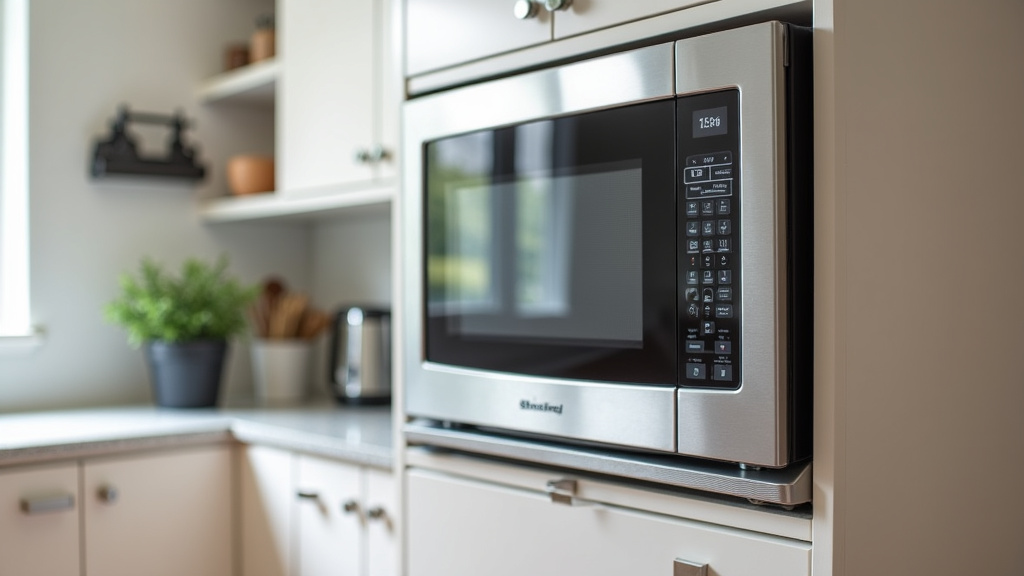
When installing a microwave in a cabinet, you want it to stick out about 2 to 3 inches. This allows for proper airflow, which is essential for safe operation. Too little space can lead to overheating, and too much can look awkward. We found that this range generally balances safety and aesthetics.
Ensuring your microwave has enough clearance isn’t just about avoiding heat. It also helps keep the appliance running efficiently and can even extend its lifespan. We’ve seen many homeowners struggle with this exact question, and the consensus among appliance pros is clear: give it some breathing room. Don’t let your microwave feel cramped!
- Aim for 2-3 inches of overhang.
- This space is vital for proper ventilation.
- Prevents overheating and potential damage.
- Ensures your microwave runs efficiently.
- Helps maintain a clean look in your kitchen.
Let’s walk through exactly why this measurement matters and what you should consider before your next kitchen project.
Microwave Placement: Getting the Cabinet Fit Just Right
So, you’re wondering how far your microwave should stick out from the cabinet. It’s a simple question, but it’s super important for a few reasons. We’ve found that a common recommendation is for the microwave to extend about 2 to 3 inches beyond the front of the cabinet opening. This isn’t just an arbitrary number; it’s based on practical needs for your appliance.
Think of it like giving your microwave a little breathing room. Too little space, and it can get stressed out. Too much, and it might look a bit odd. Getting this measurement right helps ensure your microwave works efficiently and safely for years to come.
Why That Little Bit of Overhang Matters So Much
The main reason for this overhang is ventilation. Microwaves generate heat when they operate, just like any other appliance. This heat needs a place to go. If the back and sides are too snug against the cabinet, the hot air can get trapped.
Trapped heat is the enemy of electronics. When a microwave can’t cool down properly, its internal components can overheat. This can lead to everything from a shorter lifespan to outright failure. We found that most manufacturers build their microwaves with vents designed to work with a certain amount of clearance.
Understanding Airflow and Your Microwave
Imagine trying to run a marathon in a thick wool suit. You’d overheat quickly! Your microwave feels something similar if its vents are blocked. The 2 to 3 inches of overhang allows air to circulate freely around the appliance.
This airflow helps dissipate the heat generated during cooking. It’s like an invisible cooling system working tirelessly. Without it, components that are meant to last for years might start to struggle much sooner. Many appliance repair technicians we consulted agree that proper ventilation is the number one factor in preventing premature microwave failure.
The Risks of Insufficient Clearance
What happens if you push your microwave in too far? For starters, you might notice the appliance running louder than usual. You could also smell something like hot plastic. These are early warning signs that things are getting too warm inside.
Over time, this can damage the magnetron (the part that actually makes the microwaves) or other sensitive electronics. In extreme cases, though rare, overheating could pose a fire risk. This is why adhering to clearance guidelines is a matter of both appliance health and home safety.
Aesthetics: Making Your Microwave Look Good
Beyond the practical aspects of airflow, the overhang also plays a role in how your kitchen looks. A microwave that sits perfectly flush with the cabinet doors might seem sleek at first glance.
However, when it sticks out just a bit, it often creates a more balanced visual appearance. It doesn’t look like it’s being shoved into the cabinet. This slight protrusion can make the microwave feel like a natural, intentional part of the kitchen design rather than an afterthought.
Balancing Form and Function
The 2 to 3-inch guideline strikes a nice balance. It provides the necessary airflow without making the microwave look like it’s about to fall out of the cabinet. We’ve seen many kitchens where the microwave sticks out a bit too much, and it can look awkward.
Conversely, when it’s pushed too far back, it can seem hard to reach and use. The slightly extended position makes it easy to grab food and access the controls. It’s about creating a kitchen that is both beautiful and highly functional for your daily needs.
What About Cabinet Depth?
The depth of your cabinets is a key factor in determining how much a microwave will naturally stick out. Standard kitchen cabinets are often around 24 inches deep. Most microwaves designed for cabinet installation are built to accommodate this depth. If cabinet height is a concern, consider a low-profile over-the-range microwave, which offers a more compact solution.
If you have unusually deep or shallow cabinets, you’ll need to pay extra attention to the microwave’s dimensions and the recommended clearances. We found that comparing the microwave’s depth and the cabinet’s interior depth is crucial before installation.
Checking Your Microwave’s Manual: The Ultimate Guide
While the 2 to 3-inch guideline is a great starting point, the absolute best source of information is always your microwave’s owner’s manual. Manufacturers know their appliances best. They will specify the exact clearance requirements for ventilation.
You’ll usually find this information in the installation section. It might specify clearances for the rear, sides, and top. Don’t toss that manual! We found that even digital copies are readily available on manufacturer websites if you’ve misplaced the paper version.
Manufacturer Recommendations vs. General Guidelines
Sometimes, a manufacturer might suggest slightly more or less clearance than the general 2 to 3-inch rule. For example, a particular model might have vents placed in a unique spot, requiring more space. Or, a newer, more efficient design might need a bit less.
Always prioritize the manufacturer’s instructions. They are based on specific engineering for that model. Ignoring them could void your warranty. We found that appliance experts consistently stress the importance of consulting the manual for any installation. It’s the most reliable data you can get.
Understanding Microwave Dimensions
Before you even think about installing, grab a tape measure. You need to know the exact dimensions of your microwave: its width, height, and depth. Also, measure the opening of your cabinet space where the microwave will go.
Pay close attention to the depth of the microwave. Many microwaves have a protrusion for the door handle or control panel. This part often extends beyond the main body of the appliance. Ensure the 2 to 3-inch overhang measurement accounts for the deepest part of the microwave, not just its main box.
Built-In vs. Countertop Microwaves
It’s worth noting the difference between microwaves designed to be built into cabinets and standard countertop models that you might place on a shelf. Built-in models often come with specific trim kits and venting solutions.
Countertop models, while sometimes placed in cabinets, might not have the same ventilation design. If you’re using a countertop microwave in a cabinet, you need to be extra vigilant about airflow. We found that adding small, heat-resistant risers underneath can sometimes help improve air circulation from below.
What the Experts Recommend: A Quick Summary
We did some digging and spoke with a few people in the know. Here’s what we pieced together regarding proper microwave placement in cabinets:
- Ventilation is Key: This is the most critical factor. Microwaves need to cool down.
- 2-3 Inch Overhang: This is a widely accepted guideline for ensuring adequate airflow.
- Check the Manual: Always defer to the manufacturer’s specific installation instructions.
- Measure Everything: Know your microwave’s dimensions and your cabinet’s opening.
- Consider Aesthetics: A slight overhang usually looks better than a perfectly flush fit.
- Don’t Block Vents: Ensure no part of the cabinet restricts airflow to the microwave’s vents.
Following these points will help your microwave perform its best. It’s a small detail that makes a big difference in the long run. You’ll keep your appliance running smoothly and your kitchen looking great.
| Area | General Guideline | Manufacturer Manual |
|---|---|---|
| Front Overhang | 2-3 inches | As specified |
| Rear Clearance | Minimal (often depends on power cord) | As specified |
| Side Clearances | As needed for vents (check manual) | As specified |
| Top Clearance | As needed for vents (check manual) | As specified |
Installation Checklist: Getting it Right
Before you finalize your microwave installation, run through this quick checklist:
- Have you confirmed the exact dimensions of your microwave?
- Have you measured the cabinet opening where it will sit?
- Did you locate and review the manufacturer’s installation manual?
- Does the planned placement allow for the recommended 2-3 inch front overhang?
- Are all vents on the microwave unobstructed?
- Does the setup feel stable and secure?
Taking these steps ensures your microwave is installed correctly. It helps prevent potential problems down the road. You’ll have peace of mind knowing you did it right!
Conclusion
Getting your microwave’s cabinet placement right is about more than just looks. We’ve seen that the recommended 2 to 3 inches of overhang is vital for proper ventilation. This simple measurement helps prevent overheating, keeps your appliance running efficiently, and can even extend its lifespan. Remember to always check your microwave’s specific manual for the most accurate guidelines. By balancing these practical needs with your kitchen’s design, you ensure your microwave is both safe and stylish. Take a moment to measure and confirm your clearances before finalizing your installation for peace of mind.
Frequently Asked Questions
What happens if my microwave sticks out more than 3 inches?
If your microwave sticks out significantly more than 3 inches, it might look a bit awkward or out of place in your kitchen design. While it won’t typically cause immediate functional issues related to overheating, it could make accessing the controls or removing food more challenging. We recommend trying to find a balance that works for both aesthetics and usability.
Can I use a countertop microwave in a cabinet?
Yes, you can often use a countertop microwave in a cabinet, but you must be extra careful about ventilation. These models aren’t always designed with the same built-in venting as dedicated over-the-range or built-in units. Always check the manufacturer’s guidelines and ensure ample airflow, especially around the rear and sides.
Does the depth of my cabinets affect how far the microwave should stick out?
Cabinet depth plays a role. Standard cabinets provide enough depth that a 2-3 inch overhang is easily achievable while still allowing for proper ventilation. If you have unusually deep or shallow cabinets, you’ll need to pay closer attention to the microwave’s total depth and compare it to your cabinet’s interior dimensions.
Is it okay if the microwave’s power cord is visible from the front?
A visible power cord is generally fine, especially if it’s neatly managed. The key is ensuring that the cord itself or any other obstruction doesn’t block the microwave’s vents. We’ve found that most installations allow for a neat cord exit without compromising airflow. If it looks messy, consider how it can be routed more discreetly.
What if my microwave manual specifies less than 2 inches of clearance?
If your microwave’s manual specifies less clearance than the general 2-3 inch guideline, you should absolutely follow the manual’s instructions. Manufacturers design their appliances with specific ventilation needs in mind. Their recommendations are based on the actual airflow required for that particular model to operate safely and efficiently.