What Cabinet Width Fits a 30 Inch Microwave?
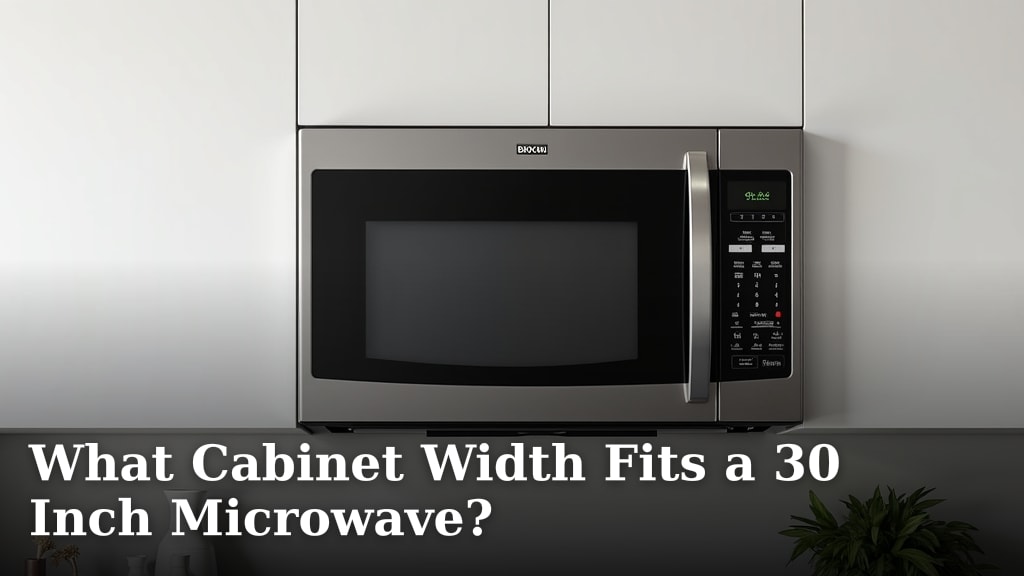
When fitting a microwave into your cabinet, the most common cabinet width for a 30-inch microwave is a **standard 30-inch wide opening**. This allows the microwave to sit flush with the cabinet doors. You’ll want to make sure the If you have limited cabinet height, consider a low-profile over-the-range microwave.interior cabinet space can accommodate the microwave’s depth and height, not just the width.
Many modern kitchens are designed with these dimensions in mind. We found that a 30-inch cabinet opening is ideal for most 30-inch microwaves, whether they are built-in models or simply designed to look that way. Always double-check your specific microwave’s dimensional requirements to avoid surprises during installation.
- Standard 30-inch microwaves fit in 30-inch wide cabinet openings.
- Measure your cabinet’s interior depth and height too.
- Check your microwave’s specs for exact fit details.
- Ensure good airflow around the appliance.
We’ve gathered the essential information to help you choose the right cabinet width for your 30-inch microwave. Let’s walk through exactly how to ensure a perfect fit for your kitchen.
Choosing the Right Cabinet for Your 30-Inch Microwave
So, you’ve picked out a shiny new 30-inch microwave. That’s fantastic! Now, you’re probably wondering about its home. You want it to fit just right, looking like it belongs there. We found that a standard 30-inch wide cabinet opening is usually your best bet for a 30-inch microwave.
This means the microwave’s width lines up perfectly with the cabinet’s width. It often slides right in, looking neat and tidy. But don’t just stop at the width! Your cabinet needs to be ready for the microwave’s other dimensions too. We’ve seen many kitchens designed this way.
Understanding Microwave Cabinet Dimensions
When we talk about a “30-inch microwave,” we’re usually referring to its overall width. This is the most common way manufacturers label their appliances. This measurement typically includes the outer casing of the microwave itself. It doesn’t usually account for any extra trim kits or decorative panels you might add later.
Most standard kitchen cabinets come in pre-set widths. The most common widths you’ll find are 12, 15, 18, 21, 24, 27, 30, 33, and 36 inches. The 30-inch cabinet is a very popular size, especially for upper cabinets.
The Ideal Width: A 30-Inch Opening
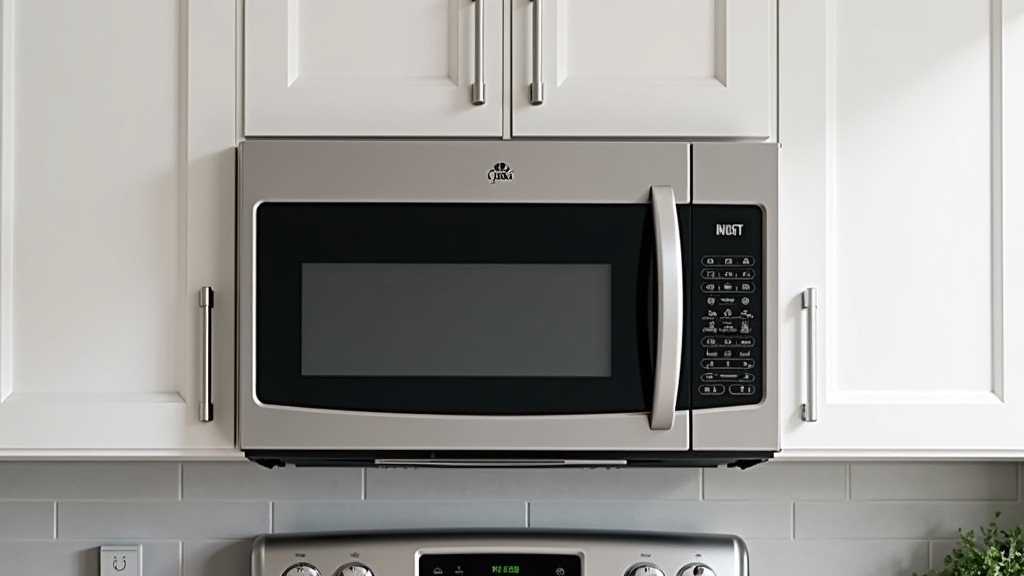
For a 30-inch microwave, the **ideal cabinet width** is almost always a 30-inch wide opening. This allows the microwave to sit flush with the cabinet doors on either side. It gives a clean, built-in look without any awkward gaps. Imagine a perfectly tailored suit – that’s the kind of fit we’re aiming for!
This standard sizing makes installation much simpler. You’re not trying to force a square peg into a round hole. Many cabinet manufacturers design their lines with this microwave size in mind. We found that builders often plan for this common appliance dimension.
What About Other Cabinet Sizes?
Could a 30-inch microwave fit in a larger cabinet? Yes, it could technically fit inside a 33-inch or 36-inch cabinet. However, this would leave significant gaps on either side. These gaps might look unfinished and can collect dust. You might need to use filler panels or a special trim kit to make it look intentional.
What about a smaller cabinet? Trying to fit a 30-inch microwave into a cabinet opening narrower than 30 inches is usually not possible. The microwave simply won’t fit through the opening. You’d be looking at a very tight squeeze, if it fits at all. This could also block necessary ventilation.
Beyond Width: Depth and Height Matter Too!
While width is often the first thing you think of, don’t forget about the other two important dimensions: **depth and height**. Your cabinet needs to accommodate these as well. Microwaves can be quite deep, often ranging from 15 to 18 inches or more.
You need to ensure there’s enough clearance inside the cabinet. This prevents the microwave from sticking out too far. It also ensures the door can open and close properly. We found that many people overlook these dimensions until it’s too late.
Checking Your Microwave’s Depth Requirements
When you’re looking at your microwave’s specifications, you’ll see a depth measurement. This is the distance from the very front of the appliance to the very back. You need to compare this to the **interior depth** of your cabinet. The cabinet’s interior depth will be less than its exterior depth due to the cabinet walls.
Some microwaves are designed to be fully recessed, meaning they sit entirely within the cabinet. Others might be designed to protrude slightly. Always check the manufacturer’s recommendations. They will often specify the minimum cabinet depth required for proper installation and **airflow**.
Ensuring Sufficient Height Clearance
Similarly, the height of your microwave needs to fit within the cabinet opening. Standard upper cabinets often have interior heights that can accommodate most 30-inch microwaves. However, it’s always wise to measure. Look for any obstructions within the cabinet, like shelving or hinges, that might reduce the available height.
Some microwaves come with specialized ventilation requirements. This might mean you need a little extra space above or around the unit for air to circulate freely. Proper ventilation is key to preventing the microwave from overheating. We found that good airflow helps your appliance last longer.
Ventilation: The Unsung Hero of Microwave Installation
This is a big one that many homeowners forget. Microwaves generate heat when they operate. They need space to breathe! Without adequate ventilation, the internal components can overheat. This can lead to performance issues or even damage to the appliance.
Many 30-inch microwaves, especially those designed for built-in installations, have specific ventilation needs. This might involve vents on the front, top, or back. Your cabinet design needs to allow for this airflow. If the microwave is placed too snugly, it can’t dissipate heat effectively.
Built-in vs. Countertop Microwaves in Cabinets
It’s important to distinguish between microwaves designed specifically for built-in installations and standard countertop models placed inside a cabinet. Built-in models often come with trim kits and are designed to integrate seamlessly. They usually have clear instructions regarding required clearances.
Countertop models, when placed in a cabinet, might not have the same ventilation built into their design. You may need to ensure there’s at least an inch or two of space on all sides, especially at the back and top, for air to circulate. We found that some countertop models are not intended for enclosed cabinet use at all.
Trim Kits: The Finishing Touch
If you’re installing a 30-inch microwave into a cabinet, especially if it’s a countertop model or if there are slight gaps, a **trim kit** can be your best friend. Trim kits are essentially frames that surround the microwave opening.
They are designed to fill the space between the microwave and the cabinet. This gives your installation a polished, built-in appearance. Trim kits come in various widths and heights. They are usually specific to the microwave model or brand. Always ensure the trim kit you choose is compatible with your microwave.
We found that many people opt for trim kits when they want that high-end, integrated look. They can make a noticeable difference in the overall aesthetic of your kitchen cabinetry. It’s like adding a picture frame to a beautiful photograph.
Installation Checklist for Your 30-Inch Microwave
Before you finalize your cabinet plans or attempt installation, run through this quick checklist. It will help ensure you haven’t missed any critical details for your 30-inch microwave.
- Measure your microwave: Get the exact width, height, and depth of your appliance.
- Measure your cabinet opening: Determine the clear interior width, height, and depth available.
- Check manufacturer specs: Consult the microwave’s manual for installation and ventilation requirements.
- Consider ventilation: Ensure there’s enough space around the unit for airflow.
- Factor in trim kits: If needed, determine the correct size and type of trim kit.
- Plan for power: Make sure an electrical outlet is accessible and properly located.
Common Pitfalls to Avoid
We’ve gathered some common mistakes people make when fitting a microwave into a cabinet. Avoiding these can save you time, frustration, and even money.
One common issue is **assuming all 30-inch microwaves are the same size**. While the width might be 30 inches, the actual physical dimensions can vary slightly. Always check the specific model’s specifications.
Another pitfall is neglecting the **depth requirement**. A microwave that fits width-wise might stick out too far if the cabinet isn’t deep enough. This can look odd and be inconvenient.
Finally, forgetting about **electrical access** is a classic oversight. You need a convenient and safe way to plug in your microwave. If your cabinet doesn’t have an outlet inside, you might need an electrician to install one. We found that planning this ahead is essential.
When to Call a Professional
While many cabinet and appliance installations can be DIY projects, some situations call for professional help. If you’re uncomfortable with measuring, cutting, or electrical work, it’s always best to consult a professional.
Cabinet installers or kitchen remodelers have the experience to ensure a perfect fit. Appliance installers can make sure your microwave is securely and correctly installed, with all ventilation requirements met. We found that professionals can often spot potential problems you might miss. It’s a good investment for peace of mind and a flawless finish.
| Item | Standard Size | Notes |
|---|---|---|
| 30-Inch Microwave Width | Approximately 30 inches | Outer casing dimension. |
| Ideal Cabinet Opening Width | 30 inches | Allows flush fit with cabinet doors. |
| Typical Microwave Depth | 15-18+ inches | Ensure cabinet interior is deep enough. |
| Common Cabinet Depth (Interior) | 12-14 inches | May require specific microwave or trim. |
| Standard Upper Cabinet Height | 30-42 inches | Usually sufficient for microwave height. |
This table shows some common measurements. Remember to always check your specific appliance and cabinet details. Measurements can vary between manufacturers.
Conclusion
Fitting a 30-inch microwave into your kitchen is straightforward when you focus on the right details. We found that a standard 30-inch cabinet opening is your best bet for a flush, integrated look. Remember to always measure your microwave’s exact dimensions and compare them to your cabinet’s interior width, depth, and height. Don’t forget to plan for proper ventilation – it’s key to your microwave’s longevity. Take these steps, and you’ll ensure a perfect fit and a stylish addition to your kitchen.
Frequently Asked Questions
Will a 30-inch microwave fit in a 36-inch cabinet?
Yes, a 30-inch microwave can technically fit inside a 36-inch cabinet opening. However, this will leave a gap of about 3 inches around the sides. You’ll likely need a trim kit to fill this space for a more finished, built-in appearance. Without a trim kit, the gaps might look unfinished and collect dust.
Can I put a 30-inch microwave in a cabinet smaller than 30 inches wide?
Generally, no. A 30-inch microwave will not fit through a cabinet opening that is narrower than 30 inches. The width of the appliance is its widest point, and it needs to pass through the opening to be installed. Attempting to force it could damage the microwave or the cabinet.
What if my cabinet is deeper than my 30-inch microwave?
If your cabinet is deeper than your 30-inch microwave, that’s usually fine. It means the microwave won’t stick out excessively, which can look neat. Just ensure there’s still adequate space at the back for necessary ventilation according to the manufacturer’s guidelines. Excessive depth isn’t typically an issue, unlike insufficient depth.
Do I need special ventilation for a 30-inch microwave in a cabinet?
Yes, proper ventilation is critical for any microwave installed in a cabinet. Ensure there is enough space around the unit for air to circulate freely, especially at the back and top. Some microwaves, particularly built-in models, come with specific ventilation requirements that you must follow to prevent overheating.
Are there different types of 30-inch microwaves for cabinets?
Yes, there are. You have built-in microwaves designed specifically to integrate seamlessly into cabinetry, often with included trim kits. You also have standard countertop microwaves that can be placed inside a cabinet opening. If using a countertop model, pay extra attention to ventilation and consider a trim kit for a polished look.