Over-the-Range Microwave Without Cabinet
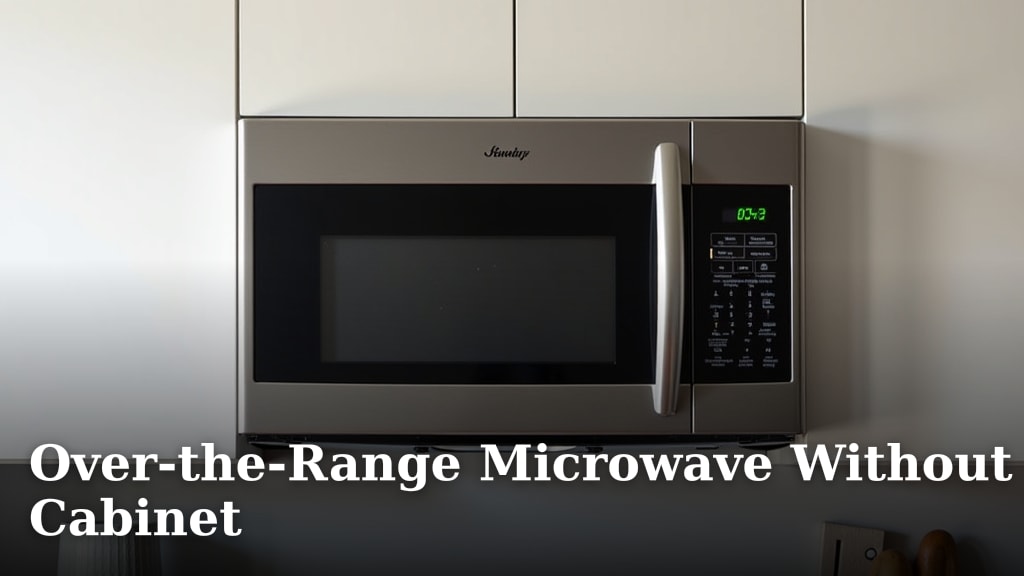
Yes, you can absolutely install an over-the-range microwave without a cabinet above it. This setup often involves using a specific mounting bracket or a specially designed microwave that attaches directly to the wall. It’s a common solution for kitchens where a cabinet just isn’t practical or desired. Many homeowners choose this for a more open feel.
Opting for an over-the-range microwave without a cabinet is a smart way to save space in smaller kitchens. It also offers a chance to customize your kitchen’s look. You can achieve a sleek, modern aesthetic or choose a model that complements your existing decor. We’ve found it’s a popular choice for renters, too.
- You don’t need a cabinet above your microwave.
- Special mounting hardware is often required.
- This can make your kitchen feel more open.
- It’s a flexible design choice for many homes.
Below, we’ll walk you through what you need to know about installing an over-the-range microwave when there’s no cabinet in the way.
Mounting Your Over-the-Range Microwave Without a Cabinet
You’re thinking about installing an over-the-range microwave, but your kitchen doesn’t have a cabinet above the stove. You might be wondering if this is even possible. The good news is that yes, it’s absolutely doable! Many homeowners opt for this setup for a variety of reasons, from wanting a more open feel to simply not having the space for a cabinet. Let’s look at how you can achieve this functional and stylish kitchen upgrade.
Understanding the Mounting Options
When you forgo a cabinet, you need a reliable way to secure your microwave. The most common solutions involve specialized mounting hardware. These are designed specifically to support the weight of the microwave and ensure it’s safely attached to the wall. When you forgo a cabinet, you need a reliable way for securing your microwave; learn about countertop placement risks.
Using a Wall Mounting Bracket
A wall mounting bracket is the primary method for securing an over-the-range microwave without a cabinet. These brackets are typically made of sturdy metal and come in various designs. They attach directly to the studs in your wall. This creates a strong anchor point for the microwave. Many manufacturers include a bracket with their over-the-range models. If yours doesn’t, you’ll need to purchase one separately. Always check that the bracket is compatible with your specific microwave model.
Direct Wall Mounting Kits
Some microwaves are designed for direct wall mounting. These units might have reinforced back panels or specific mounting points. This eliminates the need for a separate bracket. Again, compatibility is key. You’ll want to confirm that your chosen microwave supports this type of installation. We found that manufacturers often provide detailed instructions for these direct mount systems.
What About the Venting?
Your over-the-range microwave needs to vent smoke, steam, and odors. If there’s no cabinet, you still need to manage the exhaust. Most over-the-range microwaves are designed with a top or front vent. You’ll need to ensure this vent is properly directed outside your home. This usually involves a duct that runs through your kitchen wall or ceiling. Many experts recommend professional installation for proper ductwork. Improper venting can lead to moisture buildup and ventilation issues.
Choosing the Right Microwave Model
Not all over-the-range microwaves are created equal. Some models are better suited for installation without an overhead cabinet. When you’re shopping, pay attention to the design and ventilation options.
Ventilation Types to Consider
Microwaves typically have two types of ventilation: recirculating (ductless) or ducted. Recirculating models use charcoal filters to clean the air before releasing it back into the kitchen. These are simpler to install but less effective at removing heat and moisture. Ducted systems vent air outside your home, which is generally more efficient. If you’re going cabinet-free, a ducted system is often preferred for better air quality. We found that many users prefer the performance of ducted systems.
Size and Depth of the Microwave
The dimensions of the microwave are crucial, especially without a cabinet to frame it. You’ll want a model that fits comfortably above your range without looking too small or too large. Consider the depth of the unit. You don’t want it sticking out too far and becoming a hazard. We found that standard over-the-range microwaves are usually around 16 inches deep. Always measure your space carefully before you buy. The dimensions of the microwave are crucial, especially without a cabinet; our guide to low-profile models explains why.
Installation Steps and Considerations
Installing an over-the-range microwave without a cabinet involves a few key steps. Safety is your top priority throughout the process. If you’re not comfortable with electrical work or structural mounting, it’s best to hire a professional.
Locating Wall Studs
For any wall-mounted appliance, finding wall studs is essential. Studs are the vertical wooden beams inside your walls that provide structural support. You’ll need to use a stud finder to locate them precisely. Your mounting bracket or direct mounting kit will need to be screwed directly into these studs. This ensures the microwave is securely attached and can support its own weight plus the food inside.
Electrical Connections
Over-the-range microwaves require a dedicated electrical outlet. This outlet is usually located inside the cabinet above the microwave. When you don’t have a cabinet, you’ll need to ensure an outlet is accessible nearby. It might be on the backsplash or a side wall. Many local building codes require a specific type of outlet for kitchen appliances. We strongly advise consulting an electrician for this part of the installation. They can ensure the connection is safe and meets all requirements.
Venting Ductwork Setup
If you’re using a ducted ventilation system, you’ll need to install the ductwork. This involves cutting a hole through your exterior wall or ceiling. The duct then runs from the microwave to the outside. Proper sealing is critical to prevent air leaks. Many guidelines suggest using smooth, rigid metal ducting for the best airflow (Consumer Product Safety Commission). Flexible ducting can be used in tight spots, but it’s less efficient.
Benefits of a Cabinet-Free Over-the-Range Microwave
Opting for this installation style comes with several advantages that many homeowners appreciate. It’s not just about fitting a microwave; it’s about enhancing your kitchen’s functionality and look.
Creating an Open and Airy Feel
Removing a cabinet above the microwave can make your kitchen feel larger and more open. This is particularly beneficial in smaller kitchens where cabinets can sometimes make the space feel cramped. You gain a sense of visual space. This can make cooking and entertaining more enjoyable. Many designers suggest this approach for modern kitchens.
Easier Cleaning and Maintenance
Without a cabinet directly overhead, cleaning around the microwave becomes much simpler. You won’t have to worry about reaching into tight spaces or cleaning dust from the top of the cabinet. This can save you time and effort during your kitchen cleaning routine. It’s one of those small conveniences that adds up.
Customization and Aesthetics
A cabinet-free setup allows for more design freedom. You can choose to add a decorative backsplash behind the microwave. This can become a focal point in your kitchen design. It also gives you the flexibility to change your kitchen’s look later without being constrained by cabinet placement. We found that many people enjoy the clean, minimalist look this provides.
Potential Challenges and Solutions
While installing an over-the-range microwave without a cabinet is a great option, there are a few potential hiccups to be aware of.
Limited Storage Space
The most obvious challenge is the loss of storage space that a cabinet typically provides. You might have used that cabinet for spices, oils, or frequently used utensils. You’ll need to find alternative storage solutions. This could involve adding shelves to another part of your kitchen, using drawer organizers, or investing in a small kitchen island with storage. It’s a trade-off for the open feel.
Professional Installation Costs
Depending on your home’s existing setup, you might need professional help. Running new electrical lines or installing ductwork can be complex. This will add to your overall budget. We found that professional installation typically ranges from a few hundred to over a thousand dollars, depending on the complexity. It’s wise to get a few quotes before you start.
Weight and Stability Concerns
Microwaves are not light appliances. Ensuring they are mounted securely is paramount. Always follow the manufacturer’s instructions for mounting. If you are unsure about the stability of your wall structure, consult a contractor. They can assess if any reinforcement is needed. The last thing you want is a microwave coming loose.
Is This Right for Your Kitchen?
Deciding whether to install an over-the-range microwave without a cabinet depends on your priorities. Consider your kitchen’s layout, your budget, and your desired aesthetic. If you value an open feel and are willing to find alternative storage, this setup can be an excellent choice. It’s a practical and stylish solution for many modern homes.
Quick Checklist for Going Cabinet-Free:
- Confirm your chosen microwave is suitable for cabinet-free installation.
- Locate wall studs accurately for secure mounting.
- Ensure you have a properly installed electrical outlet.
- Plan your ventilation system (ducted or recirculating).
- Measure your space carefully for the right microwave size.
- Consider where you’ll store items usually kept in an overhead cabinet.
Conclusion
You’ve learned that installing an over-the-range microwave without an upper cabinet is definitely possible. It involves using specialized mounting brackets or direct wall-mount kits for stability. This setup can give your kitchen a more open and airy feel, and it can simplify cleaning. While you might lose some cabinet storage, the aesthetic benefits and ease of maintenance are significant advantages for many. If this modern approach appeals to you, your next step is to measure your space carefully and start researching compatible microwave models and mounting hardware.
Frequently Asked Questions
Will my existing electrical outlet work for a cabinet-free microwave?
Your existing electrical outlet may or may not work. Over-the-range microwaves typically need a dedicated outlet, often located inside the cabinet. If you don’t have a cabinet, you’ll need to ensure an outlet is accessible nearby, possibly on the backsplash or side wall. We strongly recommend consulting an electrician to confirm your outlet meets local code requirements and is safely installed.
Can I use a recirculating (ductless) microwave without a cabinet?
Yes, you can use a recirculating microwave without a cabinet. These models use charcoal filters to clean the air before releasing it back into the kitchen. They are generally simpler to install as they don’t require external ductwork. However, they are less effective at removing heat and moisture compared to ducted systems, which might be a consideration for your cooking habits.
How do I ensure the microwave is securely mounted if there’s no cabinet support?
Secure mounting is critical and relies on finding wall studs. You’ll use a stud finder to locate these structural beams and attach your mounting bracket or the microwave’s direct mounting system directly into them. Always follow the manufacturer’s instructions precisely. If you’re unsure about your wall’s stability, it’s best to consult a contractor.
What happens to the space above where a cabinet would normally be?
When you install a microwave without a cabinet above it, the space remains open. This open space can make your kitchen feel larger and less cluttered. Many homeowners choose to use this area to display decorative items or install a stylish backsplash that becomes a visual focal point in the kitchen. It offers a chance for personalization.
Is professional installation necessary for a cabinet-free microwave setup?
Professional installation is often recommended, especially if you need to modify electrical wiring or install venting ductwork. While some DIYers can handle mounting with basic tools and knowledge of wall studs, complex electrical or venting work requires expertise. Hiring a professional ensures the installation is safe, up to code, and functions correctly, preventing potential issues down the line.