Do Over-the-Range Microwaves Come Pre Wired?
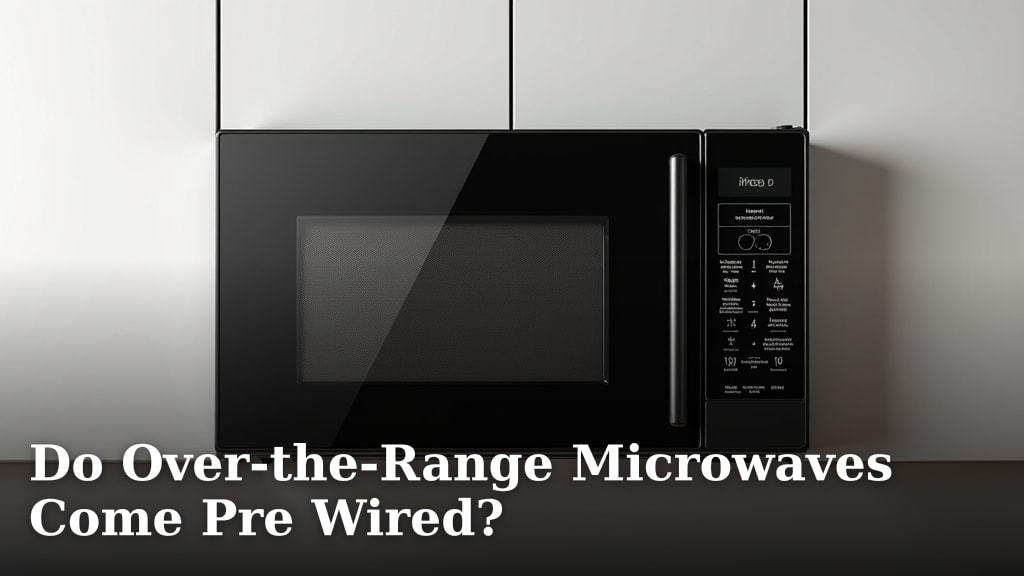
Yes, over-the-range microwaves typically come pre-wired with a power cord. This means you won’t usually need to do any hardwiring yourself to get it up and running. Most models include a standard plug that fits into a typical kitchen outlet, making installation much simpler for homeowners.
While they come with cords, it’s still important to ensure your kitchen has the correct electrical setup. This includes checking if you have a dedicated outlet near where the microwave will be installed. We found that many people wonder about this, and it’s a key step for safe operation.
- Most OTR microwaves plug into a standard outlet.
- You likely won’t need an electrician for basic setup.
- Check your kitchen for a suitable outlet nearby.
- Proper electrical connections are vital for safety.
Let’s walk through exactly what that means for your new over-the-range microwave.
Understanding Your Over-the-Range Microwave’s Power Cord
This is a great question many homeowners ask when they’re getting ready to install a new over-the-range (OTR) microwave. You’ll be happy to know that yes, most OTR microwaves do come with a power cord already attached. This means you generally won’t need to do any complex electrical work like hardwiring the appliance directly into your home’s electrical system. It’s designed to be a simpler installation for most people.
The cord usually ends with a standard plug, the kind you’d use for a toaster or a coffee maker. This makes plugging it into an available kitchen outlet straightforward. We found that this is a major convenience factor for many shoppers. It often means you can have your new microwave up and running without needing to call an electrician, saving you time and money.
What “Pre-Wired” Really Means for Your OTR Microwave
When we say an OTR microwave comes “pre-wired,” it means the necessary internal electrical connections are already made inside the appliance. The power cord is a permanent part of the microwave itself. Your job isn’t to wire the microwave; it’s to provide a suitable place for that pre-attached cord to plug into.
Think of it like buying a new lamp. The lamp doesn’t come in pieces that you have to wire together. It comes with a cord already attached. You just plug it into the wall. An OTR microwave is similar, though it’s a much larger and more powerful appliance.
The cord length can vary by model, but it’s typically designed to reach a standard outlet located either above the range or inside the cabinet space above it. We’ve found that manufacturers aim for convenience here.
Checking Your Kitchen’s Electrical Setup
Even though the microwave comes with a plug, it’s super important to make sure your kitchen has the right electrical setup. This is where a little preparation comes in handy. You can’t just assume any outlet will do, especially for an appliance that uses a lot of power.
The Importance of a Dedicated Outlet
Many experts and appliance manufacturers recommend that your OTR microwave be plugged into a dedicated 20-amp circuit. This means that the outlet your microwave uses should only power the microwave. It shouldn’t share a circuit with other high-demand appliances like refrigerators, toasters, or coffee makers.
Why is this so important? Well, microwaves draw a significant amount of electricity when they’re running, especially when heating food. If the circuit is overloaded with too many appliances, you might experience tripped breakers, which can be annoying. In rarer cases, it could pose a safety hazard.
We found that many homes built before a certain era might not have dedicated circuits for kitchen appliances. It’s worth checking your home’s electrical panel if you’re unsure. Your electrical panel is like the command center for your home’s electricity.
What to Look for in Your Electrical Panel
Your electrical panel, often found in a basement, garage, or closet, has a series of breakers or fuses. Each breaker or fuse controls a different part of your home’s electrical system. You’ll want to see if the outlet you plan to use for the microwave is on a circuit by itself, or if it shares power with other outlets or lights.
If you’re not comfortable reading your electrical panel, it’s always best to consult an electrician. They can tell you if your current setup is adequate or if you might need an upgrade. Safety first, right?
Outlet Location Matters Too
Beyond the circuit itself, the physical location of the outlet is key. OTR microwaves are designed to be installed above your stove. The power cord typically exits from the top or back of the microwave unit.
Ideally, you want an outlet that is positioned so the cord can reach it without being stretched tightly or kinked. A cord that’s pulled too taut can wear out faster or even pose a tripping hazard. An outlet that’s too far away might mean you need an extension cord, which is generally not recommended for microwaves.
We found that some older installations might have the outlet placed inside the cabinet where the microwave sits. Newer installations often place it on the backsplash or inside the cabinet, but positioned so the cord can be discreetly managed. Check where the microwave will sit and where your current or planned outlet is located.
When You Might Need a Professional Electrician
While most OTR microwaves are designed for easy plug-in installation, there are definitely times when you’ll need to call in the pros. If you’re not seeing a suitable outlet, or if you’re concerned about your home’s electrical capacity, an electrician is your best bet.
Here are a few scenarios where professional help is wise:
- Your kitchen doesn’t have any outlets near the microwave installation spot.
- The existing outlet is on a shared circuit with many other appliances.
- You need to install a new, dedicated 20-amp outlet.
- Your home’s electrical panel seems outdated or you’re unsure about its capacity.
- The power cord on the microwave doesn’t seem long enough for any accessible outlet.
Many appliance installers will also perform basic outlet checks, but they aren’t electricians. They can tell you if the plug fits, but they might not be able to diagnose complex electrical issues. It’s always good to have a qualified electrician check your setup if there’s any doubt.
Comparing Plug-In vs. Hardwired Microwaves (A Quick Look)
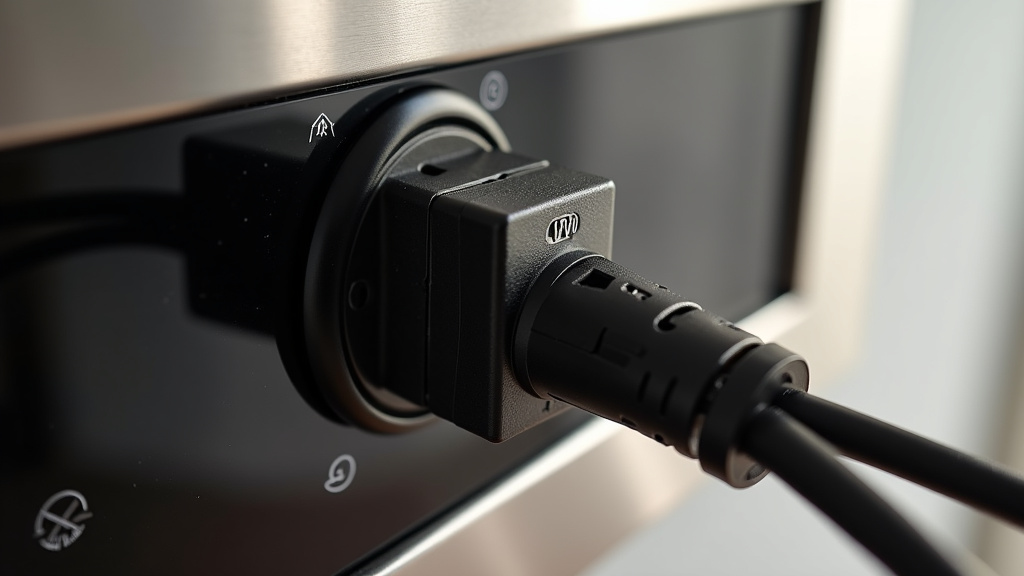
It’s worth noting that while OTR microwaves almost always come with a plug, some other types of built-in microwaves, or specific commercial models, might require hardwiring. This means the appliance is directly connected to your home’s electrical wiring, usually without a visible plug or cord.
Here’s a simple breakdown:
| Microwave Type | Power Connection | Typical Installation |
|---|---|---|
| Over-the-Range (OTR) | Pre-wired with a plug | Plugs into a standard kitchen outlet |
| Countertop | Pre-wired with a plug | Plugs into a standard kitchen outlet |
| Built-in (under-counter or cabinet) | Often pre-wired with a plug, but some models may require hardwiring. | Plugs into an outlet, or requires an electrician for hardwiring. |
| Commercial/Some High-End | May require hardwiring | Requires an electrician for installation. |
As you can see, for the common OTR microwave you’re likely considering, the plug-in design is the standard. This makes them accessible for most kitchens without major electrical overhauls. We found this design choice by manufacturers really simplifies things for the average consumer.
Your Installation Checklist: Simple Steps to Success
To make sure your new OTR microwave installation goes smoothly, here’s a quick checklist:
- Check the Microwave’s Cord: Note its length and where it exits the unit.
- Locate Your Outlet: Find the nearest suitable electrical outlet for the microwave.
- Verify the Outlet Type: Ensure it’s a grounded outlet (usually three-prong).
- Inspect the Circuit: If possible, check your electrical panel to see if the outlet is on a dedicated 20-amp circuit.
- Consider Cord Management: Plan how you’ll route the cord so it’s not stretched or a hazard.
- Consult an Electrician: If you have any doubts about your electrical setup, call a professional before you start.
Following these steps will help ensure your over-the-range microwave is installed safely and correctly. It’s all about making sure your appliance has the power it needs to perform its best, without any fuss.
Conclusion
You’ve learned that over-the-range microwaves typically come pre-wired with a power cord. This means you generally won’t need to perform complex electrical work for installation. Your main focus should be ensuring you have a suitable, dedicated 20-amp outlet nearby. We found that this simple setup makes OTR microwaves user-friendly for most kitchens. Before you install, always check your kitchen’s electrical setup and consult an electrician if you have any doubts about your home’s wiring. Your next step is to confirm your kitchen is ready for a safe and efficient installation.
Frequently Asked Questions
Do I need a special outlet for an over-the-range microwave?
Yes, it’s highly recommended that your over-the-range microwave uses a dedicated 20-amp circuit. This means the outlet should only power the microwave to prevent overloading. We researched this and found it’s key for safe operation.
What if my kitchen doesn’t have an outlet near the microwave spot?
If there’s no suitable outlet where you plan to install your microwave, you’ll need to call a professional electrician. They can safely install a new outlet and ensure it’s on the correct circuit. We found this is a common need in older homes.
Can I use an extension cord with my OTR microwave?
It is strongly advised not to use an extension cord for your over-the-range microwave. Microwaves draw a lot of power, and extension cords can be a safety hazard and may not handle the load. Always aim to plug directly into an outlet.
How long is the power cord on most OTR microwaves?
The length of the power cord can vary by manufacturer and model. We found that cords are usually designed to reach standard outlets located above the range or within the cabinet space. Always check the cord length against your planned outlet location.
What’s the difference between plug-in and hardwired microwaves?
Plug-in microwaves, like most over-the-range models, come with a power cord and plug into a standard outlet. Hardwired microwaves are directly connected to your home’s electrical system by an electrician, with no visible cord. This article focused on the common plug-in type.