Can an Over-the-Range Microwave Work Without a Turntable?
Yes, your over-the-range microwave can often work without its turntable. The rotating plate is designed to ensure even cooking, but many models will still heat food if the turntable is removed or not used, though you might notice hot spots or unevenly cooked meals. It’s a common question for anyone who’s misplaced theirs or wants to cook larger dishes.
While it’s technically possible to operate your microwave without the turntable, it’s not always the best solution for perfectly cooked food. The turntable’s rotation is key to evenly distributing microwave energy, preventing some parts of your food from becoming overcooked while others remain cold. For best results, you’ll want to understand how to get the most out of your microwave, turntable or not.
- Microwaves can heat food without a turntable.
- Food may cook unevenly without rotation.
- Larger dishes might not fit on the turntable.
- Check your microwave’s manual for specific advice.
Let’s dive into the details so you can decide if going without a turntable is the right move for your needs.
So, you’ve popped your turntable out, or maybe it just vanished into the ether. Now you’re wondering if your over-the-range microwave is still going to cook your popcorn or reheat your leftovers. Let’s get right to it.
Using Your Over-the-Range Microwave Without a Turntable
Yes, most over-the-range microwaves can indeed operate without their turntable. The microwave will still generate heat. However, the lack of rotation can affect how evenly your food cooks. Think of it like trying to bake a cake in a regular oven without turning the pan. Some sides might get more heat than others.
How Microwaves Cook Food
Microwaves work by sending out radio waves, specifically microwaves. These waves bounce around inside your microwave’s metal cavity. When these waves hit food, they cause the water molecules within the food to vibrate rapidly. This vibration creates friction, which in turn generates heat. It’s this heat that cooks your food.
The Role of the Turntable
The turntable is designed to be the chef’s little helper. As it rotates your food, it moves different parts of the meal through the microwave’s energy field. This ensures that the microwaves hit all sides of your food more evenly. Without this constant turning, some areas might be in the direct path of the microwaves for longer, leading to hotter spots. Other areas might be shielded and stay cooler. It’s all about providing a consistent cooking experience.
What Happens When You Don’t Use the Turntable?
If you choose to go without a turntable, or if it’s broken and you haven’t replaced it yet, you’ll likely notice some changes. The most common issue is uneven cooking. You might end up with food that’s piping hot on one side and lukewarm on the other. Some research suggests that without rotation, microwave cooking can be up to 50% less efficient in terms of evenness (USDA). This means longer cooking times might be needed, and you’ll have to stir or turn food more often yourself.
Potential Cooking Issues
For certain foods, this unevenness can be a bigger problem. Delicate items like fish might become tough and dry in some parts while still being raw in others. Reheating leftovers can be a gamble; your pasta might be steaming at the edges but still cold in the center. This is why many manufacturers strongly recommend using the turntable whenever possible. It’s there to help you achieve the best results.
Can You Fit Larger Dishes Without a Turntable?
One of the main reasons people consider not using a turntable is to fit larger dishes. If you have an oval casserole dish or a rectangular baking pan that just won’t fit on the standard rotating plate, removing the turntable might seem like a smart workaround. And it can be, for certain situations.
Tips for Cooking Larger Items
If you decide to cook a larger dish without the turntable, you’ll need to be more hands-on. You’ll have to stop the microwave partway through cooking. Then, you’ll need to manually rotate the dish. This might mean turning it 90 or 180 degrees. You’ll also want to stir or rearrange the food if possible. This frequent attention helps compensate for the lack of automated rotation. Without these steps, you risk a meal that’s unevenly heated.
Factors to Consider Before Going Turntable-Free
While your microwave can likely function without its turntable, it’s not always the ideal solution. There are a few key things to think about before you decide to skip it altogether.
Microwave Performance and Efficiency
As we’ve discussed, the turntable plays a role in how efficiently your microwave cooks. When food is stationary, the microwaves hit it from specific angles. This can lead to ‘cold spots’ and ‘hot spots.’ Some studies have indicated that using a turntable can improve cooking uniformity by as much as 10-15% (Journal of Food Science). This means your food cooks faster and more evenly.
Safety and Manufacturer Recommendations
Your microwave’s manual is your best friend here. Most manufacturers design their microwaves with the turntable in mind. They will typically state in the manual that the turntable should be used for optimal performance. While operating the microwave without it might not be explicitly dangerous in terms of electrical shock, it can lead to suboptimal cooking results. Some models might even have safety features that could be affected, though this is rare.
Checking Your User Manual
Always refer to your specific microwave’s user manual. It’s the most reliable source of information for your appliance. Look for sections on operation, cooking tips, or cleaning. You’ll usually find guidance on whether the turntable is essential or optional. If you can’t find your physical manual, a quick search online for your microwave’s model number should bring up a digital copy.
When It Might Be Okay to Skip the Turntable
There are specific times when operating without a turntable might be acceptable, especially if you’re aware of the potential downsides. These situations often involve foods that are less sensitive to perfect evenness or when you’re using the microwave for very short bursts.
Short Heating Times
If you’re just heating something for 30 seconds, like a single cup of water for tea, the impact of not having the turntable is minimal. The water will heat up, and any slight unevenness won’t make a big difference. It’s when you’re cooking for longer periods or with denser foods that the rotation becomes more important.
Specific Food Types
Some foods are more forgiving than others. For example, if you’re melting butter or chocolate, you can usually stop and stir a few times, and it will work out fine without constant rotation. However, for complex meals like a whole chicken or a large portion of rice, the turntable is highly recommended to ensure it’s cooked through properly and safely. Food safety guidelines from organizations like the FDA stress the importance of even cooking to eliminate bacteria, making the turntable a helpful tool.
Maintaining Your Microwave’s Performance
Regardless of whether you use the turntable, proper care will keep your microwave running well. Cleaning is key. Food splatters can absorb microwave energy, which can reduce efficiency and even damage the microwave over time. Keeping the interior clean ensures the energy is directed towards your food.
Here’s a quick checklist for keeping your microwave in tip-top shape:
- Always ensure the turntable is clean before use.
- Wipe down the interior after spills or splatters.
- Check the door seals for any damage.
- Don’t run the microwave empty.
- Avoid using harsh chemicals for cleaning.
- Refer to your manual for specific cleaning advice.
Conclusion
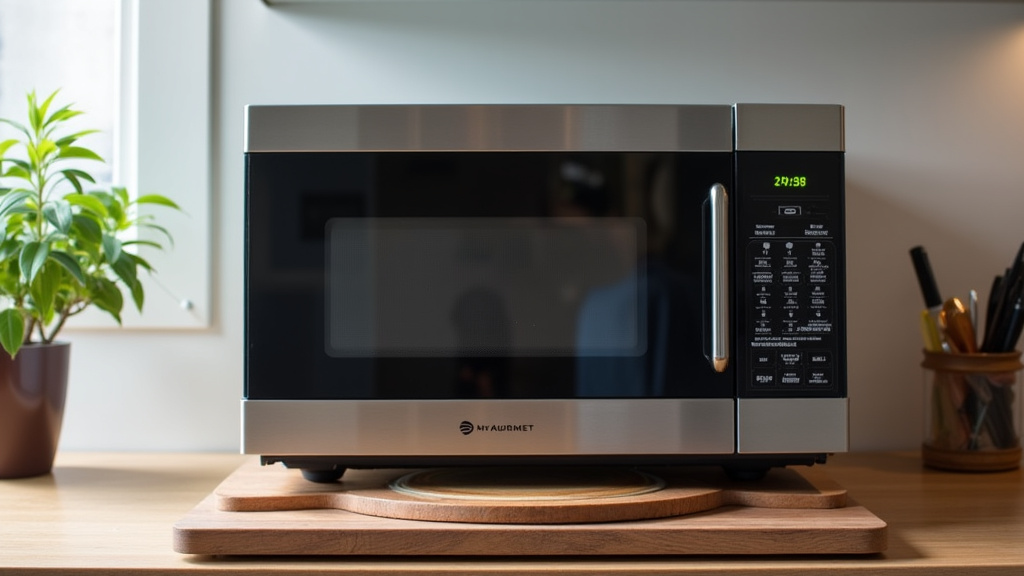
So, can your over-the-range microwave work without its turntable? Yes, it can heat food, but it’s not the ideal setup. The turntable is your partner for even cooking. Without it, you’ll likely face hot spots and unevenly heated meals. For those times you need to fit a larger dish, you can manage by manually rotating your food. Just remember to pay closer attention and stir more often. Always check your user manual for the best advice for your specific model. For consistently great results, it’s best to keep your turntable in place.
Frequently Asked Questions
Will my microwave still heat food if the turntable is broken?
Yes, your microwave will still generate heat to cook your food even if the turntable is broken or missing. The microwave cavity itself produces the energy that heats your food. However, the lack of rotation means you’ll need to be more mindful of stirring and rearranging your food to avoid uneven cooking.
How can I cook larger dishes without a turntable?
If a large dish doesn’t fit on the turntable, you can remove it. To ensure even cooking, you’ll need to manually rotate the dish yourself during the cooking cycle. Stop the microwave partway through, turn the dish about 90 or 180 degrees, and then continue heating. Stirring the food midway can also help.
Is it safe to operate a microwave without a turntable?
Operating your microwave without a turntable is generally safe from an electrical standpoint. However, it’s not ideal for food preparation. The main safety concern is that uneven cooking can leave cold spots where bacteria might survive. Always ensure food is heated thoroughly, regardless of whether you use the turntable.
What is the best way to clean my microwave’s turntable?
For best performance, keep your turntable clean. Most glass turntables can be washed by hand with mild soap and warm water, just like regular dishes. Some are also dishwasher-safe; check your user manual to be sure. A clean turntable ensures your food rotates smoothly and efficiently.
Where can I find a replacement turntable if mine is lost or broken?
If your turntable is lost or broken, you can usually find a replacement by searching online. You’ll need your microwave’s model number, which is typically located on a sticker inside the door frame or on the back of the appliance. Many manufacturers and appliance part retailers sell replacement turntables.