What Size Is a Standard Over-the-Range Microwave?
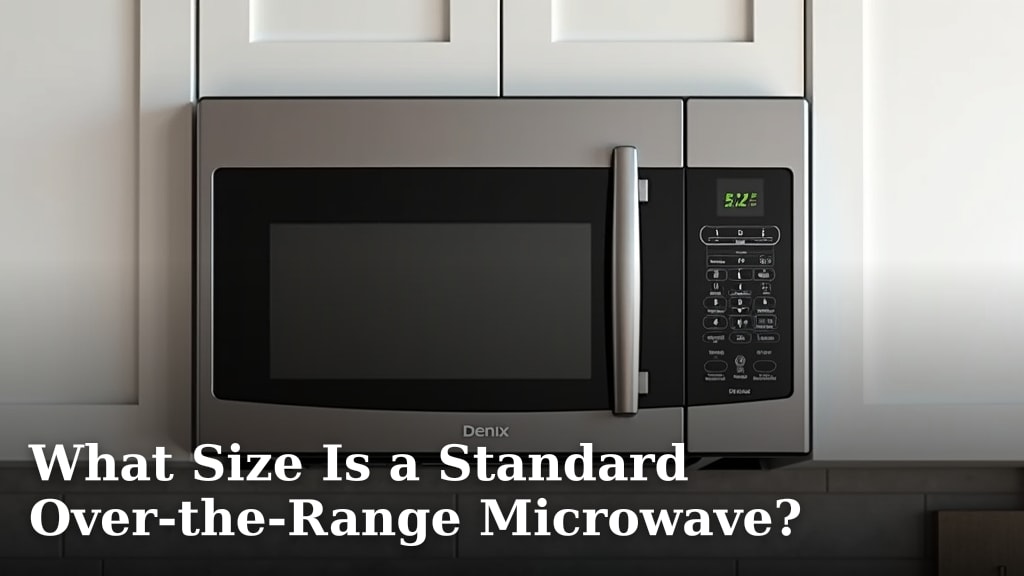
A standard over-the-range microwave typically measures about 30 inches wide, which is the same width as most standard ranges and cooktops. This common size is designed to fit perfectly in the cabinet space above your stove. You’ll also want to consider its depth, which often ranges from 15 to 17 inches.
When choosing an over-the-range microwave, it’s smart to think about more than just width. Height and depth play a big role in how well it fits and how much space you have to work with. Most models are around 16 to 17 inches high If your cabinets are shorter, consider a low-profile over-the-range microwave for a better fit., but some can be taller or shorter. Ensuring you have enough clearance for ventilation is also key for proper function and safety.
- Standard over-the-range microwaves are usually 30 inches wide.
- They are designed to match the width of typical ranges.
- Depth typically falls between 15 and 17 inches.
- Height often averages around 16 to 17 inches.
- Always measure your existing space carefully.
Let’s dive into the details to help you find the perfect fit for your kitchen. We’ll cover the measurements you need and what to look out for.
Finding the Right Dimensions for Your Over-the-Range Microwave
So, you’re ready to pick out a new over-the-range microwave? That’s exciting! These appliances are super handy, acting as both a microwave and a range hood. But before you fall in love with a sleek design, let’s talk about sizes. Getting the right dimensions is key to a smooth installation and a kitchen that functions well.
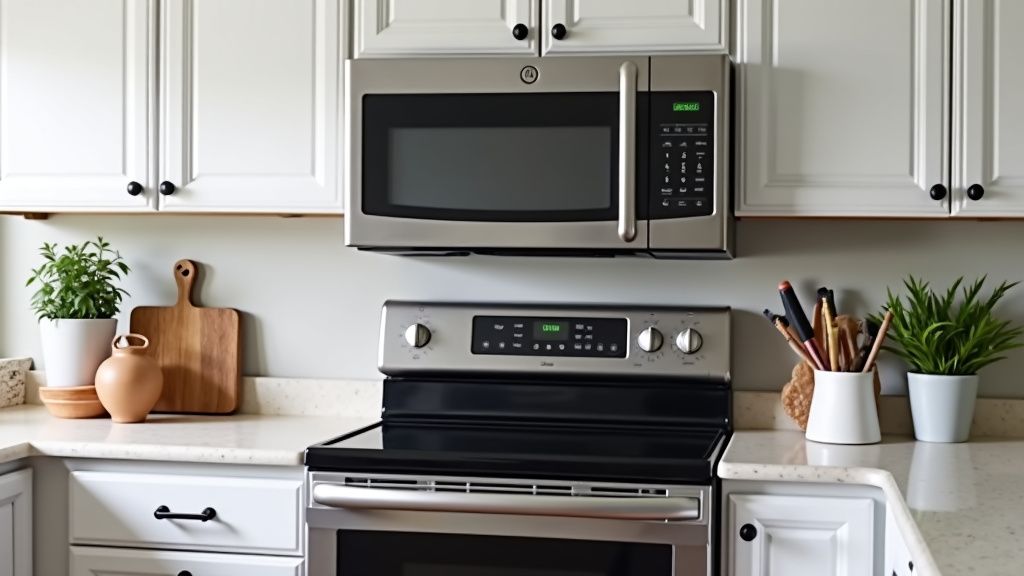
The most common size you’ll see for over-the-range microwaves is 30 inches wide. Think of it like a standard piece of furniture for your kitchen. This width is designed to match most standard ranges and cooktops. It’s a size that fits neatly into the cabinet space built for it.
Understanding the Standard Width: The 30-Inch Rule
When we talk about “standard,” 30 inches wide is the real heavyweight champion for over-the-range microwaves. Why this size? Because it mirrors the width of most conventional electric and gas ranges. This uniformity makes kitchen renovations and appliance replacements much simpler.
Imagine this: you’re replacing an old microwave. If the cabinet opening is 30 inches, a 30-inch wide microwave will likely slot right in. This standardization is a big win for homeowners. It means less guesswork and fewer custom modifications needed.
What About Non-Standard Widths?
While 30 inches is the norm, some kitchens might have different layouts. You might find wider or narrower cabinet spaces. In these cases, you’d be looking at different types of microwave installations, perhaps a countertop model or a built-in unit, rather than an over-the-range style.
It’s rare, but very large or very small kitchens might deviate. If your range is unusually wide, you might need a custom cabinet solution. However, for most standard kitchens, the 30-inch microwave is what you’ll find.
Depth: How Far Will It Stick Out?
Beyond width, depth is another crucial measurement. This tells you how far the microwave will extend from the wall. Most over-the-range microwaves have a depth that ranges from about 15 to 17 inches.
This depth is a careful balance. It needs to be deep enough to hold a decent-sized turntable for cooking. At the same time, it shouldn’t stick out so far that it bumps into your stovetop or makes it hard to use your pots and pans. Think about your own cooking habits. Do you use large casserole dishes? Make sure they’ll fit inside and turn freely.
Countertop Clearance: A Vital Safety Measure
The depth also relates to how much clearance you have above your stove. Most installation guidelines recommend a certain amount of space between the bottom of the microwave and the cooktop. This is for safety and proper ventilation. Many manufacturers suggest at least 13 inches of clearance.
If your current microwave feels too low or too high, it might be an issue of depth and installation. Always check the manufacturer’s manual for specific clearance requirements. This ensures your microwave operates efficiently and safely. It also helps prevent any overheating issues.
Height: Fitting Between Cabinets
Height is often overlooked, but it’s important for fitting the microwave snugly between your upper cabinets. The typical height for an over-the-range microwave is around 16 to 17 inches. This measurement usually applies to the body of the unit itself.
Some models might be slightly taller or shorter, depending on their design and features. For example, a microwave with a more robust ventilation system might have a slightly different height. It’s always best to measure the vertical space you have available in your cabinet opening.
Measuring Your Cabinet Opening Accurately
To get the height right, you’ll need to measure the inside of the cabinet space. Use a tape measure and note down the exact dimensions. Pay attention to any obstructions, like pipes or electrical wiring, that might affect installation. You want the microwave to slide in smoothly without forcing it.
Consider the top and bottom mounting points as well. Some microwaves have a lip or a control panel that extends beyond the main body. This can add a little to the overall height or width. Always read the product specifications carefully. They’ll list the exact external dimensions.
Beyond the Basic Dimensions: What Else to Consider
Now that we’ve covered the standard width, depth, and height, let’s think about a few other things that matter for your over-the-range microwave. These details can make a big difference in your daily kitchen life.
Ventilation Power and Size
Over-the-range microwaves often double as range hoods. This means they have built-in ventilation fans. The fan’s power is measured in CFM (cubic feet per minute). A higher CFM means the fan can move more air, which is great for clearing smoke and cooking odors.
The physical size of the vent itself also matters. Some vents are wider than the microwave body, while others are flush. Make sure the vent aligns with your cooktop below. This ensures it can effectively capture steam and grease. Most standard models have vents designed for typical range sizes.
Capacity and Interior Space
While the external dimensions are fixed by the 30-inch standard, the interior capacity can vary. Microwaves are often measured in cubic feet. You’ll find options ranging from about 1.5 cubic feet to over 2.0 cubic feet.
A larger interior means you can fit bigger items, like a whole turkey or a large roasting pan. If you do a lot of entertaining or cook large meals, you might want to opt for a model with a generous interior. Check the turntable size too; a larger turntable means more even cooking.
Installation Requirements: A Quick Checklist
Getting the measurements right is only part of the battle. Proper installation is crucial for safety and performance. Here’s a quick checklist to keep in mind:
- Measure your existing cabinet opening precisely for width, height, and depth.
- Confirm the required clearance above your cooktop (usually at least 13 inches).
- Check your electrical outlet’s location. It needs to be accessible for the microwave’s plug.
- Note the type of venting you have: recirculating (ductless) or exhausting (ducted).
- Consider the weight of the microwave. You might need help during installation.
- Always refer to the manufacturer’s installation manual for specific instructions.
Comparing Microwave Sizes: A Quick Look
To make it even clearer, let’s put some typical dimensions into a table. This isn’t about specific models, but about the general range you’ll encounter. It helps to visualize how these sizes fit together.
| Dimension | Typical Range | Notes |
|---|---|---|
| Width | 30 inches | Standard for most ranges and cabinet openings. |
| Depth | 15 – 17 inches | How far it sticks out from the wall. |
| Height | 16 – 17 inches | The vertical space the microwave body occupies. |
| Countertop Clearance | Minimum 13 inches | Space needed between microwave bottom and stovetop. |
| Interior Capacity | 1.5 – 2.2+ cubic feet | How much food can fit inside. |
As you can see, the 30-inch width is pretty consistent. The other dimensions offer a little more variation. You can choose based on your specific needs for interior space and your kitchen’s layout.
Conclusion
Finding the right size for your over-the-range microwave boils down to a few key measurements. You’ve learned that 30 inches wide is the standard, designed to fit seamlessly with your range. Remember to also measure depth (typically 15-17 inches) and height (around 16-17 inches) carefully. These dimensions ensure not only a proper fit but also adequate clearance for safe and efficient operation. Before you buy, always double-check your cabinet opening and consult the manufacturer’s specifications. Your next step is to measure your kitchen space, so you can confidently select a microwave that works perfectly for you.
Frequently Asked Questions
Will a 30-inch wide microwave fit my standard range?
Yes, a 30-inch wide over-the-range microwave is specifically designed to match the width of most standard electric and gas ranges. This standardization makes it the most common and easiest size to find for replacement or new kitchen installations.
Can I use a microwave that is slightly wider or narrower than 30 inches?
It’s generally not recommended for over-the-range models. If your cabinet opening is not 30 inches, you might need to consider a different type of microwave installation, like a countertop or built-in model, or consult with a cabinet professional for modifications.
How much clearance do I need between the microwave and my stovetop?
Most manufacturers recommend a minimum clearance of 13 inches between the bottom of the microwave and the cooktop surface. This space is vital for ventilation and safe operation, preventing overheating of the microwave and ensuring efficient range hood function.
What does “depth” mean for an over-the-range microwave?
The depth measurement tells you how far the microwave will stick out from your wall towards your cooking area. Standard depths typically range from 15 to 17 inches, balancing interior cooking space with the need to avoid interfering with your pots and pans on the stovetop.
Are there over-the-range microwaves that are taller than 17 inches?
While 16-17 inches is the most common height, some models might be slightly taller, especially those with more powerful ventilation systems or unique designs. Always measure your cabinet opening’s vertical space and check the product specifications to ensure a good fit.