How Many Amps Does an Over-the-Range Microwave Use?
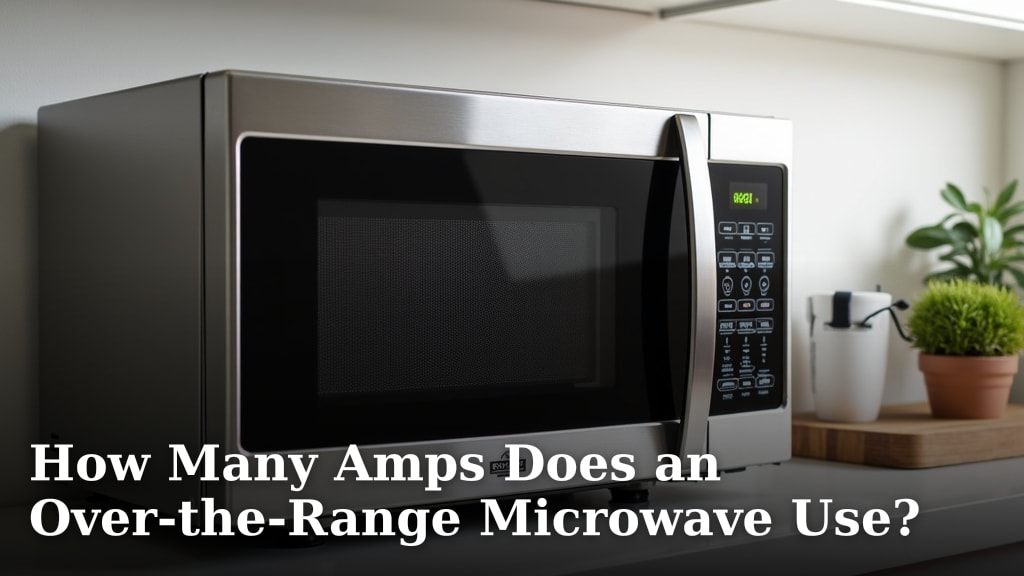
An over-the-range microwave typically uses between 10 to 20 amps. This range depends on several factors, including the microwave’s wattage and whether it’s also using its built-in vent fan. For most households, a standard 15-amp circuit is usually sufficient to power your microwave safely.
Understanding your microwave’s amperage needs is important for preventing tripped breakers and ensuring your kitchen appliances get the right amount of power. You’ll want to make sure the circuit you plug it into can handle its draw, especially if other appliances are on the same circuit. Most standard kitchen circuits are rated for 15 or 20 amps.
- Microwaves generally need 10-20 amps.
- Higher wattage microwaves use more amps.
- The vent fan can add to the amp draw.
- A 15-amp circuit is often enough.
- Check your home’s wiring for safety.
Let’s break down exactly what that means for your kitchen and how to keep things running smoothly. Our guide to a low-profile over-the-range microwave explains how it fits in tighter spaces.
Understanding Your Over-the-Range Microwave’s Power Needs
So, you’re curious about how much electricity your over-the-range microwave uses, right? It’s a common question! Knowing this helps you avoid those annoying tripped circuit breakers. Most of these handy kitchen helpers draw between 10 and 20 amps. This isn’t a fixed number; it can change based on a few things.
Think of amps like the “flow” of electricity. The higher the amps, the more electricity your appliance needs to run. Your microwave is no different. Its power consumption depends largely on its wattage. Higher wattage means more power, and more power means a higher amp draw.
We’ll walk you through what affects this number and what it means for your home’s electrical setup. You want to make sure your kitchen is powered safely and efficiently. After all, who wants to stop mid-cook because a breaker popped?
Wattage: The Biggest Factor in Amp Draw
When you look at microwave specs, you’ll often see wattage listed. This tells you how powerful the microwave is. A microwave with a higher wattage will naturally need more amperage to operate.
For example, a smaller, less powerful microwave might only need about 700-800 watts. This could translate to a draw around 8-10 amps. On the other hand, a larger, high-wattage model, say 1200-1500 watts or more, might pull closer to 15-20 amps.
It’s like comparing a small car engine to a large truck engine. Both get the job done, but the bigger engine needs more fuel. Your microwave’s wattage is its “engine size.”
Standard Wattage Ranges and Their Amperage
We found that most over-the-range microwaves fall into a few common wattage categories. Here’s a general idea of what that means for amperage:
| Microwave Wattage | Typical Amp Draw (Approximate) |
|---|---|
| 700 – 900 Watts | 8 – 12 Amps |
| 900 – 1200 Watts | 10 – 15 Amps |
| 1200+ Watts | 12 – 20 Amps |
Remember, these are just averages. Always check your microwave’s user manual for the exact specifications. That’s the most reliable source for your specific model’s needs.
The Role of the Vent Fan and Lights
Many over-the-range microwaves come with built-in vent fans and cooktop lights. These features add to the overall electrical load, though usually not by a huge amount.
When you turn on the vent fan, it requires electricity to run the motor. The stronger the fan speed, the more power it will use. Similarly, the cooktop lights need a small amount of power. While they use less energy than the microwave itself, they do contribute to the Learn what the cooktop lights under your microwave are called and how they work.total amperage draw.
So, if your microwave is actively heating food and you simultaneously have the vent fan on high, the total amps being pulled from the circuit will be higher than if the microwave was just idling or the fan was off. It’s a good idea to be mindful of when you’re using these features together.
How Much Do These Extras Add?
Generally, the vent fan and lights might add an extra 1 to 3 amps to the microwave’s draw. This is typically a small addition compared to the main cooking function.
However, if your microwave is already pushing the limits of a circuit, adding the fan or lights could be the “straw that breaks the camel’s back,” leading to a tripped breaker. We found that users often don’t consider these extra features when assessing power needs.
Understanding Your Home’s Circuit Breakers
Your home’s electrical system uses circuit breakers to protect against overloads. These breakers are designed to “trip,” or shut off the power, if too much electricity is drawn through a circuit. This prevents overheating and potential fires.
Kitchen circuits are typically wired with 15-amp or 20-amp breakers. Most standard appliances, like toasters, coffee makers, and even many microwaves, are designed to work within these limits.
The goal is to ensure that the appliance’s amp draw is less than the circuit breaker’s rating. Ideally, you want some “headroom” so you don’t constantly trip the breaker. What happens if you plug in a high-wattage microwave on a circuit that already has other appliances running?
Matching Your Microwave to the Right Circuit
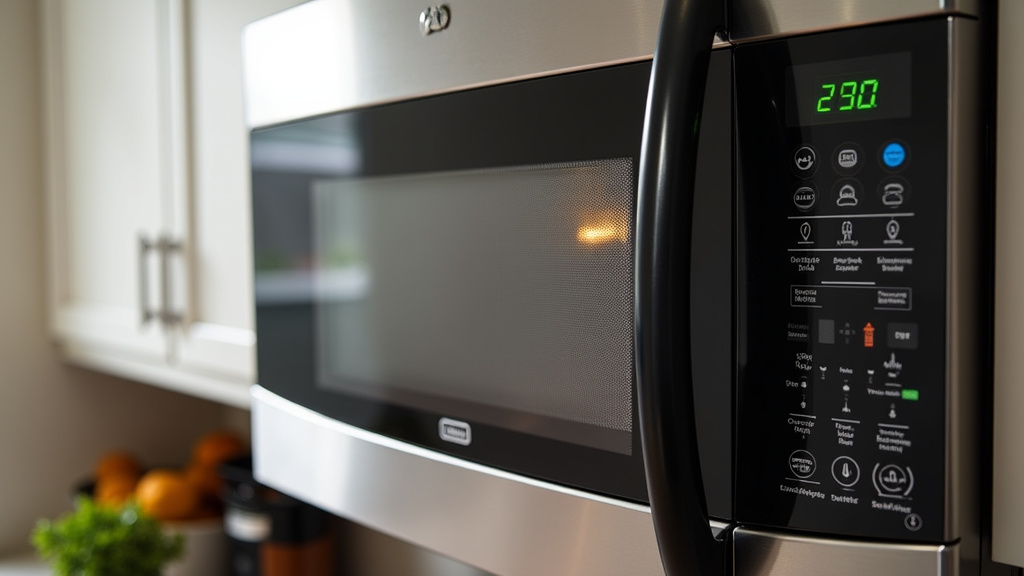
Many experts recommend that high-draw appliances like microwaves should ideally be on their own dedicated circuit. This means that the circuit breaker only serves that one appliance. This is especially true for microwaves over 1000 watts.
A 15-amp circuit is often sufficient for many microwaves, especially if it’s the only major appliance on that circuit. However, if you have a powerful microwave and other kitchen appliances (like a refrigerator or a powerful blender) on the same circuit, you might find yourself needing a 20-amp circuit.
A 20-amp circuit provides more capacity, making it less likely for a breaker to trip when multiple appliances are used simultaneously. Always check the breaker box to see what each circuit is rated for. It’s usually labeled clearly on the breaker itself.
Are Dedicated Circuits Really Necessary?
While not every home has dedicated circuits for every appliance, it’s best practice for high-usage items. For an over-the-range microwave, a dedicated circuit is a good idea, particularly for newer, more powerful models.
Why? Because microwaves cycle their heating elements. They don’t draw a constant, steady amount of power like a refrigerator does. This cycling can create peaks in power demand. If your circuit is already near its limit, these peaks can cause it to trip.
We found that many homeowners experience fewer electrical issues when their microwave, especially a high-wattage one, is connected to a circuit with fewer other appliances sharing the load. It offers peace of mind.
What to Look For on Your Breaker Panel
Locating your home’s main electrical panel is the first step. Once you find it, you’ll see a series of switches, which are your circuit breakers. Most panels have labels indicating which rooms or circuits they control.
Look for labels like “Kitchen,” “Counter Outlets,” or specific appliance labels. The breaker itself will often have a number printed on it, indicating its amperage rating (e.g., 15, 20). If you’re unsure, it’s always best to consult with a qualified electrician.
Trying to figure out your electrical setup can feel like detective work! We want to make sure you’re armed with the right information.
Tips for Preventing Tripped Breakers
Keeping your kitchen running smoothly often comes down to a few simple habits. You want to avoid that sudden darkness and the need to reset a breaker.
Here are some practical tips to help ensure your over-the-range microwave operates without causing electrical disruptions:
- Check your microwave’s manual for its specific amp and wattage requirements.
- Identify the circuit your microwave is plugged into.
- Note other appliances that share the same circuit.
- Avoid running high-heat appliances (like toaster ovens or electric griddles) on the same circuit simultaneously.
- Consider the vent fan and lights – turn them off if you suspect you’re nearing your circuit’s limit.
- If breakers trip frequently, it’s time to consult an electrician about potentially upgrading your wiring or adding a dedicated circuit.
By understanding the power demands of your microwave and your home’s electrical capacity, you can make informed decisions. It ensures your kitchen appliances work efficiently and safely. You’re making sure your kitchen keeps up with your culinary adventures!
Conclusion
You now know that your over-the-range microwave likely uses between 10 and 20 amps, with wattage being the main driver of this demand. Don’t forget that the vent fan and lights can add to this. For most kitchens, a standard 15-amp circuit is often enough, but a 20-amp circuit offers more breathing room, especially for high-wattage models or when other appliances are in use.
Your next step is to check your microwave’s manual for its exact needs and then take a look at your breaker panel. This will help you ensure your kitchen’s electrical setup is safe and ready for your cooking needs.
Frequently Asked Questions
What is the average amp draw for a typical over-the-range microwave?
Most over-the-range microwaves typically draw between 10 to 20 amps. This range can shift depending on the microwave’s wattage. Higher wattage models will naturally use more amps to operate.
Does the vent fan on my microwave increase its amp usage?
Yes, the vent fan and cooktop lights do add to the total electrical load. While they don’t use as much power as the main heating function, they can contribute an extra 1 to 3 amps. Be mindful of this when using multiple features together.
Can I plug my microwave into the same outlet as other kitchen appliances?
It’s best to check your circuit breaker’s rating. Many microwaves can share a 15-amp or 20-amp circuit with other smaller appliances. However, running high-draw appliances like a toaster oven or electric griddle at the same time might cause a breaker to trip.
How do I know if my microwave needs its own dedicated circuit?
If you have a high-wattage microwave (often 1200 watts or more) or if your breaker trips frequently, a dedicated circuit is a good idea. This ensures your microwave gets enough power without overloading the circuit shared by other devices.
Where can I find the exact amperage information for my specific microwave model?
The most reliable place to find your microwave’s exact power requirements is in its user manual. You can also often find a model and specification sticker on the microwave itself, usually inside the door or on the back.