How Much Space Is Needed Between the Microwave and the Wall?
You need about 3 inches of clearance behind your microwave and 1 inch on the sides. This space allows for proper air circulation. Overheating can damage your microwave and become a fire hazard. Always check your microwave’s instruction manual for specific recommendations.
Proper ventilation is key to your microwave’s safety and longevity. Without enough space, heat can build up inside. This can affect its performance and even shorten its lifespan. Many sources, like appliance manufacturers and safety organizations, stress the importance of these clearances. Your kitchen design should account for these needs.
- Microwaves need space to breathe.
- Aim for 3 inches behind and 1 inch on the sides.
- This prevents overheating and potential fire risks.
- Always consult your microwave’s manual for exact specs.
- Proper airflow keeps your appliance working well.
Let’s walk through exactly why these spaces are important and how they keep your microwave safe and sound.
Giving Your Microwave Room to Breathe
You’ve got your new microwave, or maybe you’re just rearranging your kitchen. You’re wondering, “How much space does this thing actually need between it and the wall?” It’s a fair question! It might seem like a small detail, but giving your microwave the right amount of breathing room is **super important** for its performance and your safety.
The short answer? Most microwaves need about **3 inches of clearance behind them** and at least **1 inch on the sides**. This isn’t just a suggestion; it’s a requirement for safe operation. Think of it like giving your car some space in a parking spot. You don’t want to be jammed in, right? Your microwave feels the same way.
Why Ventilation Matters So Much
So, why all the fuss about space? It boils down to one word: **heat**. Microwaves generate heat during operation, and not just from the food you’re cooking. The internal components also get warm. If there’s no place for that heat to escape, it gets trapped.
The Dangers of Trapped Heat
When heat can’t escape, the microwave starts to overheat. This is like trying to run a marathon in a wool sweater on a hot day. Your appliance will struggle, and eventually, it can lead to damage. We found that overheating can:
- Reduce the microwave’s lifespan. Components may wear out faster.
- Cause performance issues. It might not heat food evenly or efficiently.
- Create a safety hazard. In extreme cases, it can be a fire risk.
How Microwaves Get Rid of Heat
Your microwave has vents designed specifically to let hot air out. These vents are usually located on the back or sides of the unit. They allow cooler air to enter and draw hot air away. If these vents are blocked by a wall or cabinet, the air can’t circulate properly. It’s like trying to breathe through a pillow.
Many appliance manufacturers, like Whirlpool and GE, specify these clearances in their manuals. Safety organizations, such as the Consumer Product Safety Commission (CPSC), also recommend adequate space for ventilation. This advice is based on extensive testing and understanding of how these appliances work.
Standard Clearance Recommendations Explained
While always check your specific model’s manual, there are general guidelines that cover most microwaves. These are the numbers you’ll see most often when looking at installation instructions.
Rear Clearance: The 3-Inch Rule
The space needed at the back of your microwave is typically the largest. Experts generally recommend at least **3 inches of clearance behind the unit**. This is where many of the cooling vents are located. This space allows for a good flow of air to exit the appliance.
Imagine a chimney. If it’s blocked at the top, smoke can’t escape. The same principle applies here. That 3-inch gap ensures that the hot air produced by the microwave’s magnetron and other components can vent freely. This prevents heat from building up inside the casing.
Side Clearance: The 1-Inch Minimum
On the sides of the microwave, you’ll usually need a bit less space. A minimum of **1 inch of clearance on each side** is commonly advised. This allows for air to move around the unit and also helps prevent heat from radiating directly into adjacent cabinets or walls.
While 1 inch is the minimum, some manufacturers might suggest more, especially if the microwave is installed in a tight nook. It’s always better to have a little extra space if possible. Think of it as giving your appliance a comfortable amount of elbow room.
Top Clearance: Another Ventilation Point
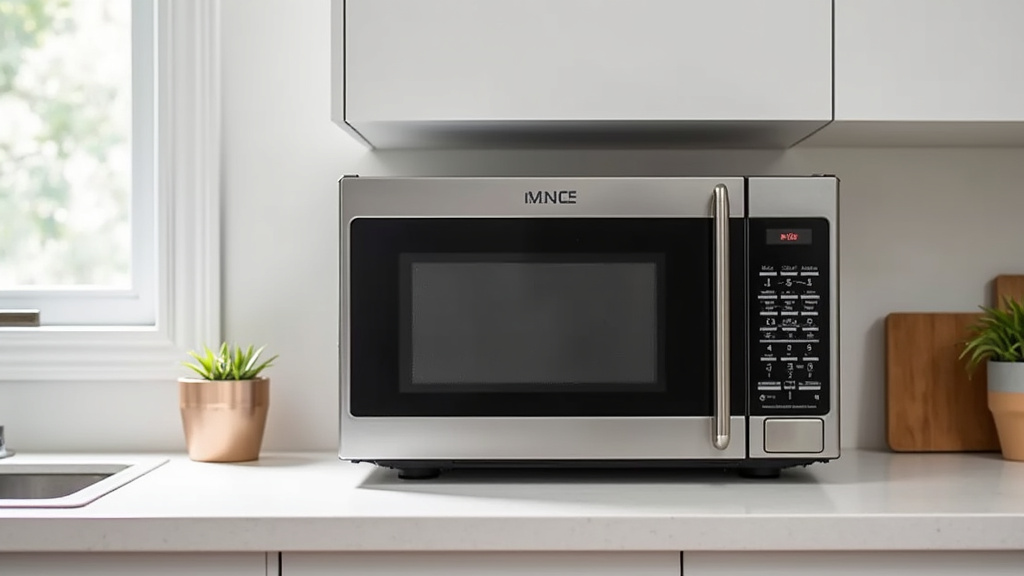
Don’t forget the top! While often less restrictive than the back, some clearance is usually needed here too. Often, if your microwave is placed on a countertop, the ceiling or overhead cabinet provides this. If it’s installed in a built-in niche, check the manual for specific top clearance requirements. This area can also have vents.
What About Over-the-Range Microwaves?
Microwaves installed over your range have different installation requirements because they are designed to be vented differently. They often connect to an external duct system to remove smoke and cooking odors from your kitchen. Their clearance needs are usually dictated by the height needed above the cooktop for safety. If you have limited vertical space, a low-profile over-the-range microwave might be a solution; learn more about these models.
Height Above Cooktop
For over-the-range models, the primary clearance concern is the distance between the bottom of the microwave and the cooktop surface. This is typically specified by the manufacturer, but common recommendations range from **24 to 30 inches**. This height is crucial to prevent the microwave from being exposed to excessive heat from the stovetop burners.
Back and Side Clearance for OTR Models
Even over-the-range models need some space behind and on the sides. They are often mounted directly to cabinetry or wall studs. The manufacturer’s installation guide will detail how much space is needed between the back of the microwave and the wall it’s mounted against, as well as any required gaps between the microwave and adjacent cabinets. This still aids in internal component cooling.
Factors That Might Require More Space
The standard numbers are a good starting point, but sometimes you might need to give your microwave even more room. Several factors can influence this.
Kitchen Design and Cabinetry
If you have custom cabinetry or a very tight kitchen layout, you might need to be extra mindful. Building a microwave into a deep cabinet can trap heat more effectively than if it’s sitting on an open countertop. Always ensure that any cabinets are designed with ventilation in mind, perhaps with built-in vents or larger openings.
Microwave Wattage and Type
Higher wattage microwaves often generate more heat. While manufacturers account for this in their designs, providing a bit more space can’t hurt. Similarly, older models or certain types of microwaves might have different cooling needs. Your appliance manual is your best friend here.
Ambient Kitchen Temperature
If your kitchen tends to get very hot, especially near other heat-generating appliances like ovens or dishwashers, this can impact your microwave’s ability to cool itself. In such environments, ensuring maximum recommended clearance is a wise choice.
What Happens If You Don’t Have Enough Space?
Let’s talk about the consequences. Ignoring these clearance guidelines can lead to a range of problems, from minor annoyances to serious safety issues.
Reduced Performance and Lifespan
As we’ve touched on, trapped heat is the enemy of electronics. Your microwave’s components, especially the magnetron (the part that actually creates the microwaves), can overheat. This can lead to them malfunctioning or failing prematurely. Your food might start taking longer to heat, or it might not heat evenly anymore.
Potential Fire Hazard
This is the most serious concern. When plastic components or internal wiring overheat, they can degrade. In extreme cases, this degradation can lead to melting or even ignition. While rare, appliance fires caused by poor ventilation are a real risk. The National Fire Protection Association (NFPA) has data on appliance-related fires, and proper installation is always a factor.
Think of it like a laptop. If you block its cooling vents, it overheats, slows down, and eventually might shut itself off to prevent damage. Your microwave is similar, but with a higher potential for danger if ignored.
Checking Your Specific Microwave’s Manual
We’ve given you general rules, but your microwave is unique. The single most reliable source of information is its **instruction or installation manual**. Manufacturers design and test their appliances, and they know exactly what they need to operate safely and efficiently.
If you can’t find your physical manual, don’t worry! Most manufacturers have their manuals available for download on their websites. Just search for your microwave’s model number. Look for sections titled “Installation,” “Safety Precautions,” or “Specifications.” You’ll find the exact clearance requirements there.
Quick Checklist for Proper Microwave Spacing
To make sure you’ve got it right, here’s a quick rundown:
- Confirm your microwave’s model number.
- Locate and review the owner’s manual for clearance specs.
- Measure the required space for the back (usually 3 inches).
- Measure the required space for the sides (usually 1 inch).
- Note any specific top or front clearance requirements.
- Ensure vents are completely unobstructed.
Taking these simple steps ensures your microwave stays safe, works its best, and lasts as long as it should. It’s a small effort for a lot of peace of mind.
Conclusion
Ensuring your microwave has adequate space around it is more than just a recommendation; it’s essential for safety and performance. Remember, the general guidelines of 3 inches behind and 1 inch on the sides help prevent overheating. This airflow is critical to protect your appliance from damage and to avoid potential fire hazards. Always prioritize checking your specific microwave’s instruction manual for its unique clearance needs. By giving your microwave the space it needs to breathe, you ensure it operates efficiently and safely for years to come. It’s a simple step that offers significant peace of mind in your kitchen.
Frequently Asked Questions
What’s the worst that can happen if my microwave doesn’t have enough space?
If your microwave is too close to the wall, trapped heat can cause its components to overheat. This can lead to reduced performance, such as uneven heating, and significantly shorten the appliance’s lifespan. In extreme cases, this overheating can pose a fire risk.
Can I use a microwave if the vents are partially blocked?
It’s strongly advised not to use your microwave if its vents are blocked. Even partial blockage can restrict airflow, leading to heat buildup. This can still cause performance issues and increase the risk of damage or overheating over time.
Do different types of microwaves have different space requirements?
Yes, they can. While countertop models generally follow the 3-inch rear and 1-inch side rules, over-the-range (OTR) microwaves have different needs, especially regarding height above the cooktop. Always refer to your specific model’s manual for accurate installation requirements.
What if my kitchen layout is very tight?
If your kitchen design makes it challenging to meet standard clearance requirements, explore custom solutions. Consider built-in cabinetry with integrated ventilation or ensure there’s at least the minimum recommended space for airflow. When in doubt, consult the manual or a professional installer.
How can I find my microwave’s instruction manual if I lost it?
Most manufacturers provide digital copies of their manuals on their websites. Search for your microwave’s brand and model number online. You should be able to find a downloadable PDF version under the support or product documentation section.