What Is a 30 Inch Over-the-Range Microwave?
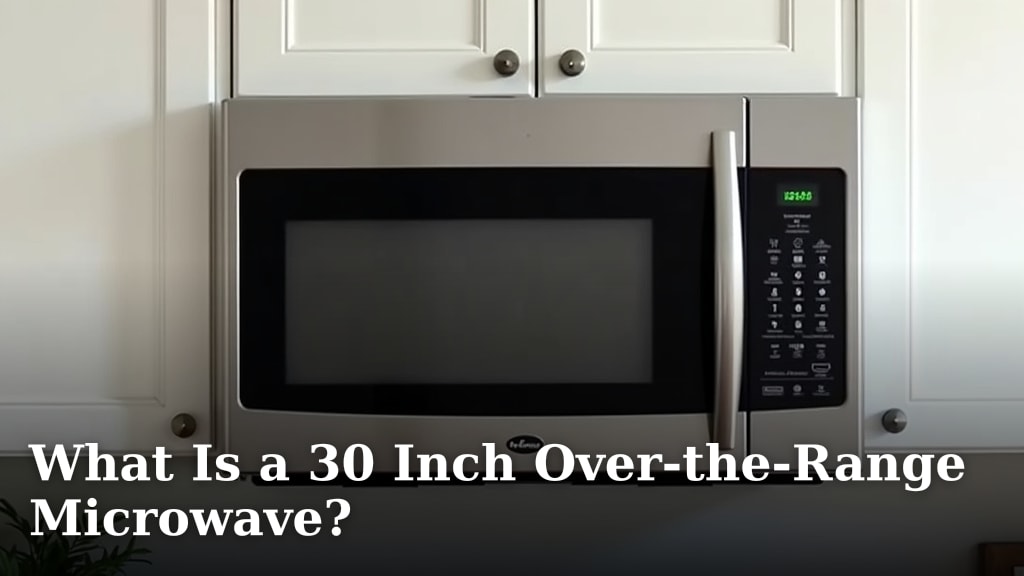
A 30-inch over-the-range microwave is a kitchen appliance that combines the functions of a microwave oven with a range hood. It is designed to be mounted above your stovetop, saving valuable counter space. This type of microwave typically measures 30 inches in width, fitting standard cabinet openings.
These units are a popular choice for many homeowners because they offer a two-in-one solution. You get convenient microwave cooking and a ventilation system to remove smoke and odors from your kitchen. Many models also include features like convection cooking or warming drawers, adding versatility.
- Measures 30 inches wide to fit standard cabinets.
- Combines microwave cooking and range hood ventilation.
- Saves countertop space by mounting above the stove.
- A practical choice for many kitchens.
Let’s dive into what makes a 30-inch over-the-range microwave a smart addition to your kitchen and what you should consider when choosing one.
Understanding the 30-Inch Over-the-Range Microwave
A 30-inch over-the-range microwave is more than just a kitchen appliance; it’s a space-saving marvel. It cleverly combines the convenience of microwave cooking with the utility of a range hood. Imagine a single unit that handles your reheating needs and whisks away cooking fumes. That’s exactly what this appliance offers. It’s designed to fit neatly above your cooktop, becoming a central part of your kitchen setup without taking up precious counter space.
When we talk about a “30-inch” microwave, we’re referring to its standard width. This size is made to fit into the typical cabinet opening found in most kitchens. This means it’s a highly practical choice for many homeowners, especially those looking to maximize their kitchen’s efficiency and appearance. It’s a common denominator for many kitchen renovations and new builds for good reason.
The Dual Functionality: Microwave and Ventilation
The primary appeal of an over-the-range microwave lies in its dual functionality. You get a fully-fledged microwave oven and a ventilation system all in one. This eliminates the need for separate appliances, which is a big win for kitchens where space is at a premium.
Microwave Cooking Power
As a microwave, these units perform all the tasks you’d expect. You can reheat leftovers quickly, defrost frozen foods, and cook a variety of dishes. Most models offer various power levels and preset cooking options for common foods like popcorn or potatoes. This makes everyday cooking tasks much faster and more convenient. You’re essentially getting a standard microwave oven with added benefits.
Range Hood Ventilation Systems
The range hood function is just as important. When you’re cooking on the stovetop, smoke, steam, and cooking odors can fill your kitchen. An over-the-range microwave includes a built-in fan to pull this air away. This fan can typically vent air in two ways: either out of your home through an external duct system or recirculating it through a filter.
External Venting
External venting is generally the most effective. It directs all the air and particles outside your home. This is ideal for removing grease, smoke, and strong smells. If your kitchen has existing ductwork for ventilation, this is usually the best option for clean air quality. Many experts recommend this method for optimal removal of airborne contaminants (CDC).
Recirculating (Ductless) Venting
For kitchens without external ducting, recirculating ventilation is the solution. The fan pulls air through a filter, typically charcoal or mesh, to trap grease and odors. The filtered air is then returned to the kitchen. While not as powerful as external venting, it’s a much-needed improvement over no ventilation at all. You’ll need to replace or clean these filters regularly for them to work effectively.
Key Features to Look For
Beyond the basic microwave and ventilation, many 30-inch over-the-range models come with a range of features. These can significantly enhance their utility and your cooking experience. Thinking about what you cook most often can help you choose wisely.
Capacity and Interior Space
Microwave capacity is measured in cubic feet. For a 30-inch over-the-range model, you’ll typically find capacities ranging from about 1.7 to 2.2 cubic feet. This is usually ample space for most common kitchen tasks, like fitting a large casserole dish or a 9×13-inch baking pan. It’s always a good idea to check the interior dimensions if you have specific large items you plan to microwave.
Wattage and Cooking Speed
Microwave wattage determines its cooking power and speed. Most over-the-range models range from 900 to 1200 watts. Higher wattage means faster cooking times. If you’re someone who heats things up quickly or often, a higher wattage model might be more appealing. For simpler reheating tasks, 900-1000 watts is often sufficient.
Advanced Cooking Options
Some models offer more than just basic microwave functions. You might find:
- Convection Cooking: This feature turns your microwave into a small convection oven. It circulates hot air for crispier results, perfect for baking or roasting small items.
- Sensor Cooking: These sensors detect the humidity released by food and automatically adjust cooking time and power. This helps prevent overcooking or undercooking.
- Warming Features: Some microwaves have a dedicated “keep warm” setting, ideal for holding dishes at serving temperature until everyone is ready to eat.
- Two-Stage Cooking: This allows you to set a defrost cycle followed immediately by a cooking cycle without needing to re-enter settings.
Ventilation Power (CFM)
The power of the range hood fan is measured in cubic feet per minute (CFM). For a 30-inch over-the-range unit, CFM ratings typically fall between 300 and 400 CFM. Higher CFM means the fan can move more air, which is better for clearing out smoke and odors, especially if you do a lot of high-heat cooking like searing or stir-frying. Check if your kitchen’s ventilation needs match the CFM offered.
Lighting and Controls
Look at the lighting above your cooktop. Most models include a built-in light. Some have brighter LED options, which can be a nice upgrade. The control panel is also important. Some have physical buttons, while others use sleek touch panels. Consider which type you find easier to use and clean. We found that touch panels can be trickier to use with wet hands.
Installation Considerations
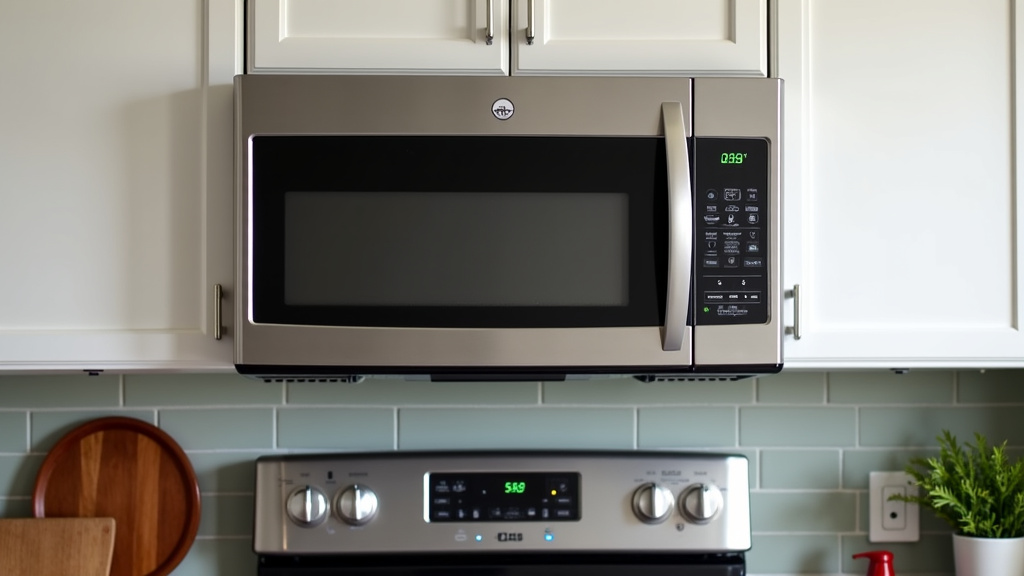
Installing an over-the-range microwave is a bit more involved than plugging in a countertop model. It requires mounting it securely to the wall cabinets and, if you’re using external venting, connecting it to ductwork.
Mounting Height and Clearance
Proper installation ensures the microwave is safe and effective. The standard height for mounting is usually 54 inches from the floor to the bottom of the microwave. This measurement can vary slightly depending on your ceiling height and cooktop type. It’s important to have enough clearance above your cooktop for safe cooking and ventilation.
Electrical Requirements
These appliances require a dedicated electrical circuit. Most run on a 120-volt outlet. Ensure you have the correct outlet installed in the appropriate location. If you’re unsure, it’s always best to consult with a qualified electrician. This is a safety measure we always recommend.
Venting Setup
If you opt for external venting, the installation involves running ductwork from the microwave to the outside of your home. This can be a DIY project for some, but it often requires professional help, especially if you need to cut through walls or ceilings. For recirculating models, installation is simpler as it mainly involves fitting the filters.
Choosing the Right 30-Inch Over-the-Range Microwave for You
With so many options available, how do you pick the perfect one? It comes down to understanding your kitchen’s needs and your cooking habits. Here’s a quick checklist to guide your decision:
- Measure your cabinet opening to ensure a 30-inch width will fit.
- Assess your ventilation needs – do you need external ducting or will recirculating work?
- Consider your typical cooking tasks to determine required wattage and capacity.
- Decide which extra features, like convection or sensor cooking, would be most useful.
- Set a budget, as prices can range significantly based on features and brand.
- Read reviews to see what other users say about performance and reliability.
By focusing on these points, you can confidently select a 30-inch over-the-range microwave that will serve your kitchen well for years to come. It’s a smart investment for saving space and improving your cooking experience.
Conclusion
You’ve learned that a 30-inch over-the-range microwave is a smart, space-saving appliance. It efficiently combines microwave cooking with essential kitchen ventilation. Understanding its dual functions, key features like capacity and wattage, and proper installation can help you make the best choice. By considering your specific kitchen needs and cooking habits, you can select a model that enhances both your kitchen’s functionality and your cooking experience. Now, take the next step by measuring your space and comparing models based on what you’ve learned.
Frequently Asked Questions
Can I install an over-the-range microwave if I don’t have existing ductwork?
Yes, you can. Many over-the-range microwaves offer recirculating (ductless) ventilation. This system uses filters to clean the air before returning it to your kitchen. You will need to replace or clean these filters regularly for effective odor and grease removal.
How much space is inside a typical 30-inch over-the-range microwave?
You can generally expect an interior capacity of about 1.7 to 2.2 cubic feet. This is usually enough room for common items like a large casserole dish or a standard 9×13-inch baking pan. Always check the specific interior dimensions if you plan to microwave oversized dishes.
What’s the difference between external venting and recirculating ventilation?
External venting pushes smoke, steam, and odors outside your home using ductwork, making it more effective. Recirculating ventilation filters the air and releases it back into the kitchen, which is a good option if external venting isn’t possible but requires regular filter maintenance.
How powerful is the fan in an over-the-range microwave?
The fan’s power is measured in CFM (cubic feet per minute), with most 30-inch models ranging from 300 to 400 CFM. A higher CFM rating means the fan can clear more air, which is beneficial if you frequently cook foods that produce a lot of smoke or strong odors.
Do I need professional help to install an over-the-range microwave?
While some installation steps can be DIY, it’s often best to consult a professional. This is especially true if you need to install external ductwork. Electricians can also ensure the unit has a dedicated circuit for safe operation. Proper installation guarantees the appliance functions correctly and safely.