Air Fryer vs Microwave: Which Fits Your Cooking Needs? (October 2026)
Choose a microwave for fast heating and an air fryer for crisp texture. If you want both in one appliance, compare a microwave air fryer combo with separate units.
On this page (9 sections)
- Air Fryer vs Microwave: Which Fits Your Cooking Needs?
- Air fryer vs microwave: how do the heating methods differ?
- Which appliance is better for everyday meals?
- How do the results compare for crispness and moisture?
- Which one is easier to use for specific foods?
- Should you buy separate appliances or a combo?
- Which appliance suits a small kitchen?
- Which air fryer or microwave option fits your routine?
- What is the simple decision rule for air fryer vs microwave?
Air Fryer vs Microwave: Which Fits Your Cooking Needs?
Choose a microwave for fast heating and an air fryer for crisp texture. In an air fryer vs microwave comparison, the right choice depends on what you cook, how quickly you need it and whether you want food browned or simply hot.
A microwave oven uses microwave energy to heat food. An air fryer uses a heating element and fan to move hot air around food, which can brown and crisp its surface.
For everyday flexibility, consider a combo appliance if you want both functions without keeping two separate machines. Our scores weigh features and fit for this cooking comparison; they don't come from product research alone.

 Best for one appliance with several modes
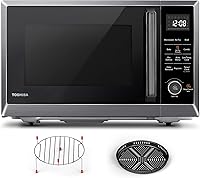
BLACK+DECKER 5-in-1 Microwave Oven Air Fryer Combo
Air fryer vs microwave: how do the heating methods differ?
Microwaves heat food with microwave energy, while air fryers cook with circulating hot air. That difference explains why the appliances often produce different textures.
Microwave energy heats water and other molecules in food. It works well for warming leftovers, melting ingredients and cooking foods that benefit from moisture, but it doesn't produce the same dry, browned surface as hot air.
An air fryer warms its cooking chamber and circulates air around food. The moving heat can dry and brown the outside, which is why it often suits fries, nuggets and other foods where surface texture matters.
Are air fryers microwaves?
No, a standard air fryer is not a microwave. They use different heating methods and serve different everyday tasks.
Some countertop appliances combine microwave and air fry modes. For example, the BLACK+DECKER model has microwave, air fry, combi, bake and roast functions, while the Ninja® Crispi™ combines microwave and air fry cooking with its FusionCrisp feature.
Check the modes carefully when shopping. An air fryer with a reheat program still doesn't become a microwave unless it includes a microwave function.
Which appliance is better for everyday meals?
Choose a microwave for quick warming and an air fryer for crisping or browning. Think about the foods you prepare most often rather than treating one appliance as a replacement for every cooking task.
A microwave is useful for reheating a bowl of leftovers, warming a drink or cooking a microwave-friendly meal. Its enclosed cooking space and presets can make common tasks straightforward.
An air fryer works well for foods that benefit from hot air moving around them. A basket model can cook vegetables, wings or fries, and many models also roast, bake or reheat.
If you want a more detailed breakdown of the microwave option, read What Is Convection Cooking in a Microwave?. Convection uses hot air to cook and brown food, adding an oven-style function to some microwave ovens.
What works better for leftovers?
Use a microwave when you want leftovers hot quickly; use an air fryer when you want to refresh a crisp surface. The best method depends on the meal.
Rice, soup and saucy dishes usually suit microwave reheating because moisture is part of the meal. Stir when appropriate and heat in short intervals to reduce cold spots.
Pizza, fries and breaded foods can lose their crispness in a microwave. An air fryer can help bring back surface texture, though you may need to adjust the time for the portion and appliance.
A sensor feature can simplify some microwave tasks. Learn [What Is Sensor Cooking on a Microwave?
How It Works](/what-is-sensor-cooking-on-a-microwave/).
Read the guide before deciding whether that feature would help with your routine.
How do the results compare for crispness and moisture?
Air fryers are the better fit for a crisp outside, while microwaves are better for warming food without drying its edges. Neither result is ideal for every meal.
A microwave can make breaded food soft or chewy because it doesn't circulate dry heat across the surface. Covering food can help retain moisture, but it won't create a fried texture.
An air fryer can brown the outside while the inside heats. Smaller portions often leave more room for air to move, but check the recipe guidance and avoid overcrowding the basket.
Combo appliances can pair microwave heating with a finishing air fry step. The Ninja® Crispi™ uses FusionCrisp to start with microwaving and automatically finish with air frying, which is designed to move frozen food toward a crisp result.
Which one is easier to use for specific foods?
Match the appliance to the food's texture and cooking needs. A microwave suits moist foods and quick warming; an air fryer suits foods that benefit from a browned exterior.
For vegetables, either can work depending on the outcome you want. Microwave cooking can soften vegetables quickly, while an air fryer can roast them with more surface browning.
For a simple side, try microwave corn on the cob when you want a quick microwave method. Use an air fryer for foods where a drier surface is part of the appeal, such as fries or breaded snacks.
A microwave with an inverter may also help with steady power delivery at lower settings. See our guide to the best inverter microwave oven if defrosting or gentle heating is an important part of your routine.
Should you buy separate appliances or a combo?
Choose separate appliances if you want to use microwave and air fry cooking at the same time; choose a combo if counter space and one appliance matter more. Both options involve tradeoffs.
A separate microwave and air fryer let you prepare different foods at once. That can help when one dish needs quick microwave heating while another needs air circulation and browning.
A combo takes up one appliance space and can switch between cooking modes. The BLACK+DECKER 5-in-1 model combines microwave, air fry, combi, bake and roast modes in a 0.9 cu ft countertop unit.
The Ninja® Crispi™ has microwave presets, air fry presets and FusionCrisp cooking. Its flatbed design has no turntable, and the included glassware is required for air fry and FusionCrisp functions.
For a wider look at best microwave air fryer combo choices, compare the cooking functions and interior layout. If toasting is also on your list, this guide to an air fryer toaster oven microwave combo explains the extra functions to consider.
Can a microwave air fryer combo replace two appliances?
A combo can cover both jobs, but it may not let you do both jobs at once. Check whether its capacity, modes and included cookware fit the meals you make.
A separate air fryer can offer multiple baskets or a larger cooking area, while a microwave is ready for bowls, drinks and leftovers. A combo saves appliance space but asks you to cook one mode at a time.
The Ninja Foodi has two independent 4 qt baskets and can coordinate their finish times with Smart Finish. It doesn't include a microwave, so pair it with a separate microwave if you need both heating methods.
Which appliance suits a small kitchen?
A combo can reduce the number of appliances on your counter, while separate units can make each cooking task easier to schedule. Measure your usable counter space and consider storage for baskets and accessories.
A compact microwave can handle common reheating tasks, but adding an air fryer requires room for another appliance and space around it during use. Read the manuals for required clearances and electrical guidance.
A combo still needs room for its full dimensions, door access and ventilation. If you're considering a built-in style, check whether a microwave drawer with air fryer is available for your needs before planning cabinetry.
A flatbed design can change how dishes fit inside a microwave combo. See whether a flatbed microwave with air fryer matches the cookware and portions you use.
Which air fryer or microwave option fits your routine?
Choose by the job you want to do most often. These four options cover separate air frying and combined microwave cooking.
The Ninja Foodi's 8 qt capacity is divided between 2 baskets, each with its own cooking zone. Smart Finish coordinates the end time, and Match Cook copies settings across both sides.
The BLACK+DECKER combo pairs a 900 W microwave with 11 air fry presets and 7 auto menus. Its 0.9 cu ft capacity makes it a compact option to compare against the size of your usual dishes.
The Cosori TurboBlaze is a 6 qt air fryer with adjustable fan speeds and a dishwasher-safe basket and crisper plate. Choose it when hot-air cooking is a priority and you already have microwave access.
The Ninja® Crispi™ offers 8 microwave presets, 5 air fry presets and a flatbed interior. For its air fry and FusionCrisp functions, use the included Ninja Crispi Microwave Glassware.
What is the simple decision rule for air fryer vs microwave?
Pick a microwave for fast warming, an air fryer for crisp results, and a combo when you want both modes in one appliance. If you cook with both at once, separate appliances fit that routine better.
Choose the Ninja Foodi or Cosori TurboBlaze if air frying is your main priority. Choose the BLACK+DECKER or Ninja® Crispi™ if you want microwave and air fry functions together, then compare the modes and capacity with the foods you prepare most.
Frequently asked questions
Are air fryers microwaves?
No. A standard air fryer cooks with hot air moved around food by a fan, while a microwave heats food using microwave energy.
Some countertop combos include both functions, so check the cooking modes if you want a single appliance.
Is an air fryer or microwave faster?
A microwave is usually the more direct choice for reheating a drink, leftovers or a small portion. Air fryers need circulating hot air to heat and brown food, so timing depends on the recipe, portion size and whether preheating is needed.
Can an air fryer replace a microwave?
An air fryer can reheat and crisp some foods, but it doesn't provide microwave heating unless it is a combo model. If you often warm drinks, soups or leftovers quickly, keep a microwave or choose an appliance with both modes.
Can a microwave make food crispy?
A standard microwave usually heats food without the dry, browned surface that hot circulating air can create. A convection microwave or a microwave air fryer combo adds an oven-style cooking mode for browning and crisping.
Which is better for reheating leftovers?
Use a microwave when quick, even warming matters most, especially for soups and saucy meals. Use an air fryer for foods like fries or breaded items when you want to restore a crisp outside, checking the food as it heats.