How to Choose an Over-the-Range Microwave? A Simple Guide
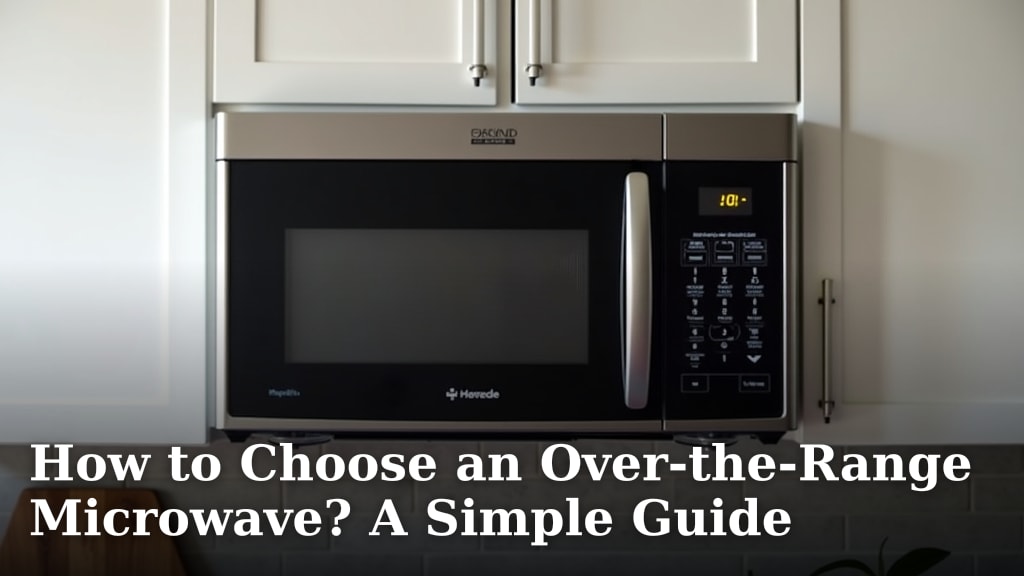
To choose an over-the-range microwave, you must first measure your existing space and match the unit’s width to your cabinet opening. Most models are 30 inches wide, but verifying this ensures a proper fit and a clean look. This is the single most important step to avoid a frustrating installation mistake.
A perfect fit is just the start. We found that the best choice for you also depends on how your kitchen vents air, whether you need a powerful fan, and what cooking power you actually use. You’ll also want to think about the features that will make your daily life easier.
- Measure your cabinet opening width precisely before shopping.
- Decide between venting outside (external) or recirculating air (recirculating).
- Look for at least 900 watts of power for effective cooking.
- Consider useful features like sensor cooking and easy-clean interiors.
- Set a realistic budget that balances your needs with the price.
Below, we break down each of these points to help you pick the right model with confidence. Let’s walk through exactly how to find the perfect fit for your kitchen and cooking style.
Picking the Right Over-the-Range Microwave for Your Kitchen
Choosing an over-the-range microwave comes down to matching the unit to your space, your cooking habits, and your kitchen’s setup. We found that the simplest path is to measure first, then decide on venting and power, and finally pick features that fit your daily routine. This guide walks you through each step so you can shop with confidence and avoid common pitfalls.
Measure Your Space Before You Do Anything Else
The most common mistake we found shoppers make is skipping the measurement. An over-the-range microwave must fit the cabinet opening exactly. If it’s too wide, it won’t go in. If it’s too narrow, you’ll have gaps that look unfinished and can collect grease. You’ll need a tape measure for this—don’t guess.
Width Is the Key Measurement
Most standard over-the-range microwaves are designed for a 30-inch cabinet opening. That’s the industry standard. But your kitchen might be different. Measure the inside width of the cabinet space from wall to wall. Also, check the depth of the cabinet above. A microwave that sticks out too far can block your stove or look awkward.
Don’t Forget the Height and Depth
Height matters too. You need enough vertical space between the cooktop and the microwave bottom—usually at least 13 inches for safety and usability. The depth should fit within the cabinet, so the front panel doesn’t hang over. We found that a depth of 15 to 18 inches is common for most models. Remember, the door needs to open fully without hitting the stove.
Understanding Venting: External vs. Recirculating
An over-the-range microwave also acts as a range hood. It vents air from your cooktop. How it does this is critical for keeping your kitchen air clean. We found that many buyers overlook this, but it affects both installation and performance.
External Venting (Ducted)
This is the best option for strong venting. The microwave pushes air through a duct to the outside of your home. It’s more effective at removing smoke, steam, and odors. If you already have an existing duct from an old range hood, this is often a simple swap. Check the duct size—most microwaves work with a 6-inch or 7-inch round duct.
Recirculating Venting (Ductless)
If you don’t have an external duct, this is your option. The microwave pulls air in, filters it through a charcoal filter, and blows it back into the kitchen. It’s easier to install, but less effective. We found that these filters need replacing every 3 to 6 months, depending on how much you cook. It’s a good idea to plan for this recurring cost.
| Venting Type | Pros | Cons | Best For |
|---|---|---|---|
| External (Ducted) | Removes air outside; strong performance. | Requires existing ductwork; more complex install. | Homeowners with existing ducts; heavy cooking. |
| Recirculating | Easy install; no duct needed. | Less effective at removing smoke; needs filter changes. | Apartment renters; kitchens without duct access. |
Power and Cooking Performance: What to Look For
Not all microwaves cook the same. The power rating, measured in watts, tells you how fast and strong it is. We found that for everyday cooking, you want at least 900 watts. This is enough for most reheating, defrosting, and basic cooking tasks.
Why Wattage Matters
Higher wattage means faster cooking. A 1,000- to 1,200-watt model will handle more demanding recipes. Think about what you usually cook. If you’re just heating up leftovers, 900 watts is fine. But if you like to make popcorn or steam vegetables quickly, more power helps. Many experts say the sweet spot for home use is between 900 and 1,100 watts.
Sensor Cooking: A Helpful Feature
Some microwaves have a sensor that adjusts time and power automatically. It’s handy for reheating or cooking foods like potatoes or vegetables. We found it’s not a must-have, but it can prevent overcooking. It’s a nice touch for busy kitchens where you don’t want to guess.
Features That Make Daily Use Easier
Once you have the basics down, think about the features that will help you day-to-day. These can make a big difference in convenience and cleanup. We found that simple features often outperform fancy ones that rarely get used.
Interior and Cleaning
A microwave that’s easy to clean will save you time. Look for an interior with a smooth, non-stick surface or a stainless-steel finish. These wipe clean easily. We found that many owners hate dealing with stuck-on food, so a good interior coating matters more than you might think. Also, a removable turntable helps with thorough cleaning.
Controls and Display
Simple, clear controls are best. You want buttons or a touchpad that you can use quickly without squinting. A digital display should be easy to read from a distance. We found that some models have complicated menus that add frustration, not value. Aim for a straightforward interface that anyone in your household can use.
Setting a Realistic Budget
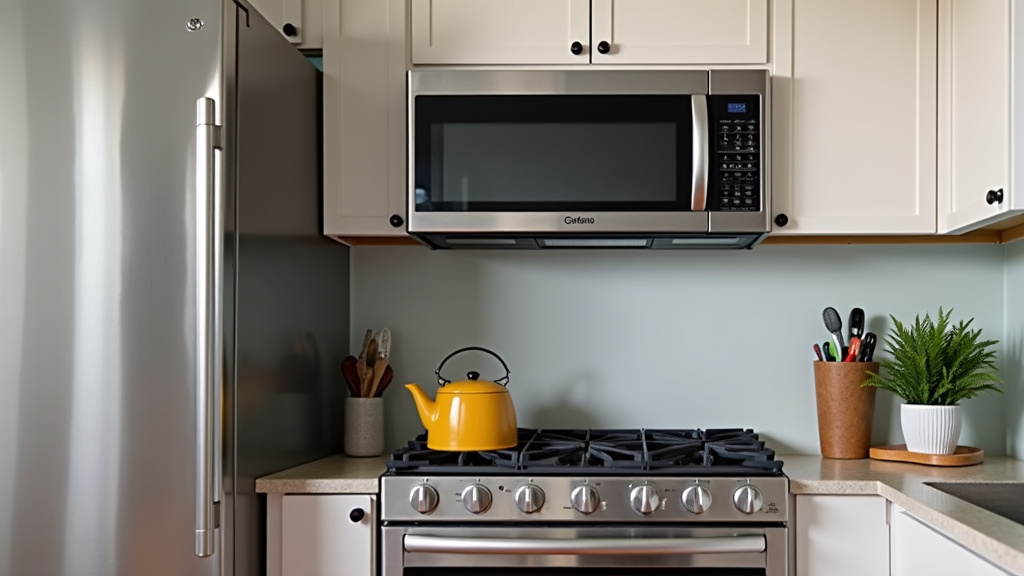
Over-the-range microwaves range in price, but you don’t need to spend a fortune for a good one. We found that most reliable models fall between $200 and $400. Budget options exist below $200, but they may have fewer features or lower wattage. High-end models can go over $500, but the extra cost often includes advanced features you might not need.
What You Get at Different Price Points
A $200 microwave might offer basic power and venting, but could lack sensor cooking or a high-end finish. In the $300 to $400 range, you’ll often find better build quality, more cooking power, and useful features like sensor cooking or easy-clean interiors. We found that spending a bit more upfront can lead to less hassle and better performance over time.
Quick Checklist Before You Buy
- Measure the width of your cabinet opening precisely. It’s the first thing to check.
- Decide on venting: Do you have an existing duct for external venting, or will you use recirculating mode?
- Check the wattage. Aim for at least 900 watts for effective cooking.
- Look for easy-clean features. A smooth interior and removable turntable make life simpler.
- Set a budget. Most shoppers find good options between $200 and $400.
Making Your Final Decision
Now that you have the details, think about your kitchen and your habits. Start with the measurement—this step alone avoids most installation headaches. Then, choose venting based on your kitchen’s setup. Pick the power level that matches your cooking style, and add features that will actually get used. We found that many people are happier with a simple, well-fitting microwave than with a loaded one that doesn’t suit their needs.
Taking a few extra minutes to check these points will help you find a microwave that fits perfectly, vents properly, and cooks just right. It’s worth the effort. After all, this appliance will be part of your daily routine for years to come.
Conclusion
Choosing an over-the-range microwave comes down to matching your kitchen space, venting needs, and daily cooking habits. Start by measuring your cabinet opening to ensure a perfect fit. Decide on venting—external for better air removal or recirculating if no duct is available. Aim for at least 900 watts for effective cooking, and pick features that simplify your routine. Set a realistic budget between $200 and $400 for reliable options. Take a few minutes to compare models and read reviews. This will help you find a microwave that fits well, vents properly, and cooks just right for years.
Frequently Asked Questions
How do I know if my microwave will fit my existing cabinet?
Measure the width, height, and depth of your cabinet opening precisely. Most over