What Is a Flatbed Over-the-Range Microwave?
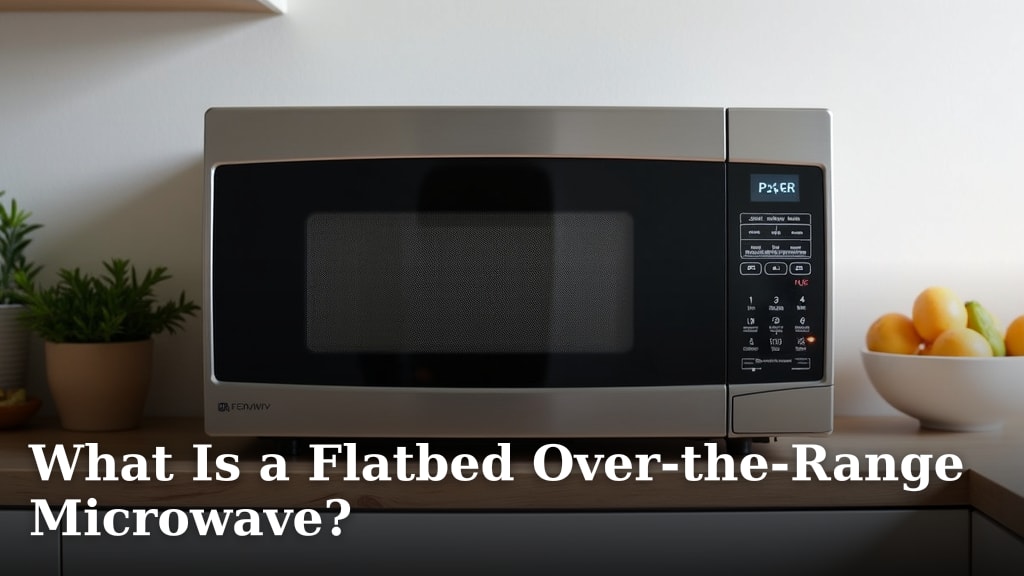
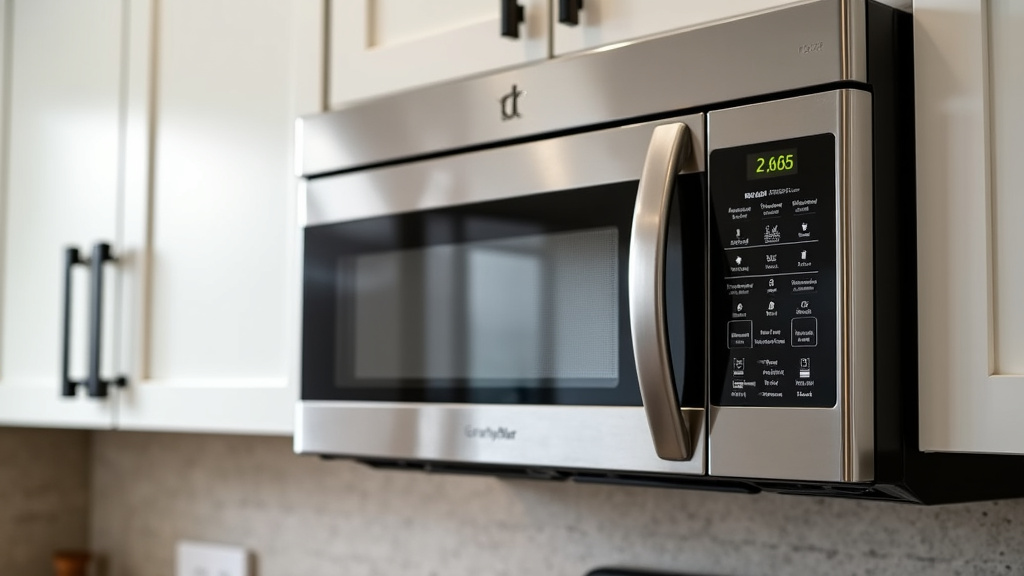
A flatbed over-the-range microwave is a microwave oven designed to mount above your cooktop. Unlike standard models with a turntable, it features a flat, open interior cavity. This design allows for more flexible cooking. You can easily fit larger rectangular dishes. It also makes cleaning much simpler.
This type of microwave offers a unique solution for kitchens. It saves valuable counter space. Many models also include a ventilation system to remove smoke and odors from your stove. Some even have convection cooking capabilities, acting like a second oven. It’s a popular choice for modern kitchen layouts.
- It’s a microwave that hangs over your stove.
- It has a flat interior, no spinning plate.
- Easier to fit big pans and clean.
- Often includes a vent for your cooktop.
- Saves counter space in your kitchen.
Ready to learn more about these handy kitchen appliances? We’ve researched flatbed over-the-range microwaves to explain exactly what they are and how they work for you.
Understanding the Flatbed Over-the-Range Microwave
So, what exactly sets a flatbed over-the-range microwave apart? It’s all about the interior design. Unlike traditional microwaves with a spinning turntable, a flatbed model has a smooth, flat surface inside. Think of it like a wide-open space for your food. This innovative design means you can slide in rectangular baking dishes or large casserole plates without any fuss.
This might seem like a small change, but it opens up a world of cooking possibilities. No more awkwardly trying to fit a square dish onto a round plate! Plus, cleaning becomes much less of a chore. You can wipe down the entire interior with ease. It’s a practical upgrade for many kitchens.
Key Features That Make a Difference
When you’re looking at flatbed over-the-range microwaves, you’ll notice a few standout features. These aren’t just about looks; they directly impact how you use the appliance. Understanding these will help you choose the best model for your needs.
The Flat Cavity: More Than Just Space
The most defining characteristic is, of course, the flat cooking surface. This feature eliminates the need for a turntable. You gain more usable space. This is especially helpful when you’re cooking for a crowd or preparing larger meals. You can fit two dishes side-by-side if they’re appropriately sized. It’s a game-changer for busy households.
We found that this design makes it much easier to clean. Spills and splatters don’t get caught on a rotating ring. A quick wipe with a damp cloth is usually all it takes. This saves you time and effort. It’s a win-win for functionality and maintenance. Many users report it feels much cleaner.
Integrated Ventilation: A Breath of Fresh Air
One of the biggest advantages of over-the-range microwaves is their built-in ventilation. A flatbed model is no exception. These units typically come with fans and filters. They work to remove smoke, steam, and cooking odors from your stovetop. This helps keep your kitchen air fresh and clean. It’s like having a mini exhaust hood right where you need it.
The effectiveness of the ventilation can vary by model. Some offer multiple fan speeds. Others have charcoal filters for odor removal. It’s important to check the specifications for the CFM (cubic feet per minute) rating. This indicates how powerful the fan is. Higher CFM means better air clearing. We found that many models effectively clear common cooking smells.
Convection Cooking Capabilities: A Second Oven Option
Many modern flatbed over-the-range microwaves come with convection cooking. This means they have an extra heating element and a fan. This circulates hot air throughout the cavity. It cooks food more evenly and can even brown or crisp items. Think of it as a small, efficient oven built into your microwave.
Convection cooking is fantastic for baking cookies, roasting vegetables, or even reheating pizza. It gives you a crispy texture that regular microwave heating can’t achieve. This feature adds incredible versatility to the appliance. It can help free up your main oven for other tasks. It’s a smart addition for any kitchen.
Sensor Cooking and Reheating: Taking the Guesswork Out
You’ll often find sensor cooking and reheating features on these microwaves. How does it work? Sensors inside the microwave detect the humidity levels produced by your food as it cooks. They then automatically adjust the cooking time and power level. This helps prevent overcooking or undercooking.
This takes the guesswork out of preparing meals. You no longer need to stop and check your food constantly. The sensor ensures your meal is cooked perfectly. It’s especially useful for delicate items or when you’re trying a new recipe. We found that sensor cooking significantly improves consistency.
Who Benefits Most from a Flatbed Microwave?
While a flatbed over-the-range microwave is a great choice for many, it’s particularly beneficial for certain types of homeowners and kitchen layouts.
Small Kitchens and Space Savers
If you have a small kitchen, every inch of counter space is precious. An over-the-range microwave frees up your countertops. This makes the kitchen feel larger and more open. You can place your coffee maker, toaster, or other small appliances on the counter without crowding. It’s an efficient use of vertical space.
Home Cooks Who Value Flexibility
For those who love to cook and entertain, the flexible cooking space is a major draw. The ability to fit larger dishes means you can prepare more food at once. This is perfect for holiday meals or when you have guests over. The convection feature also adds another layer of cooking options.
Anyone Tired of Turntable Troubles
Let’s be honest, cleaning a greasy turntable can be a hassle. If you find yourself dreading that task, a flatbed microwave offers a simple solution. The easy-to-clean surface makes maintenance much more manageable. It’s a practical feature for everyday use.
Comparing Flatbed to Traditional Microwaves
It’s helpful to see how flatbed models stack up against their turntable counterparts. This comparison highlights the key differences you’ll encounter.
| Feature | Flatbed Over-the-Range Microwave | Traditional Turntable Microwave |
|---|---|---|
| Interior Design | Flat, open cavity | Rotating turntable |
| Dish Fit | Accommodates rectangular and larger dishes easily | Limited by turntable size; can struggle with large or square dishes |
| Cleaning | Simpler, easier to wipe down | Can be more challenging, especially around the turntable ring |
| Space Efficiency | Excellent for saving counter space; integrated ventilation | Requires counter space; some countertop models may have ventilation |
| Cooking Versatility | Often includes convection cooking for baking/roasting | Primarily for reheating and basic cooking; convection is less common |
What to Look For When Buying
When you’re ready to purchase a flatbed over-the-range microwave, keep these points in mind. They’ll help ensure you get a model that fits your kitchen and cooking style.
- Size and Capacity: Measure the space above your stove carefully. Ensure the microwave’s dimensions will fit. Also, consider the interior capacity for your typical dish sizes.
- Ventilation Power: Check the CFM rating. If you do a lot of stovetop cooking with smoke or steam, a higher CFM is better. Consider if it vents externally or recirculates air.
- Wattage: Higher wattage generally means faster cooking. Most models are between 900 and 1200 watts.
- Convection Features: If you plan to use it as a second oven, look for robust convection settings and user reviews on its performance.
- Ease of Cleaning: While the flat surface is a big plus, check for non-stick interiors or other features that simplify maintenance.
- Noise Level: Microwaves can be noisy. Some models are designed to be quieter. Check reviews for user feedback on sound.
Conclusion
You’ve learned that a flatbed over-the-range microwave offers a smart upgrade for your kitchen. Its flat interior provides more usable space for larger dishes and makes cleaning a breeze. Plus, the integrated ventilation helps keep your kitchen air fresh. If you’re looking to save counter space and gain cooking flexibility, especially with optional convection features, this type of microwave is worth considering.
Your next step is to measure your space and compare the features that best suit your cooking habits and kitchen needs.
Frequently Asked Questions
Are flatbed microwaves harder to install than regular over-the-range models?
Installation is generally similar to traditional over-the-range microwaves. Both require secure mounting above your cooktop. You’ll need to follow manufacturer instructions for electrical and mounting procedures, which might require help from another person.
Can I still use my microwave-safe pots and pans with a flatbed microwave?
Yes, absolutely. You can use any microwave-safe cookware. The flat interior simply means you don’t have to worry about fitting them onto a spinning plate. Rectangular or square dishes are now much easier to accommodate.
Do flatbed microwaves heat food as evenly as turntable models?
Research and user reports suggest that flatbed microwaves heat food quite evenly, especially with their advanced cooking technologies like convection. The flat surface allows for better placement of food, and features like sensor cooking help ensure consistent results without needing a rotating dish.
How do I choose the right CFM for the ventilation on an over-the-range microwave?
The CFM (cubic feet per minute) rating indicates the fan’s power. For light cooking, 100-200 CFM might suffice. If you frequently fry or generate a lot of steam, look for models with 300 CFM or higher for better air clearing.
Are flatbed over-the-range microwaves more expensive than models with turntables?
Often, flatbed models can be slightly more expensive due to their advanced design and features. However, prices vary widely by brand and included capabilities like convection or higher-end ventilation systems. You can find models at various price points.