Is an Over-the-Range Microwave the Same as a Range Hood?
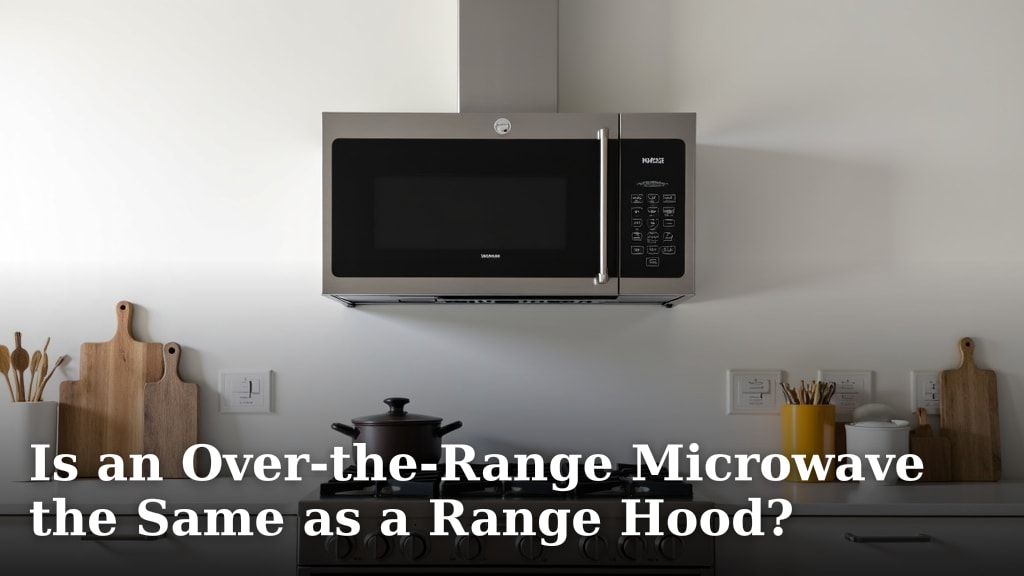
No, an over-the-range microwave is not the same as a range hood, although they both hang above your stove. The main difference is their primary function. A range hood is designed solely to vent smoke and grease. An over-the-range microwave offers both cooking and ventilation.
Many homeowners consider an over-the-range microwave a convenient space-saver. It combines two appliances into one unit. However, when it comes to effective ventilation, dedicated range hoods often perform better at removing cooking fumes and odors. We found that the ventilation power can vary greatly between models.
- An over-the-range microwave cooks food and provides basic ventilation.
- A range hood’s main job is to efficiently vent cooking smells and grease.
- Over-the-range microwaves are a good option for saving kitchen space.
- Dedicated range hoods typically offer stronger ventilation power.
- Both are installed above the stovetop.
Let’s look closer at what makes each appliance unique and how they compare in your kitchen.
Understanding Your Above-Stove Kitchen Appliances
When you’re looking at appliances to go above your stovetop, it’s easy to get confused. You’ve got two main options: an over-the-range (OTR) microwave and a dedicated range hood. While they both hang in the same spot, their jobs are quite different. We’ve found that understanding these differences can really help you pick the right one for your cooking needs and kitchen setup.
The Primary Purpose of Each Appliance
Let’s break down what each appliance is designed to do. Think of it like this: one is a multitasker, and the other is a specialist.
Over-the-Range (OTR) Microwaves: Cooking and Venting Combined
An OTR microwave is essentially two appliances in one. Its main function is to heat and cook your food, just like a standard microwave. But, it also has a built-in ventilation system designed to capture some of the steam, smoke, and odors that rise from your cooktop. Many homeowners choose these because they save valuable kitchen space. You get a microwave and a vent without needing to install two separate units. We found that this dual-purpose design is a big draw for smaller kitchens or those looking for a streamlined look.
Range Hoods: Ventilation Specialists
A range hood, on the other hand, is built with one job in mind: to vent your kitchen air. Its sole purpose is to suck up smoke, grease particles, and cooking odors from your stove and expel them outside your home. Some range hoods recirculate the air through filters, but the most effective ones vent outdoors. Experts say these are generally more powerful at clearing the air than the ventilation systems found in OTR microwaves. If you do a lot of high-heat cooking, like searing or stir-frying, a dedicated range hood might be what you need.
How the Ventilation Systems Differ
The way these appliances handle ventilation is a key difference. It affects how well they keep your kitchen air fresh and clean.
OTR Microwave Ventilation: A Closer Look
The ventilation in an OTR microwave typically includes a fan and a filter. The fan pulls air up from your cooktop. The filters, often made of mesh or charcoal, are meant to catch grease and odors. However, many OTR models vent the air back into your kitchen after filtering, which isn’t as effective as venting outdoors. We found that even those that vent outdoors can have less powerful fans compared to standalone range hoods. The airflow is often measured in Cubic Feet per Minute (CFM). Our guide explains what the light under a microwave is called and its function.
Understanding CFM for OTR Microwaves
CFM ratings for OTR microwaves usually range from 100 to 300 CFM. A lower CFM means less air is being moved and filtered. For light cooking, this might be enough. But if you’re a frequent cook who creates a lot of smoke or steam, you might notice that smells linger. Many guidelines suggest a minimum of 150 CFM for basic cooking. We found that checking the CFM rating is one of the most important steps when comparing OTR models.
Range Hood Ventilation: Built for Power
Dedicated range hoods are designed with stronger fans and more robust ducting systems. Their primary goal is efficient air exchange. Many range hoods are designed to vent air directly outside your home, which is the most effective way to remove cooking byproducts. This process helps prevent grease buildup on your cabinets and walls. Research shows that proper ventilation can also improve indoor air quality (CDC).
Higher CFM in Range Hoods
Range hoods typically offer much higher CFM ratings than OTR microwaves, often starting at 300 CFM and going up to 1000 CFM or more. This higher airflow allows them to quickly capture and remove even strong cooking odors and smoke. For powerful gas ranges or commercial-style cooktops, very high CFM hoods are often recommended. We found that if your priority is superior air quality and odor removal, a dedicated range hood is usually the better choice.
Installation and Space Considerations
Where and how these appliances are installed plays a big role in kitchen design and functionality.
OTR Microwaves: The Space-Saving Champion
As their name suggests, OTR microwaves are mounted directly above your range. This placement is fantastic for saving counter space and floor space. You don’t need a separate spot for a countertop microwave. This makes them incredibly popular for apartments, smaller homes, and kitchens where every inch counts. Installation usually involves mounting a bracket to the wall studs and then hanging the microwave on it. We found that this is a major selling point for many homeowners. Learn if you can put an over-the-range microwave on your countertop in our helpful guide.
Range Hoods: Flexible Placement, Dedicated Space
Range hoods also mount above the cooktop. However, they don’t cook your food. This means they can come in a wider variety of styles and sizes. You can find under-cabinet hoods that are installed beneath your existing cabinetry, wall-mounted hoods that attach directly to the wall, or island hoods designed for kitchens with a cooktop in the middle of the room. While they take up the same vertical space as an OTR microwave, they don’t add cooking functionality. We found that this flexibility allows for more aesthetic choices.
Performance: Cooking vs. Venting
When you’re deciding between the two, consider what’s most important to you: the ability to cook, or the ability to vent.
OTR Microwave Performance
In terms of cooking, OTR microwaves perform as you’d expect. They reheat leftovers, defrost food, and can even be used for specific cooking functions like baking potatoes or steaming vegetables. Their ventilation performance, as we discussed, is generally adequate for light cooking but can be a limitation for heavy-duty ventilation needs. Many users find them convenient for quick reheating or small tasks. We found that their microwave function is usually their strongest feature.
Range Hood Performance
Range hoods excel at ventilation. They are engineered to capture and remove airborne grease, steam, and odors efficiently. A good range hood can make a noticeable difference in keeping your kitchen smelling fresh, even after cooking strong-smelling foods. Their limitation is, of course, that they don’t cook. If you already have a separate microwave you love, or if you prefer not to have a microwave above your stove, a range hood is the way to go for air purification.
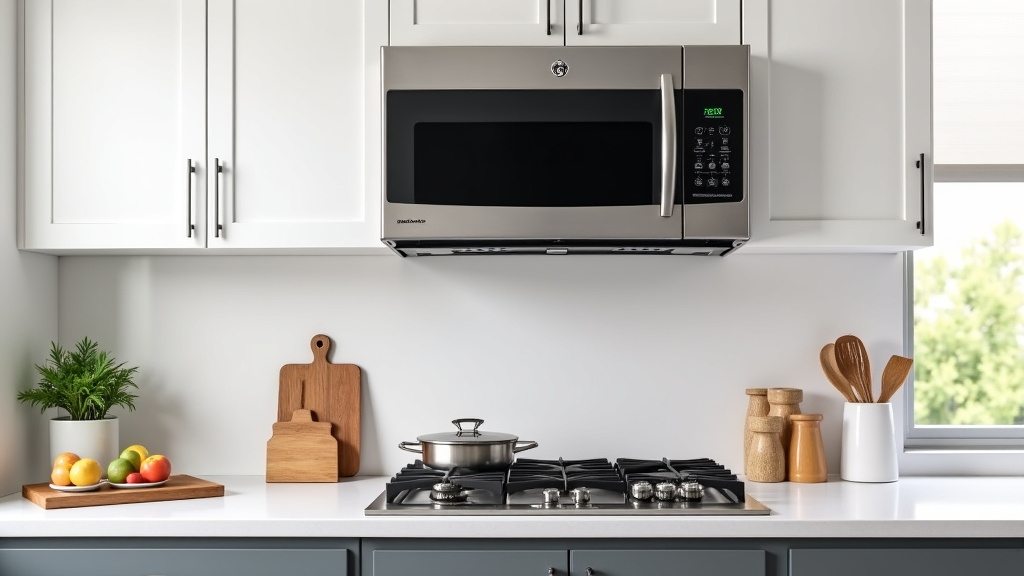
Comparing Key Features: A Quick Guide
To help you visualize the differences, here’s a quick comparison of what each appliance typically offers.
| Feature | Over-the-Range Microwave | Range Hood |
|---|---|---|
| Primary Function | Cooking & Basic Ventilation | Powerful Ventilation |
| Space Saving | High (Combines two appliances) | Moderate (Only one appliance) |
| Ventilation Power (CFM) | Lower (100-300 CFM typical) | Higher (300-1000+ CFM typical) |
| Installation | Mounted above stove | Mounted above stove (various styles) |
| Cooking Capability | Yes | No |
| Cost | Varies widely, can be higher for OTR with advanced microwave features. | Varies widely, high-end models can be expensive. |
Making the Right Choice for Your Kitchen
Deciding between an OTR microwave and a range hood really comes down to your personal needs and cooking habits. Ask yourself a few questions to guide your decision.
- How much cooking do you do?
- Do you often cook foods that create a lot of smoke or strong odors?
- How important is maximizing kitchen space for you?
- Do you already have a separate microwave you are happy with?
We found that understanding these points can simplify the process. If space is tight and your cooking is generally light, an OTR microwave is a solid, convenient choice. If you’re a serious home chef who prioritizes air quality and removes strong smells effectively, a dedicated range hood will likely serve you better. Many experts suggest that for kitchens with gas ranges or for those who do a lot of frying or sautéing, a range hood is a better investment for maintaining a clean kitchen environment (Cleveland Clinic).
Key Takeaways for Your Decision
To sum up the main points, consider these simple checks before you buy:
- Space: Do you need to save room? OTR microwaves win here.
- Ventilation Power: How much smoke and odor do you create? Range hoods are stronger.
- Cooking Needs: Do you need a microwave? OTR offers this.
- Budget: Both have wide price ranges, so compare features.
- Kitchen Style: Consider the look and how it fits your design.
- Cooktop Type: Gas cooktops often require more powerful ventilation.
Conclusion
Deciding between an over-the-range (OTR) microwave and a dedicated range hood boils down to your kitchen’s needs and your cooking habits. An OTR microwave is a great space-saver, offering both cooking and basic ventilation. If you prioritize powerful air clearing for heavy cooking, a range hood is your specialist. We’ve found that understanding your cooking volume and odor output is key. Before you purchase, think about how much space you need to save versus how effectively you need to vent. Your choice will shape your kitchen’s air quality and functionality for years to come.
Frequently Asked Questions
Can I install a range hood if I already have an over-the-range microwave?
Yes, you can. If your current OTR microwave’s ventilation isn’t cutting it, you could consider removing it and installing a dedicated range hood. This often involves a more involved installation process and may require different ducting. We found that it’s best to consult with a professional installer to see if this is feasible for your kitchen setup.
Are over-the-range microwaves effective at removing smoke and grease?
Their effectiveness varies. OTR microwaves offer basic ventilation, which can be adequate for light cooking. However, for heavy-duty tasks like searing or frying, their fans and filters may struggle to keep up. Research indicates dedicated range hoods typically provide much stronger performance in smoke and grease removal.
Do range hoods require external ducting?
Many do, and it’s the most effective way to remove air. Venting to the outside ensures smoke, grease, and odors are expelled from your home. Some range hoods are designed to recirculate air using filters, but these are generally less powerful than ducted systems. We found that external venting is often recommended for better air quality.
Which option is better for a small kitchen?
For small kitchens where space is a premium, an over-the-range microwave is often the preferred choice. It combines two appliances into one unit, freeing up counter and cabinet space. This dual functionality makes it a popular solution for maximizing efficiency in compact living areas.
How do I know if I need a range hood instead of an OTR microwave?
Consider how often you cook and the types of food you prepare. If you frequently cook foods that produce a lot of smoke, steam, or strong odors, and you find your current ventilation isn’t sufficient, a dedicated range hood is likely a better investment. We found that high-CFM range hoods are ideal for serious home cooks with powerful cooktops.