What Size Microwave Fits a 30 Inch Range?
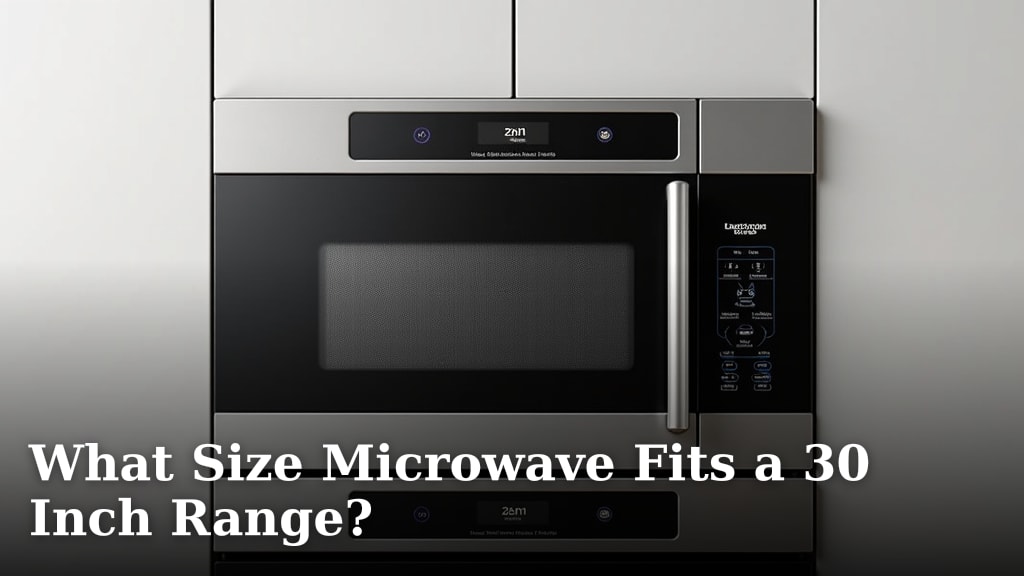
When you’re looking to place a microwave above a 30-inch range, you generally need a microwave that is 30 inches wide. This is because most standard over-the-range microwaves are designed to match the width of common ranges. They are built to fit snugly and safely in that space.
So, if your range is 30 inches across, your new microwave should also be 30 inches wide for a proper fit. This ensures it looks good and functions safely. Many models are specifically made to be the perfect complement to your range.
- Most over-the-range microwaves are 30 inches wide.
- They are designed to match standard 30-inch ranges.
- A 30-inch microwave provides a safe and proper fit.
- Always check dimensions before buying.
Let’s look at the different types of microwaves that fit above your range and what to consider. You can also consider a low-profile over-the-range microwave if cabinet space is limited.
Finding the Right Microwave Size for Your 30-Inch Range
You’ve got a 30-inch range, and you’re thinking about adding a microwave above it. That’s a smart move for saving counter space! The good news is that most microwaves designed for this spot are built to match that 30-inch width. It’s like they were made for each other. You’ll typically be looking for a microwave that measures 30 inches wide.
Understanding Over-the-Range Microwaves
These microwaves aren’t just ovens; they’re often a combo unit. They include a vent hood to pull smoke and odors from your stovetop. They also have a light to illuminate your cooking area. Their design is specifically to fit above a standard range. This means the width is the most common dimension you’ll need to match.
Why 30 Inches is the Standard Width
Appliance manufacturers aim for consistency. A 30-inch range is a very common size in many kitchens. To make installation easy and ensure a good look, they created over-the-range microwaves to fit perfectly. This width ensures it won’t stick out too far on either side. It also means it won’t look too small or lost above your range.
Beyond Width: Other Dimensions to Check
While width is your primary concern, don’t forget about height and depth. Over-the-range microwaves have specific height requirements to fit above your range. You need enough clearance for cooking and to prevent the microwave from getting too hot. Depth is also important. You don’t want it sticking out too far into your kitchen.
Height Clearance Matters
Most manufacturers recommend a minimum of 30 inches of clearance between the stovetop and the bottom of the microwave. Some ranges are taller, so always measure your specific range height. You can find this information in your range’s manual. It’s a safety and performance guideline.
Depth Considerations
The depth of an over-the-range microwave is usually around 15 to 17 inches. This allows it to fit without protruding too much. It also provides enough internal space for most cooking needs. Check if your kitchen layout has any obstructions that might interfere with a microwave of this depth.
Types of Microwaves That Fit Above Your Range
When you’re shopping, you’ll see a few main types of microwaves designed for over-the-range placement. They all share the common goal of fitting into that 30-inch space above your stove.
The Classic Over-the-Range (OTR) Microwave
This is the most common type. It’s designed to be mounted directly above your range. It usually includes a built-in ventilation system. This system can vent air outside or recirculate it through filters. These are almost always 30 inches wide to match standard ranges.
The Cabinet Microwave (Built-in Appearance)
Some microwaves are designed to look like they are built into your cabinetry. They might have a more flush appearance. However, for the over-the-range spot, these are still typically 30 inches wide. They offer a more integrated look with your kitchen cabinets.
Combination Microwave-Convection Ovens
These offer more than just microwaving. They also function as a convection oven. This means you can bake and roast with them. They are a great option if you want added cooking versatility. Even with these extra features, they usually maintain the standard 30-inch width for over-the-range installation.
Key Features to Look For in an OTR Microwave
Beyond just the size, several features can make your cooking experience better. Think about what you’ll use the microwave for most often.
Ventilation Power
Ventilation is key for an over-the-range model. Check the CFM (Cubic Feet per Minute) rating. Higher CFM means stronger ventilation. If you do a lot of high-heat cooking, like searing steaks, you’ll want a higher CFM. Many experts suggest at least 300 CFM for effective ventilation (Home Appliance Institute).
Ducting Options
Consider how the vent will work in your kitchen. External venting blows air outside your home. Recirculating venting uses charcoal filters to clean the air before releasing it back into the kitchen. External venting is generally more effective. Ensure your chosen microwave matches your home’s setup.
Sensor Cooking
Sensor cooking takes the guesswork out of reheating or cooking. The microwave detects the humidity and adjusts cooking time and power automatically. This helps prevent overcooking or undercooking. It’s a helpful feature for common foods like popcorn, baked potatoes, or leftovers.
Interior Capacity
While the exterior width is standard, the interior capacity can vary. This is measured in cubic feet. A larger capacity means you can fit bigger dishes. It’s great for family meals or if you cook larger portions. A typical 30-inch OTR microwave might range from 1.5 to 2.2 cubic feet.
Ease of Cleaning
Look for microwaves with easy-to-clean interiors. Many have non-stick coatings or removable turntables. The exterior material also matters. Stainless steel is popular but can show fingerprints. Some models offer fingerprint-resistant finishes.
The Installation Process: What to Expect
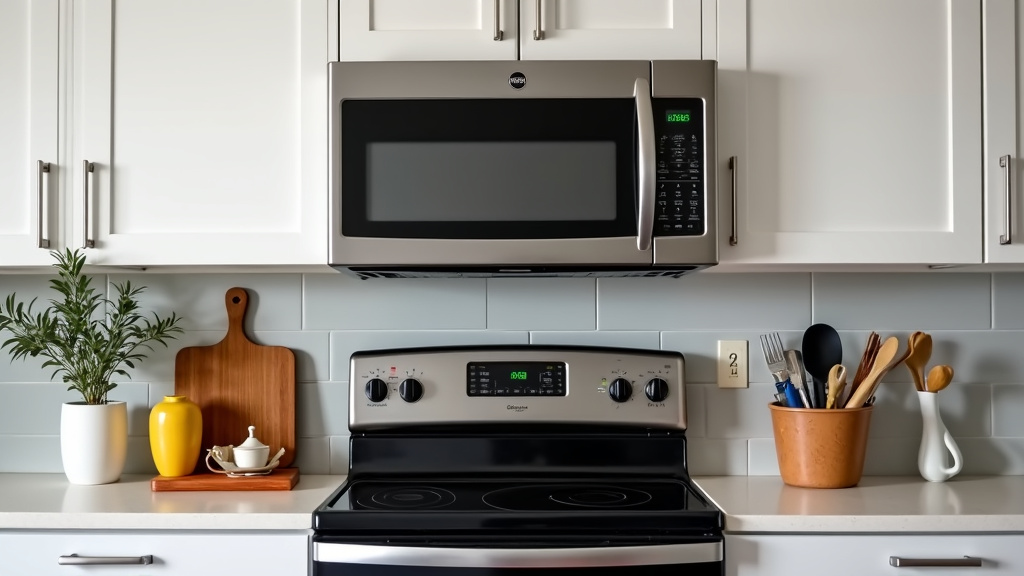
Installing an over-the-range microwave is more involved than just placing a countertop model. It involves mounting it securely to the wall and often connecting to your home’s ventilation system. If you’re not comfortable with electrical work or mounting heavy appliances, it’s wise to hire a professional.
Mounting Securely
The microwave needs to be securely attached to the wall studs. This is crucial for safety. The mounting bracket provided with the microwave must be properly installed. This prevents the heavy appliance from falling. Always follow the manufacturer’s installation instructions precisely.
Ventilation Hookup
If you’re using external venting, you’ll need to connect the microwave to your range hood ductwork. This usually involves drilling through an exterior wall or your ceiling. If you have existing ductwork from a previous vent hood, you might be able to use that. Ensure a good seal to prevent air leaks.
Electrical Connections
These microwaves require a dedicated electrical outlet. The outlet is usually located inside the cabinet above the microwave. Ensure the circuit can handle the microwave’s power draw. If you’re unsure about electrical work, it’s best to consult an electrician.
Checklist: Before You Buy Your 30-Inch Microwave
To make sure you get the perfect microwave for your 30-inch range, run through this quick checklist:
- Measure Your Space: Double-check the width, height, and depth clearance above your range.
- Confirm Width: Ensure you’re looking at microwaves labeled as 30 inches wide.
- Ventilation Needs: Decide if you need external or recirculating venting and check CFM.
- Capacity: How much food do you typically heat or cook at once?
- Features: What functions are most important to you (sensor cooking, convection)?
- Installation: Do you have the necessary tools and skills, or will you need professional help?
Conclusion
Finding the right microwave for your 30-inch range is straightforward once you know what to look for. You’ve learned that a 30-inch wide over-the-range microwave is typically your best bet for a perfect fit. Remember to also check the necessary height clearance and depth to ensure safety and a clean look in your kitchen. Consider the ventilation power and internal capacity that best suit your cooking habits. With these guidelines, you can confidently select a microwave that enhances your kitchen’s functionality and style.
Ready to shop? Make sure to grab your measuring tape and compare the dimensions of your space against the specifications of any microwave you consider.
Frequently Asked Questions
Will a 27-inch microwave fit above a 30-inch range?
Generally, a 27-inch microwave is too small for a 30-inch range. Over-the-range microwaves are designed to match the width of your range for safety and aesthetics. A smaller microwave will leave noticeable gaps on either side, which can look awkward and may not offer the same ventilation coverage.
Can I install a microwave that is wider than my 30-inch range?
It’s not recommended to install a microwave wider than your 30-inch range. Most over-the-range microwaves are designed to be flush with the sides of the range. A wider unit would likely protrude, creating an uneven appearance and potentially posing a hazard during cooking.
What if my range isn’t exactly 30 inches wide?
If your range is slightly different from 30 inches, you’ll need to measure its exact width. While 30 inches is standard, some ranges might be a bit smaller or larger. Always measure your existing space carefully and compare it to the microwave’s listed dimensions to ensure a proper fit.
Do I need special ventilation for an over-the-range microwave?
Yes, over-the-range microwaves come with built-in ventilation systems. These can either vent air outside your home (external venting) or recirculate it through filters (recirculating). You’ll need to decide which type works best for your kitchen setup and ensure it’s installed correctly.
How do I measure the height clearance for my microwave?
Measure the distance from the surface of your stovetop to the bottom of the cabinet space above it. Most manufacturers recommend a minimum of 30 inches of clearance for safety and proper airflow. Always check your range’s manual for specific height recommendations.