How to Choose a 30 Inch Microwave Drawer
The best 30 inch microwave drawer is one whose cutout, capacity and installation plan match your cabinet. Measure the opening and finished front, then confirm the exact model's mounting instructions before ordering.
On this page (9 sections)
- What does “30 inch microwave drawer” mean?
- How do you measure for a 30 inch drawer microwave?
- What cutout dimensions should you compare?
- Does a wider drawer mean more cooking capacity?
- What should you check about installation?
- When should you choose a 24 inch drawer instead?
- When might a countertop microwave be a better fit?
- How do you make the final choice?
- Frequently asked questions
A 30 inch microwave drawer should fit the cabinet opening, suit the dishes you use and work with your planned installation. Check the model's cutout dimensions and mounting instructions before choosing it by front width alone.
A 30 inch drawer front can be a good match for wider cabinetry, but that does not guarantee a wider cooking cavity or a simple swap for a smaller unit. The exact dimensions and installation requirements matter.
This guide explains what to measure, how to compare drawer widths and when a 24 inch drawer or countertop microwave may be a better fit.
What does “30 inch microwave drawer” mean?
A 30 inch microwave drawer refers to a nominal width category, not a promise that every part of the appliance measures exactly 30 inches. Check the product's dimensions and installation guide for the actual measurements.
The finished front, appliance body and cabinet cutout each have their own dimensions. They need to work together, so don't use the front width as a substitute for the required opening size.
Before comparing models, gather the cabinet's clear opening width, height and depth. If you're planning a new installation, also note the cabinet's overall width and the material and finish around the opening.
A 30 inch drawer may be offered for a wider run of cabinetry, but the width alone doesn't tell you how much food or which dishes it will hold. Compare interior capacity and cavity dimensions separately.
How do you measure for a 30 inch drawer microwave?
Measure the cabinet opening and installation space, then compare each measurement with the exact model's requirements. The appliance must fit the cutout, and the finished front must suit the surrounding cabinetry.
Use a tape measure to record:
- Opening width: Measure the clear space from one inside cabinet side to the other.
- Opening height: Measure the clear vertical space, including any rails or obstructions.
- Opening depth: Measure from the front edge to the back of the cabinet, including anything that affects usable depth.
- Finished front space: Note the width and height available for the drawer front and nearby trim.
- Nearby obstacles: Check adjacent cabinet doors, handles, counters and appliances for possible interference.
Measure at more than one point if the opening may not be square. Record the smallest clear width, height and depth, and compare them with the installation dimensions for the model you're considering.
Check whether the instructions specify a standard or flush mount. Those mounting styles can have different cutout dimensions, so use the measurements for the style you intend to install.
If you are comparing microwave sizes across different locations, our guides to what cabinet width fits a 30 inch microwave and what size microwave fits a 30 inch range address two related but different questions. A range width doesn't determine the cabinet cutout for a drawer microwave.
What cutout dimensions should you compare?
Compare the required cutout width, height and depth for the installation style you plan to use. The model's exterior dimensions do not tell you the size of the cabinet opening it needs.
For example, the Sharp SMD2470ASY is a 24 inch built-in drawer with listed standard mount cutout dimensions of 22-1/8 x 15-9/16 x 23-1/2 inches. Its listed flush mount cutout dimensions are 24-3/16 x 16-7/8 x 23-1/2 inches.
Those measurements show why it helps to distinguish the model's nominal width from the cutout. They are dimensions for that specific 24 inch Sharp model, not a template for a 30 inch drawer.
Never scale a smaller model's measurements to estimate the opening for a wider one. Look up the exact model's installation instructions and confirm every cutout measurement before cabinet work begins.
If the dimensions or mounting method are unclear, ask the manufacturer or a qualified installer to confirm them. A cutout that's too small or incorrectly prepared can complicate the installation.
Does a wider drawer mean more cooking capacity?
A wider front does not by itself confirm greater capacity. Compare the stated cubic feet and interior cavity dimensions for each model rather than assuming that a 30 inch drawer holds more than a 24 inch one.
Capacity is useful, but it doesn't show whether a particular casserole dish or container will fit. Check the interior width, height and depth against the dishes you use most.
For a real example, the Sharp SMD2470ASY is a 24 inch model with 1.2 cu ft of capacity. For another 24 inch built-in format, compare microwave oven combo options.
Its interior cavity measures 17-5/16 x 7-1/8 x 16-9/16 inches, and the listed capacity accommodates a 4 qt casserole dish or a 20 oz beverage.
That makes it a useful comparison when a 30 inch front is not essential or the cabinet opening is better suited to a 24 inch model. Compare the Sharp's interior measurements with your dishes, then verify the installation dimensions for the mounting style you want.
For more options in that width, see our best 24 inch microwave drawer guide. If finish is a priority, our article on a black 24 inch microwave drawer covers another way to narrow the search.
What should you check about installation?
A drawer microwave needs a suitable prepared cabinet opening and an installation that follows its model-specific instructions. Confirm the required cutout and mounting style before buying, especially if the cabinet has already been built.
Check the instructions for the exact drawer, not just a similarly sized model. Pay attention to the opening dimensions and any conditions or clearances stated for the installation.
Also think through how the drawer will work in the room. Consider whether the front can open without hitting nearby cabinet doors, whether the controls are easy to reach and whether the placement suits your normal food-preparation path.
If the drawer will go into an island or peninsula, include the location and surrounding cabinetry in your plan. A spot that looks wide enough from the front can still have limited depth or nearby obstructions.
For a new cutout or a change to existing cabinetry, have a qualified installer check the plan before work begins. Share the exact model's instructions and measurements so they can assess the actual opening and mounting needs.
When should you choose a 24 inch drawer instead?
Choose a 24 inch drawer when its cutout, front width and interior capacity meet your needs. If the planned opening is 24 inches, a 30 inch model may require cabinet changes, so check the dimensions before deciding.
A smaller nominal width doesn't necessarily mean you have to give up the capacity or dish fit you need. The Sharp SMD2470ASY, for example, has 1.2 cu ft capacity despite being a 24 inch model.
Start with the dishes and containers you use most, then compare the cavity dimensions of each candidate. If those items fit and the cabinet dimensions work, a wider front may not add useful value for your kitchen.
A 30 inch drawer may make sense if that is the intended cabinet width and the exact model's cutout requirements suit the opening. A 24 inch drawer may be easier to consider when the existing opening or available space is narrower.
When might a countertop microwave be a better fit?
A countertop microwave may suit you if you don't want to plan a built-in drawer cutout or make cabinet changes. It needs a stable surface and room around it, so check the space available before choosing one.
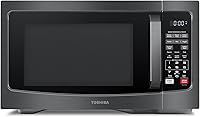
The TOSHIBA Countertop Microwave Oven measures 20.6 inches wide, 14.6 inches deep and 11.8 inches high, with 1.2 cu ft capacity. It has a 12.4 inch glass turntable, smart humidity sensor, six preset menus, 10 power levels and defrost by weight or time.
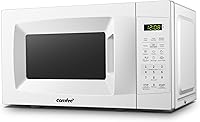
The COMFEE' Countertop Microwave Oven is a smaller option at 0.7 cu ft, with listed dimensions of 17.3 inches wide, 13 inches deep and 10.2 inches high. Its features include one-touch cooking, two defrost settings, an ECO mode and a mute function.
These are countertop models, not 30 inch microwave drawers. Consider them if a surface unit better suits your kitchen plan, and compare the space they need with the cabinet space a drawer would use.
For a fuller comparison of placement and day-to-day access, read microwave drawer vs countertop. You can also browse our best microwave drawer ovens guide when you've decided that a drawer is the right style.
How do you make the final choice?
Choose by cutout first, interior fit second and front width third. That order helps you avoid a drawer that looks right in a cabinet plan but doesn't meet the actual opening or dish needs.
Use this checklist before ordering:
- Measure the cabinet opening at its narrowest points.
- Compare the exact model's required cutout dimensions with the opening.
- Confirm whether you plan a standard or flush mount.
- Check the finished front against adjacent cabinets and handles.
- Compare capacity and interior measurements with your usual dishes.
- Check that the drawer can open and that the controls will be accessible.
- Ask an installer to review any cabinet changes before work begins.
If you're still deciding between drawer sizes, compare the best 24 inch microwave drawer options against the 30 inch models that match your cabinet plan. Pick a 30 inch drawer when its exact cutout, capacity and installation needs fit your kitchen; choose a 24 inch or countertop model when that setup fits your space better.
Frequently asked questions
Does a 30 inch microwave drawer fit a 30 inch cabinet?
A 30 inch cabinet width alone does not confirm fit. Check the microwave drawer's required cutout width, height and depth against the cabinet opening, and account for the finished front and mounting style.
Follow the installation guide for that exact model before cutting or ordering.
Is a 30 inch microwave drawer larger inside than a 24 inch model?
Not necessarily. The outside width does not tell you the cooking capacity or interior dimensions.
Compare each model's stated capacity and cavity measurements, then check whether your regular dishes fit. A wider drawer front may suit the cabinetry without adding the interior space you need.
Can I replace a 24 inch drawer microwave with a 30 inch one?
Only if the new model's required cutout and installation method suit the cabinet. Measure the existing opening and compare it with the new model's installation dimensions; a wider front does not mean the cabinet is already prepared for it.
Have a qualified installer assess changes to the opening.
What should I measure before buying a microwave drawer?
Measure the cutout width, height and depth, plus the finished opening and nearby clearances. Compare those measurements with the exact model's standard or flush mount requirements, whichever applies.
Also check the route into the kitchen and the space needed to open the drawer and use its controls.
Should I choose a drawer microwave or a countertop model?
Choose a drawer if its cabinet cutout and installation needs work for your kitchen and you want that placement. A countertop microwave avoids a built-in cutout, but needs a stable surface and enough clearance.
Compare the space, access and setup involved in each style before deciding.
Frequently asked questions
Does a 30 inch microwave drawer fit a 30 inch cabinet?
A 30 inch cabinet width alone does not confirm fit. Check the microwave drawer's required cutout width, height and depth against the cabinet opening, and account for the finished front and mounting style.
Follow the installation guide for that exact model before cutting or ordering.
Is a 30 inch microwave drawer larger inside than a 24 inch model?
Not necessarily. The outside width does not tell you the cooking capacity or interior dimensions.
Compare each model's stated capacity and cavity measurements, then check whether your regular dishes fit.
A wider drawer front may suit the cabinetry without adding the interior space you need.
Can I replace a 24 inch drawer microwave with a 30 inch one?
Only if the new model's required cutout and installation method suit the cabinet. Measure the existing opening and compare it with the new model's installation dimensions; a wider front does not mean the cabinet is already prepared for it.
Have a qualified installer assess changes to the opening.
What should I measure before buying a microwave drawer?
Measure the cutout width, height and depth, plus the finished opening and nearby clearances. Compare those measurements with the exact model's standard or flush mount requirements, whichever applies.
Also check the route into the kitchen and the space needed to open the drawer and use its controls.
Should I choose a drawer microwave or a countertop model?
Choose a drawer if its cabinet cutout and installation needs work for your kitchen and you want that placement. A countertop microwave avoids a built-in cutout, but needs a stable surface and enough clearance.
Compare the space, access and setup involved in each style before deciding.