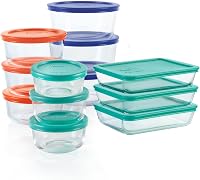
How to Use Portion Control Containers
To use portion control containers, assign each section to a planned food group, fill it consistently, and label the meal before storing it. Choose container sizes and compartments that match the portions you actually eat.
On this page (10 sections)
- What is a portion control container?
- How do you use portion control containers step by step?
- How should you fill each compartment?
- How do you organize prepared portions?
- How do you choose between glass and plastic?
- How do you use 3-compartment containers?
- How do you measure portions accurately?
- Can you freeze and reheat these containers?
- How do you clean and maintain portion containers?
- Which portion control container should you choose?
To use portion control containers, assign each compartment or container size to a planned food group, fill it consistently, and label each meal before storing it. The goal is repeatable portions, not filling every section as tightly as possible.
Start with your meal plan. Decide which foods belong in the main section, side sections, snacks, or separate containers, then choose a container style that makes those portions easy to repeat.
What is a portion control container?
A portion control container is a food container with a known capacity, measured markings, or divided sections. It helps you serve planned amounts without estimating from an open plate each time.
Some containers have 2 compartments for a main dish and side. Others have 3 compartments for a main course and 2 smaller sides.
A single-compartment container can also support portion control when you use its stated capacity consistently.
Use food storage containers when you need a broader guide to materials, lids, shapes, and storage needs. Portion control is one use case within the larger food storage category.
How do you use portion control containers step by step?
Plan the meal, match each food to a section, fill without overpacking, and store the finished container in meal order. A simple routine keeps portions consistent from one prep session to the next.
- Choose the meal and decide the planned amount of each food.
- Pick a container with enough compartments or capacity for that meal.
- Add the main food to the largest section.
- Fill smaller sections with sides, fruit, vegetables, or other planned foods.
- Keep sauces and wet foods separate when they may soften other foods.
- Leave enough space for the lid to close without pressing into the food.
- Label the meal with its contents and preparation date.
- Refrigerate or freeze it according to your food safety plan.
Use the same container size for similar meals when consistency matters. A container does not decide your serving plan by itself, so match its capacity to the portions you want to prepare.
How should you fill each compartment?
Fill the largest section with the main part of the meal and use smaller sections for sides that should stay separate. Dividers are most useful when they match the way you already plan to eat.
A 2-compartment container can separate an entree from one side. A 3-compartment container can keep a main food apart from 2 smaller sides, which may help prevent moisture and texture from spreading.
Don't mound food above the rim or force the lid down. Overfilling can make closing difficult and may mix foods that the dividers were meant to keep apart.
Which container helps with 2-part meals?
The Prep Naturals 5 Pack 36oz Glass Meal containers have 2 compartments, so they suit meals built around one main food and one side. The set includes 5 borosilicate glass containers with 5 airtight snap-lock lids.
Borosilicate glass gives this set a different feel from plastic containers. The containers are microwave-safe, oven-safe, freezer-safe, and dishwasher-safe, so you can use them across several parts of a prep routine.
Choose this style when you want glass and usually prepare meals with 2 portions to keep apart. A 2-section design may be less useful when your plan needs 3 separate foods or when you want the lightest container for carrying.
How do you organize prepared portions?
Put finished meals in an order that makes the next serving obvious. Keep the oldest refrigerated meal toward the front and group frozen meals by type or day.
Use labels that show the meal name and preparation date. If several containers look alike, labels reduce the need to open each lid while you search.
A simple shelf layout can separate breakfasts, lunches, dinners, and snacks. For more ideas, see food storage container organization.
Meal prep containers with compartments can reduce the number of separate pieces you carry. Compare the best meal prep containers with compartments if divided storage is central to your routine.
How do you choose between glass and plastic?
Choose glass when oven use and a solid container matter most, and choose plastic when low weight and shatter resistance matter more. Always check the container's stated microwave, freezer, and dishwasher use before heating or cleaning it.
Glass can be useful for meals that move between storage and reheating. Plastic can be easier to carry when you want a lightweight container for work, school, or travel.
Which container suits microwave meal prep?
Rubbermaid Brilliance Meal Prep Containers are 2-compartment, 2.85-cup plastic containers in a 5-pack. They have built-in vents for splatter-resistant microwaving with the lid on and latches opened.
The clear and grey containers are BPA-free, airtight, leakproof, freezer-safe, microwave-safe, and dishwasher-safe. Their plastic construction is lightweight and shatter resistant, while the 2 compartments keep the entree and side separate.
Choose this set when you want a repeatable 2-section meal in a lighter container. Its 2.85-cup capacity may not match a plan that needs smaller snack portions or 3 separate foods.
For glass alternatives, compare the best glass portion control containers. For this brand's other options, see the best Rubbermaid food storage containers and the best Rubbermaid plastic food storage containers.
How do you use 3-compartment containers?
Use the largest section for the main food and the 2 smaller sections for separate sides. This layout works well when you want one container to hold a complete meal without mixing foods.
Freshware Meal Prep Containers with Lids are 24 oz containers with 3 compartments in a 50-pack. The main cavity holds 12 oz, and the 2 smaller cavities hold 6 oz each.
These black rectangular plastic containers are BPA-free and designed for microwave, freezer, and dishwasher use. The pack suits weekly prep when you want many matching containers rather than a small set.
Choose Freshware when 3 sections and a large pack fit your routine. A 50-pack takes more storage space than a smaller set, so plan where empty and filled containers will go before buying.
How do you measure portions accurately?
Use the container's stated capacity or measurement marks as a repeatable guide, then fill the same way each time. Capacity is more useful when your meal plan uses volume-based portions.
If the container has no measurement lines, use a measuring cup during the first few prep sessions. Once you know how a planned serving fills the container, you can repeat that level more quickly.
Don't treat a compartment as a universal serving size. Foods differ in density, and a full section may not represent the same amount of every ingredient.
Containers with clear markings can reduce guesswork. See the best portion control containers with measurements if visible volume guidance would help you prep.
Can you freeze and reheat these containers?
Use only containers marked for the appliance and leave room for safe handling and steam release. Glass and plastic sets can have different instructions, so check the container and lid before each use.
For microwave reheating, open or loosen the lid when required. Rubbermaid Brilliance containers have vents under the latches, while other containers may need a different lid position.
For freezing, avoid filling a container to the rim if the food may expand. Let hot food cool according to your food safety routine before freezing or refrigerating, and let frozen glass warm as directed before exposing it to sudden heat.
Use portion control freezer containers when freezer storage is a major part of your meal plan. The right shape also helps you stack meals without blocking access to older containers.
How do you clean and maintain portion containers?
Wash containers and lids according to their care instructions, then dry them before stacking. Clean lids deserve the same attention as the bases because trapped food can affect odors and seals.
Separate lids from containers while washing when possible. Check snap areas, vents, and divider edges for residue before putting the pieces away.
Store matching lids with their containers if space allows. If you keep lids separately, group them by size and shape so you don't force the wrong lid onto a container.
Replace a container when it is cracked, warped, or no longer closes properly. Don't use a damaged piece for carrying liquid food or reheating.
Which portion control container should you choose?
Choose the Prep Naturals 5 Pack 36oz Glass Meal when 2 compartments and borosilicate glass fit your prep routine. Pick the Rubbermaid Brilliance Meal Prep Containers when you want 2.85-cup plastic containers with built-in microwave vents and a lightweight, shatter-resistant design.
Choose the Freshware Meal Prep Containers with Lids when you need 3 compartments, 24 oz total capacity, and a 50-pack for frequent weekly prep. Your best choice depends on the number of foods you separate, the portion size you plan, and how much storage space you have.
Use the same container style for meals you prepare often, and label each serving before it goes into the refrigerator or freezer. That simple system makes how to use portion control containers easier to repeat.
Frequently asked questions
What is a portion control container?
A portion control container is a food container with a measured capacity or divided sections that help you serve planned amounts. Some use separate compartments for a main dish and sides, while others use marked volume lines or a known total capacity.
The container supports consistency, but your meal plan decides what belongs inside.
How do you fill portion control containers?
Fill each section with the food assigned to it in your meal plan, leaving room for the lid and avoiding overpacking. Put foods that should stay separate in different compartments, let hot food cool as directed, and label each container with its contents and date before refrigerating or freezing.
Can portion control containers go in the microwave?
Only microwave a container marked microwave-safe, and follow its instructions for the lid, vents, and food temperature. Open or loosen a lid when needed to release steam, and use a microwave-safe glass or plastic container that is suitable for reheating the food.
Are portion control containers useful for meal prep?
Yes, portion control containers can make meal prep more repeatable by giving each serving the same space or capacity. They work best when you plan the food groups first, use the same container size for similar meals, and organize finished portions so older meals are used first.