What Size Cabinet Is Needed Above a Microwave?

The ideal cabinet size above a microwave is typically 18 to 30 inches wide and 12 inches deep. This size works well for most standard microwaves and kitchen layouts. You’ll want to ensure there’s enough clearance for ventilation, usually at least 2 inches above the microwave itself. Getting this right makes your kitchen look and function better.
When choosing a cabinet, consider the overall kitchen design. A cabinet that’s too small can look cramped. One that’s too large might overwhelm the space. Many homeowners opt for cabinets that match their existing upper cabinets for a cohesive look. We found that paying attention to these details makes a big difference in the final appearance.
- Standard microwave cabinet: 18-30 inches wide, 12 inches deep.
- Ensure 2+ inches of overhead ventilation space.
- Match cabinet style to existing kitchen for a cohesive look.
- Consider appliance dimensions carefully.
Let’s walk through how to pick the perfect cabinet size for your microwave.
Choosing the Right Cabinet Size for Your Microwave
Finding the perfect cabinet for your microwave can feel like a puzzle. You want it to fit well and look good. We’ve researched common kitchen setups to help you figure out the best size. The general rule of thumb is to aim for a cabinet that’s slightly wider and deeper than your microwave.
This isn’t just about fitting the appliance in. It’s also about making sure your microwave can breathe. Proper ventilation is key for preventing overheating and ensuring your appliance lasts. Let’s break down what you need to know.
Standard Microwave Dimensions and Cabinet Needs
Microwaves come in various sizes, but they often fall into a few general categories. Knowing your microwave’s exact measurements is the first step. You can usually find this information on the appliance itself or in its manual.
Common Microwave Sizes
Most countertop microwaves are between 20 to 24 inches wide. They are typically around 15 to 18 inches deep and 12 to 14 inches high. Over-the-range microwaves are usually larger, often around 30 inches wide to fit standard cabinet spaces.
Recommended Cabinet Width
For a standard countertop microwave, a cabinet that is 2 to 4 inches wider than the appliance is a good starting point. If your microwave is 22 inches wide, look for a cabinet around 24 to 26 inches wide. This extra space allows for easy installation and removal. It also gives you a little wiggle room.
Recommended Cabinet Depth
Microwaves are usually around 15 to 18 inches deep. Many standard upper kitchen cabinets are 12 inches deep. This means a standard cabinet might be a bit shallow for the microwave itself. If the microwave’s front will stick out, that’s usually okay, as long as the back isn’t pushed right against the cabinet wall.
However, many people prefer a cabinet that can recess the microwave more. For this, a cabinet with a depth of 15 to 18 inches would be ideal. This allows the microwave to sit further back, creating a cleaner look. It also ensures you have enough space for electrical cords and ventilation.
Recommended Cabinet Height (Overhead Clearance)
This is where ventilation really comes into play. Experts and appliance manufacturers consistently recommend leaving at least 2 inches of clear space above the microwave. Some recommend even more, up to 6 inches, especially if the microwave is placed in an enclosed cabinet without a range hood. This space allows hot air to escape. Without it, your microwave can overheat. Overheating can reduce its lifespan and be a safety concern.
Factors Influencing Your Cabinet Choice
While standard dimensions are helpful, your specific kitchen layout and personal preferences play a big role. You don’t want a cabinet that looks out of place or makes your kitchen feel cramped. Think about how it will fit into the overall design.
Kitchen Layout and Design Style
Consider the existing cabinets in your kitchen. Most homeowners choose a cabinet that matches their current style. This creates a cohesive and professional appearance. If you have modern, flat-panel cabinets, a similar style above the microwave will look best. For traditional kitchens with raised panel doors, find a cabinet that complements that look.
If you’re building a new kitchen or doing a major renovation, you have more freedom. You can design a custom cabinet specifically for your microwave. This allows you to perfectly match the dimensions and style of all your other cabinetry. It’s like ordering a tailored suit versus buying off the rack.
Built-in vs. Countertop Microwaves
The type of microwave you have significantly impacts your cabinet needs. A countertop microwave can simply sit on a shelf within a cabinet opening. This is the most common scenario. You’ll need to ensure the cabinet opening is wide and tall enough, with adequate depth for ventilation.
Built-in microwaves are designed to be installed within cabinetry and often have trim kits for a flush appearance. These require specific cabinet cutouts and configurations. The manufacturer’s installation instructions for the built-in microwave will specify the exact cabinet dimensions needed. These are often more precise than for countertop models.
Ventilation Requirements: More Than Just Space
We can’t stress ventilation enough. Many microwaves vent hot air out the back and top. If your cabinet is too snug, this air gets trapped. A good rule of thumb is to ensure at least 2 inches of clearance on all sides, including the top. Some installation guides suggest more, up to 6 inches overhead, especially if there’s no other venting available.
Think of it like giving your microwave a little personal space. If it’s constantly surrounded by hot air, it’s going to get stressed. This can lead to less efficient cooking and a shorter lifespan. We found that following these ventilation guidelines is one of the most important steps.
Calculating Your Specific Cabinet Needs: A Checklist
Ready to figure out exactly what you need? Grab a tape measure and follow these steps. It’s straightforward and ensures you don’t end up with a cabinet that’s too big or too small.
- Measure your microwave’s width, depth, and height.
- Add at least 2 inches to the width for clearance.
- Add at least 2 inches to the height for overhead ventilation.
- Determine your desired cabinet depth (standard 12″ or deeper for recessing).
- Check the microwave’s manual for specific installation and ventilation requirements.
- Consider the aesthetic of your existing kitchen cabinets.
Example Cabinet Sizes Based on Microwave Type
Let’s look at some common scenarios. These are examples, so always measure your specific appliance.
Scenario 1: Standard Countertop Microwave
Let’s say you have a microwave that’s 22 inches wide, 16 inches deep, and 12 inches tall. For a standard 12-inch deep upper cabinet, you might choose a cabinet that is 24 inches wide. The microwave will stick out about 4 inches, which is common and acceptable. You’ll ensure there’s at least 2 inches of space above it (so the internal cabinet height needs to be at least 14 inches).
Scenario 2: Deeper Cabinet for Recessed Look
Using the same 22″ W x 16″ D x 12″ H microwave, but you want it more recessed. You’d look for a cabinet that is 18 inches deep. This allows the microwave to sit further back. You’d still want a 24-inch wide cabinet and ensure at least 14 inches of internal height for ventilation. The extra depth helps hide cords and can make the appliance look more integrated.
Scenario 3: Over-the-Range Microwave
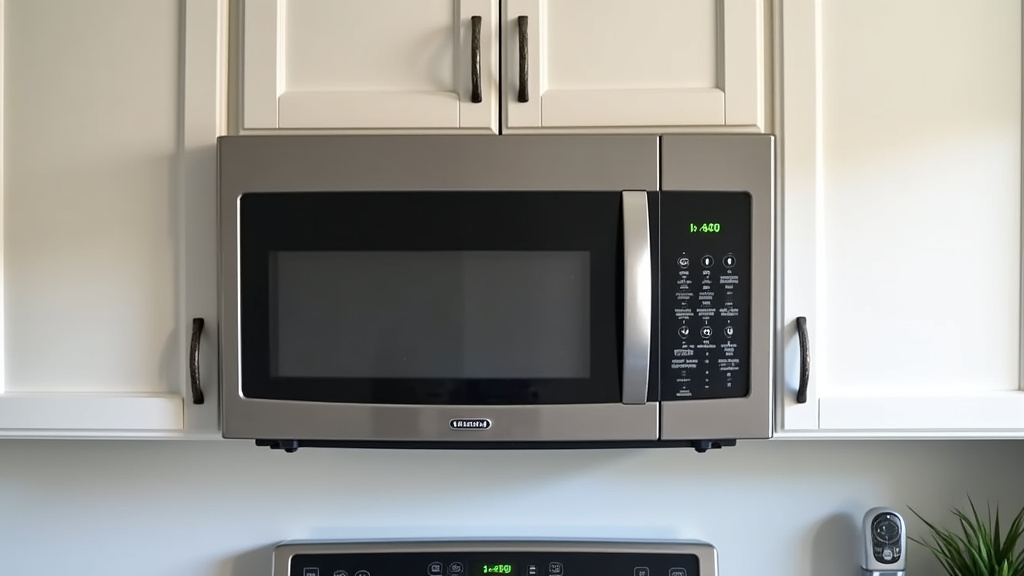
These are designed for standard 30-inch wide cabinet openings. They usually have built-in venting. The cabinet space above them typically needs to be at least 18 inches high to accommodate the microwave’s height and any built-in hood functionality. The width is almost always a 30-inch standard cabinet size.
Here’s a quick table to summarize typical cabinet sizes:
| Appliance Type | Typical Microwave Width | Recommended Cabinet Width | Recommended Cabinet Depth | Required Overhead Clearance |
|---|---|---|---|---|
| Countertop Microwave | 20-24 inches | 2-4 inches wider than microwave (e.g., 24-28 inches) | 12 inches (standard) or 15-18 inches (for recessing) | 2+ inches (more is better) |
| Over-the-Range Microwave | 29-30 inches | Standard 30-inch cabinet opening | Typically 12-15 inches (designed to fit) | Integral to design (often built-in hood) |
Remember, these are general guidelines. Always double-check your appliance specifications. Getting these measurements right means your microwave will function safely and your kitchen will look tidy.
Conclusion
Choosing the right cabinet size above your microwave is all about balancing function and form. You’ve learned that standard dimensions are a great starting point, but always measure your microwave. Remember to prioritize ventilation with at least 2 inches of clearance above the appliance. This ensures your microwave runs efficiently and lasts longer. By considering your kitchen’s overall design and your microwave’s specific needs, you can make an informed decision. Your next step is to grab that tape measure and check your microwave’s dimensions before you shop for cabinets.
Frequently Asked Questions
Can I use a standard 12-inch deep upper cabinet for my microwave?
Yes, you can often use a standard 12-inch deep cabinet. However, your microwave might stick out a few inches, which is usually fine. For a more flush look or to hide cords better, a deeper cabinet (15-18 inches) might be preferred.
What if my microwave is wider than most standard cabinets?
If your microwave is wider than the typical 24 or 30-inch cabinet, you’ll need to find a larger cabinet or consider a custom solution. Ensure you maintain the recommended 2-4 inches of extra width for ventilation and ease of installation.
Do I really need 2 inches of space above my microwave?
Yes, that 2-inch clearance above the microwave is crucial for ventilation. It allows hot air to escape, preventing overheating. Some manufacturers recommend even more, up to 6 inches, especially if the cabinet is fully enclosed.
How do I know if my microwave is built-in or countertop?
Countertop microwaves are designed to sit freely on a counter or shelf. Built-in microwaves are specifically designed to be installed within cabinetry, often with a trim kit to create a seamless look. Check your appliance’s manual or product description.
Can I put a microwave in a corner cabinet?
While possible, corner cabinets can be tricky. You’ll need to ensure there’s adequate depth and width for the microwave, plus the required ventilation space. Accessing controls and cleaning might also be more challenging in a tight corner space.