How Do Over-the-Range Microwaves Vent?
Over-the-range microwaves either exhaust cooking air outdoors through ductwork or recirculate it through filters and back into the kitchen. Check the model's vent options and your kitchen layout before choosing one.
On this page (9 sections)
- How do over-the-range microwaves vent?
- What is the difference between external venting and recirculation?
- How does an over-the-range microwave exhaust air outdoors?
- How does recirculating venting work?
- Which vent route should you choose?
- What should you check before installation?
- Which products fit common microwave ventilation needs?
- How do you tell which vent mode a microwave is using?
- What is the simplest way to plan microwave ventilation?
Over-the-range microwaves vent in one of two ways: they send cooking air outdoors through ductwork, or filter it and return it to the kitchen. The right setup depends on the microwave's supported vent modes and whether your kitchen has a usable exterior duct route.
A microwave over the range with a vent can combine cooking and a fan above the cooktop. Before you choose one, check the duct path, the unit's installation instructions, and how it handles grease and odors.
How do over-the-range microwaves vent?
An over-the-range microwave uses a fan to pull air through an intake, then exhausts it outdoors or sends it back into the room. The two routes are called external venting and recirculating venting.
With external venting, the fan moves air through a duct connected to a wall or roof outlet. With recirculation, air passes through filters and exits through a grille on the microwave.
Some models can be configured for more than one route. That doesn't mean every model supports both, so check its installation instructions before planning cabinets or ductwork.
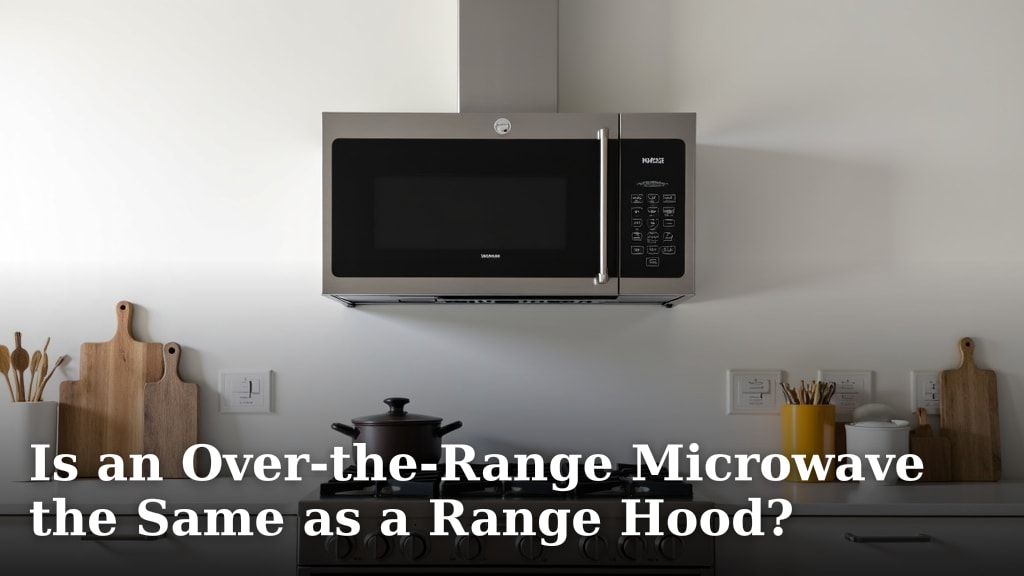
An over-the-range microwave is also a kind of cooking-area exhaust appliance, but its fan and setup may differ from a dedicated hood. See Is an Over-the-Range Microwave the Same as a Range Hood? for how their roles compare.
What is the difference between external venting and recirculation?
External venting carries air out of the home; recirculation filters air and returns it to the kitchen. That difference affects what the fan can remove from the cooking area.
| Vent route | Where the air goes | What to check |
|---|---|---|
| External exhaust | Through ductwork to an outdoor wall or roof outlet | Duct path, outlet, connections, and permitted duct size |
| Recirculating | Through filters and back into the kitchen | Filter type, filter access, and replacement instructions |
An exterior route can carry cooking moisture and odors outside when the system is installed correctly. Recirculation avoids adding or connecting an outdoor duct, but it returns air to the room after filtering.
Neither setup makes a poor fit disappear. A duct with unnecessary bends or an incorrect connection can interfere with airflow, while a recirculating setup depends on the right filters and regular care.
How does an over-the-range microwave exhaust air outdoors?
An exterior vent route connects the microwave's exhaust opening to ductwork that ends outdoors. The duct may run through an exterior wall or upward through a cabinet and roof, depending on the kitchen and installation instructions.
The microwave's outlet and the duct route need to match. Some installations require a transition piece or a change in the blower's direction, and the instructions explain which configurations the model supports.
Before buying, trace the planned path from the microwave to the outside. Check for obstacles such as framing, cabinets, joists, and existing pipes, and confirm that the outlet can be installed where the manual allows.
Can the microwave vent through the wall?
Yes, if the microwave supports a rear exhaust and the wall route can connect to an outdoor outlet. The duct needs a direct, compatible path through the wall.
A straight route is often simpler to plan than a long run with bends. Don't cut through a wall or alter an existing duct based only on a picture or a general guide; use the appliance instructions and local building requirements.
Can the microwave vent through the roof?
Yes, some installations run the duct upward through a cabinet and out through the roof. The microwave must support that vent direction, and the duct needs to connect correctly along the full route.
Check the planned route from the cabinet to the roof before installation. A cabinet opening alone doesn't make a complete exhaust path; air must reach a suitable exterior outlet.
How does recirculating venting work?
A recirculating microwave draws air through filters and returns it through a grille into the kitchen. It does not need a duct to an outdoor wall or roof.
The grease filter catches grease particles from cooking air. A charcoal filter can help reduce odors, but it needs care or replacement as directed for the specific model.
Recirculation can fit a kitchen where an outdoor duct route isn't practical. It still returns air to the room, so it does not carry cooking moisture outdoors.
If your microwave uses a charcoal filter, check that it's the right type for the model and that you can access it. Our guide to best GE microwave grease filters can help if you're replacing a GE grease filter.
Which vent route should you choose?
Choose external exhaust when you have a practical, approved duct route outdoors; choose recirculation when you don't. Match the decision to the model's supported setup and your kitchen, rather than assuming every over-the-range microwave vents the same way.
Before you decide, check:
- Whether the model supports external venting, recirculation, or both.
- Where a duct can run and exit outdoors.
- The duct connection and vent direction described in the installation manual.
- Which filters the model uses and how to maintain them.
- Whether installation requires cabinet or wall changes.
A microwave with a stronger fan rating may suit a reader comparing airflow, but the number alone doesn't confirm that the duct route is suitable. See our best 400 CFM microwave guide for models with that fan rating.
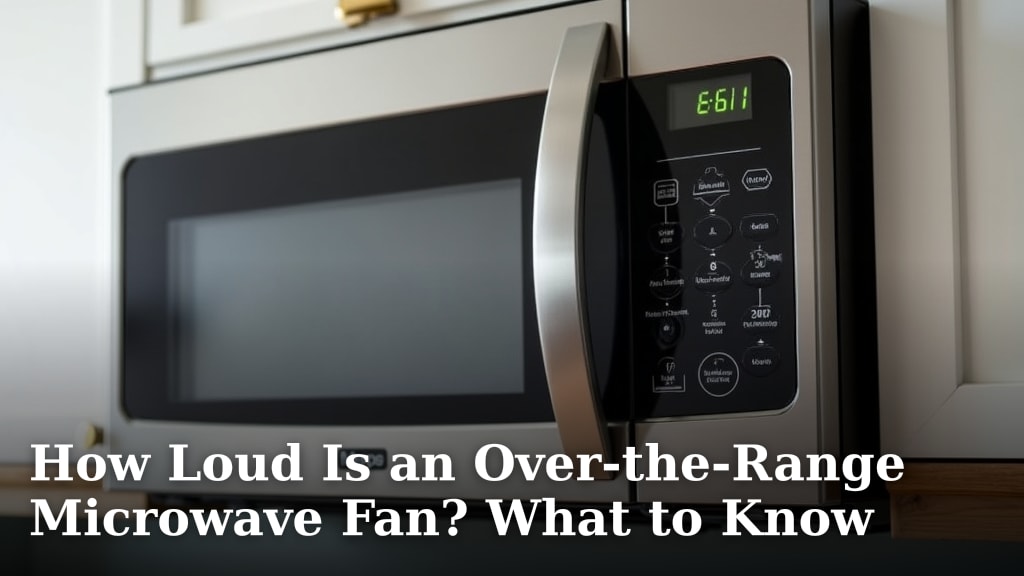
The fan also adds sound while it's running.
If noise matters in an open kitchen, read How Loud Is an Over-the-Range Microwave Fan? What to Know.
What should you check before installation?
Read the microwave's installation manual and measure the space before ordering or cutting an opening. Confirm the cabinet dimensions, mounting area, outlet location, vent configuration, and duct route.
If you already have ductwork, check that it runs outdoors and that its location can connect to the microwave's exhaust. A grille that simply opens into a cabinet or wall cavity isn't an outdoor exhaust outlet.
If you don't have a usable duct route, check whether the microwave supports recirculation and which filters it requires. Consider professional installation if the work involves cutting cabinets or walls, changing electrical connections, or routing ductwork.
Need a different mounting arrangement? Compare an over-the-range microwave without a cabinet before settling on a layout.
If you want a microwave away from the cooktop, built-in microwave venting explains how that setup differs.
Which products fit common microwave ventilation needs?
Pick a product whose installation type and vent features fit the kitchen you're planning. The BLACK+DECKER and GE models are over-the-range options; the Chefman is a countertop microwave, so it doesn't replace a cooktop vent.
The BLACK+DECKER Over the Range Microwave Oven has a two-speed, 400 CFM venting fan system and cooktop LED lighting. Check its installation instructions to confirm whether its supported vent route matches your kitchen.
The GE 30" Over-the-Range Microwave 1.6 Cu. Ft. has a two-speed, 300 CFM ventilation system and a replaceable charcoal filter.
Its charcoal filter supports odor reduction in a recirculating setup, according to the product details.
The Chefman Countertop Microwave Oven 0.7 Cu. Ft. is a countertop microwave, not an over-the-range unit.
It may suit a kitchen where you want microwave cooking on the counter and plan ventilation separately.
For a smaller over-the-range size, see what a compact over-the-range microwave is. If you'd rather place the microwave in a drawer or cabinet, compare a microwave drawer vs built-in microwave.
How do you tell which vent mode a microwave is using?
Check the exhaust outlet and follow the airflow path to its endpoint. A duct that reaches an outdoor wall or roof indicates exterior exhaust; air returning through a grille into the kitchen indicates recirculation.
The installation manual should identify the microwave's supported vent configurations and explain how to set up the blower and filters. If you can't tell where a duct ends, don't assume it's exhausting outdoors.
A microwave with filters can still use an exterior duct, depending on its design and setup. Confirm the installed configuration in the manual, especially if you're moving into a home where the route is hidden.
What is the simplest way to plan microwave ventilation?
For an over-the-range microwave with a vent, choose the vent mode first, then confirm the model and kitchen can support it. Use exterior exhaust when there is a compatible duct route outdoors; use recirculation when the model supports it and an outdoor route isn't feasible.
Check the duct endpoint, fan setup, filter needs, and installation instructions before making cabinet or wall changes. If the layout calls for the microwave somewhere else, compare a microwave drawer vs a built-in microwave to see which arrangement fits your kitchen.
Frequently asked questions
Do all over-the-range microwaves vent outside?
No. Some over-the-range microwaves can exhaust through ductwork to the outdoors, while others recirculate air through filters and return it to the room.
Some models support either setup with the right configuration.
Check the installation instructions and your home's duct route before choosing a model.
Does a recirculating microwave remove smoke?
A recirculating microwave draws air through filters and returns it to the kitchen. A charcoal filter can reduce odors, but recirculation does not send moisture and cooking air outdoors.
Check the filter type, replacement guidance, and instructions for the model you're considering.
Can an over-the-range microwave vent through a cabinet?
A cabinet can conceal a duct route, but the exhaust needs a path that leads outdoors. The microwave must connect to the duct in an approved direction, with compatible duct dimensions and a properly fitted transition.
Follow the installation manual and local requirements.
How do I know whether my microwave is vented outside?
Check where the microwave's exhaust duct ends. A duct that runs through a wall or up through the cabinet and roof to the outdoors is an exterior exhaust route.
If air exits back into the kitchen through a grille, the unit is recirculating; consult the manual to confirm.