How to Cook Over-Easy Eggs in a Microwave
You can make a microwave over-easy egg by piercing the yolk, covering the egg, and heating it in short bursts. Microwaves don't flip eggs like a pan does, so the yolk stays intact while you adjust its doneness.
On this page (10 sections)
- How do you microwave an over-easy egg?
- What makes a microwave egg over easy?
- How can you adjust the yolk from runny to firm?
- Why should you pierce and cover the egg?
- What dish and microwave settings work best?
- What common mistakes make microwave eggs rubbery or messy?
- How do you clean the dish after cooking?
- How do microwave egg methods compare?
- What else can you cook with eggs in the microwave?
- What should you remember when microwaving eggs over easy?
You can make an over-easy egg in a microwave by piercing the yolk, covering the egg, and heating it in short bursts until the white sets. A microwave won't flip the egg like a skillet, so you control the yolk by adjusting the cooking time.
Use a shallow microwave-safe dish and avoid long uninterrupted heating. The egg may continue cooking as it stands, so pause before adding more time.
How do you microwave an over-easy egg?
Crack the egg into a lightly greased microwave-safe dish, pierce the yolk, cover loosely, and heat in short bursts. Start with about 30 seconds, then check the white and continue in 10-second intervals as needed.
- Choose a shallow microwave-safe dish that gives the egg room to spread.
- Lightly grease the bottom so the egg is easier to lift out.
- Crack in the egg and pierce the yolk membrane once or twice.
- Cover the dish loosely with a microwave-safe cover.
- Heat for about 30 seconds, then check the white.
- Continue in short bursts until the white is set to your liking.
- Let the egg stand briefly before serving.
Microwave power and dish shape change the timing. Stay nearby and stop heating if the egg starts to pop or the cover shifts.
For more basics, see how to cook an egg in a microwave. If you want a dedicated container, our guide explains how to use a microwave egg cooker.
What makes a microwave egg over easy?
An over-easy egg has a set white and a soft yolk. In a microwave, you can aim for that texture, but you can't turn the egg over during cooking as you would in a pan.
The yolk's position and the microwave's heating pattern affect the result. Use a wide, shallow dish and check the egg often so you can stop once the white is set.
How does a microwave over-easy egg differ from a fried egg?
A pan-fried over-easy egg is briefly flipped, which cooks the top while leaving the yolk soft. A microwave egg stays in one position, so its top and bottom heat differently.
Think of “over easy” as the target texture rather than a literal cooking method. If you want a more set yolk, add a few seconds at a time.
How can you adjust the yolk from runny to firm?
Use shorter or longer heating bursts to control the yolk. For a runny center, stop as soon as the white is set; for a firmer center, add 5- to 10-second bursts.
Let the egg stand for about 30 seconds before judging it. Carryover heat can firm the yolk after the microwave stops.
If you want a texture between runny and firm, use the same method and stop midway. This is also how to microwave over-medium eggs: cook slightly longer than you would for a soft yolk, checking each time.
Why should you pierce and cover the egg?
Pierce the yolk before cooking and cover the dish loosely to reduce splatter. Steam can build beneath an unbroken yolk membrane, and a cover helps contain mess while still allowing steam to escape.
Use a microwave-safe plate or vented cover. Don't seal the dish tightly, and don't microwave an egg in its shell.
Keep your face and hands clear when uncovering the dish. Steam and hot dishes can burn, even when the egg looks small.
What dish and microwave settings work best?
A shallow, microwave-safe dish and medium power give you more control. A smaller dish keeps the egg together, while a little space around it helps prevent overflow.
A lower power setting may heat the egg more gently, though it can take longer. If your microwave has no power adjustment, rely on short bursts and frequent checks.
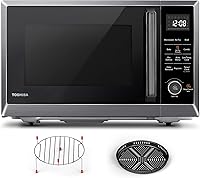
The GE 30" Over-the-Range Microwave has 10 power levels, which can help you choose a gentler setting for eggs. For above-range convection options, compare over-the-range convection microwaves.
Use the cooking time as a starting point, not a guarantee. Eggs vary in size and temperature, and microwave wattage differs across models.
What common mistakes make microwave eggs rubbery or messy?
Long cooking bursts, an unpierced yolk, and a tightly sealed cover are common causes of trouble. Short intervals give you more chances to stop before the egg turns tough or pops.
Avoid cooking the egg without a cover if splatter is a concern. Don't use metal dishes or utensils in the microwave.
If the egg is still underdone, add a few seconds rather than restarting a long cycle. A brief stand after heating helps the texture settle.
How do you clean the dish after cooking?
Soak the dish promptly and wipe away residue after it loosens. Dried egg can cling to the dish, so cleaning while it is still warm can make the job easier.
HOPE'S Perfect Kitchen Cleaner Spray is described for surfaces including microwaves and stoves, and its formula is made for no additional rinsing on surfaces. Follow the cleaner's directions and keep it off food and cookware.
Never spray cleaner into a running microwave or onto a hot interior. Remove the dish and let the appliance cool before cleaning.
How do microwave egg methods compare?
Use a shallow dish for an over-easy-style egg, a cooker for a contained shape, and a bowl for scrambled eggs. The method should match the texture you want.
For scrambled eggs, beat the egg before heating and stir during cooking. See how to microwave eggs scrambled for that approach.
For a poached-style egg, water helps form a different texture. Our instructions cover how to microwave eggs poached.
What else can you cook with eggs in the microwave?
Microwave bacon separately if you want a crisp side for your egg. Keeping the bacon on its own plate makes it easier to manage cooking times and avoid overcooking the egg while waiting for the bacon.
Follow the steps in how to microwave bacon crispy. Use a microwave-safe plate and check the bacon in short intervals.
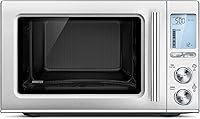
If you're comparing cooking and ventilation features for a kitchen upgrade, see our Breville Smooth Wave microwave reviews guide. Readers planning a different installation can also review over-the-range microwaves without a cabinet and what a compact over-the-range microwave is.
What should you remember when microwaving eggs over easy?
For a microwave over-easy egg, pierce the yolk, cover loosely, and cook in short bursts. Stop when the white sets, then let the egg stand before deciding whether the yolk needs more heat.
Choose a shallow dish when you want an egg that spreads like a fried egg. Use an egg cooker for a more contained shape, or switch to scrambled or poached instructions for those textures.
Frequently asked questions
Can you microwave an egg over easy?
Yes, you can microwave an egg in a shallow microwave-safe dish, but it won't be flipped like a pan-fried egg. Pierce the yolk, cover the dish loosely, and cook in short bursts until the white is set and the yolk reaches the doneness you prefer.
How long does it take to microwave an over-easy egg?
Start with about 30 seconds, then continue in 10-second bursts until the white is set. Microwave power, egg temperature, dish shape, and the yolk's starting position all affect timing, so check the egg between bursts and let it stand briefly before serving.
Should you pierce an egg yolk before microwaving?
Yes. Pierce the yolk membrane with a fork or toothpick before heating so steam can escape.
Keep the dish covered loosely to limit splatter, and never microwave an egg in its shell.
How do you make a microwave egg yolk less runny?
Continue heating the egg in 5- to 10-second bursts, checking after each one. The yolk cooks quickly once the white sets, so use short intervals and allow a brief standing time before deciding whether it needs more heat.